Search every volume:
Volumes
-
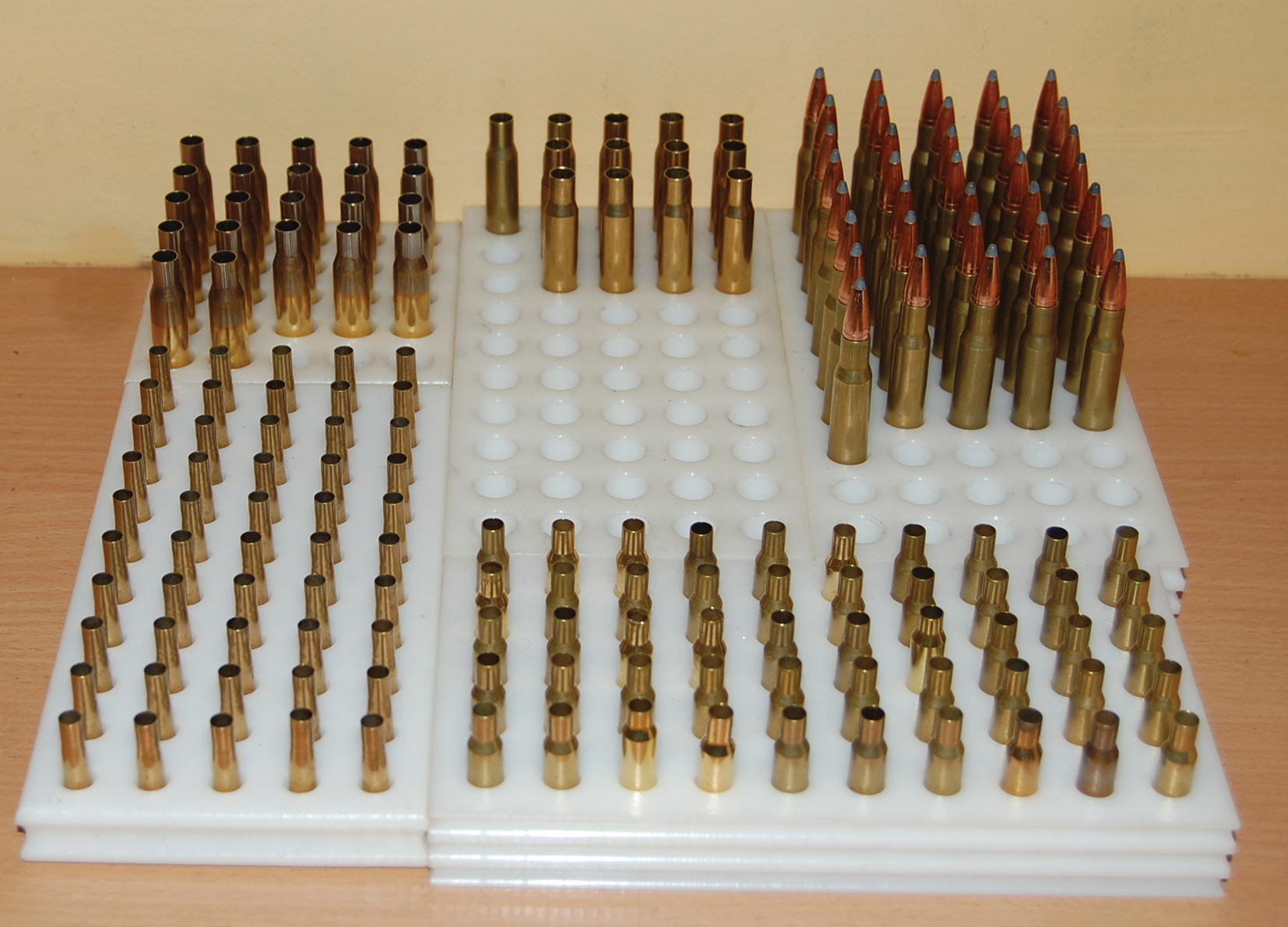 Vol 1 Overview — Why Handload, and What This Dive Decides Two machines, eight chamberings, and the corrections that make this worth reading
 -
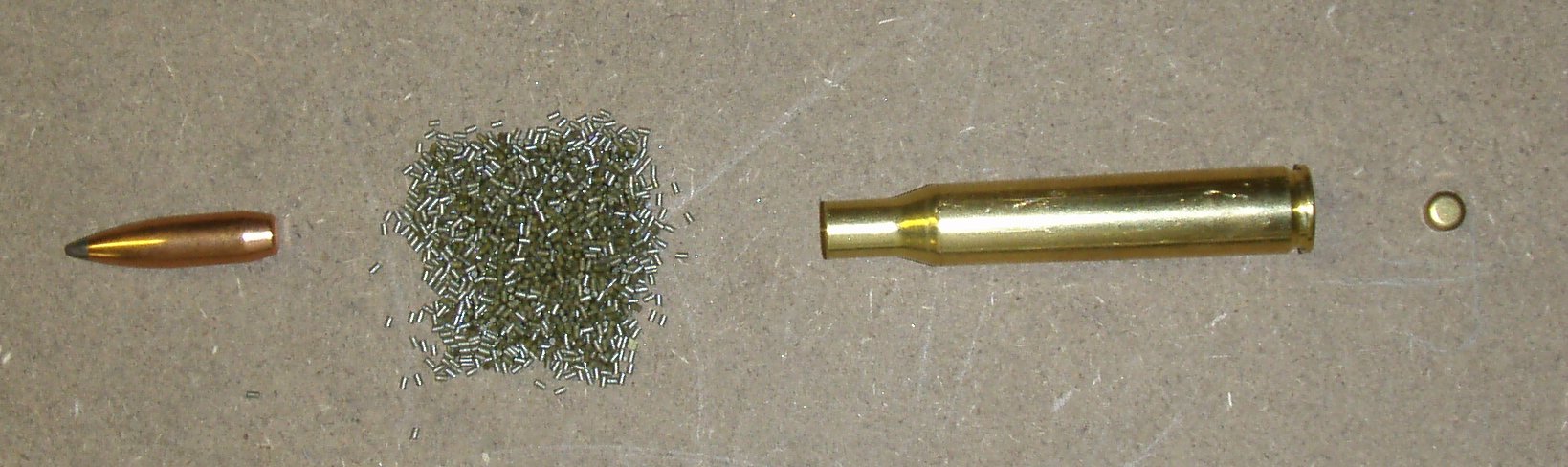 Vol 2 The Cartridge as a Manufactured Object Four components, one of which survives firing — and why that one decides everything else
 -
 Vol 3 The Bench Itself — Layout, Ergonomics and Safety Discipline Mounting a machine that multiplies force, and the process rules that stop a double charge
 - Vol 4 Storing Components — Powder, Primers, Brass and Loaded Ammunition Three components, three different hazards, and two containers that must be built in opposite directions
-
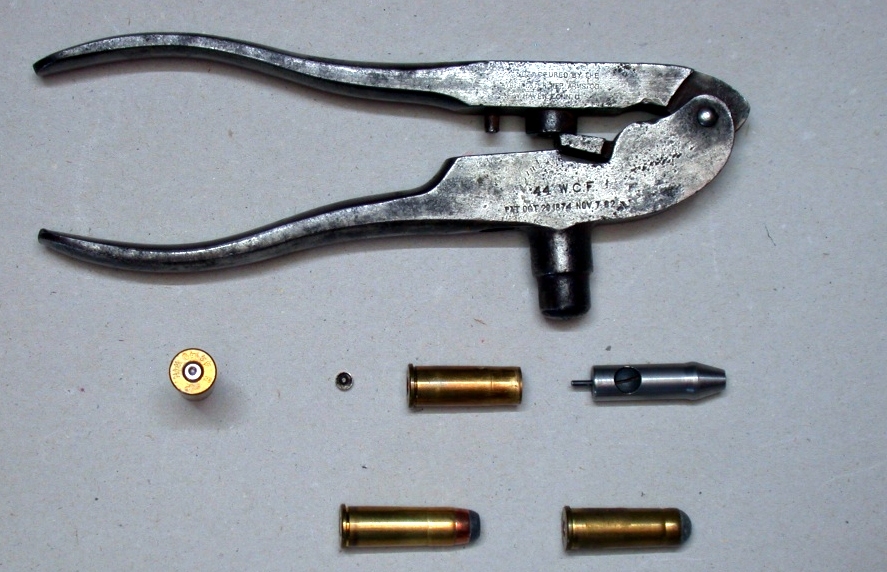 Vol 5 Presses I — Single-Stage and Turret Frame geometry, linkage and priming decide more than the badge does — and then the machines that use them
 -
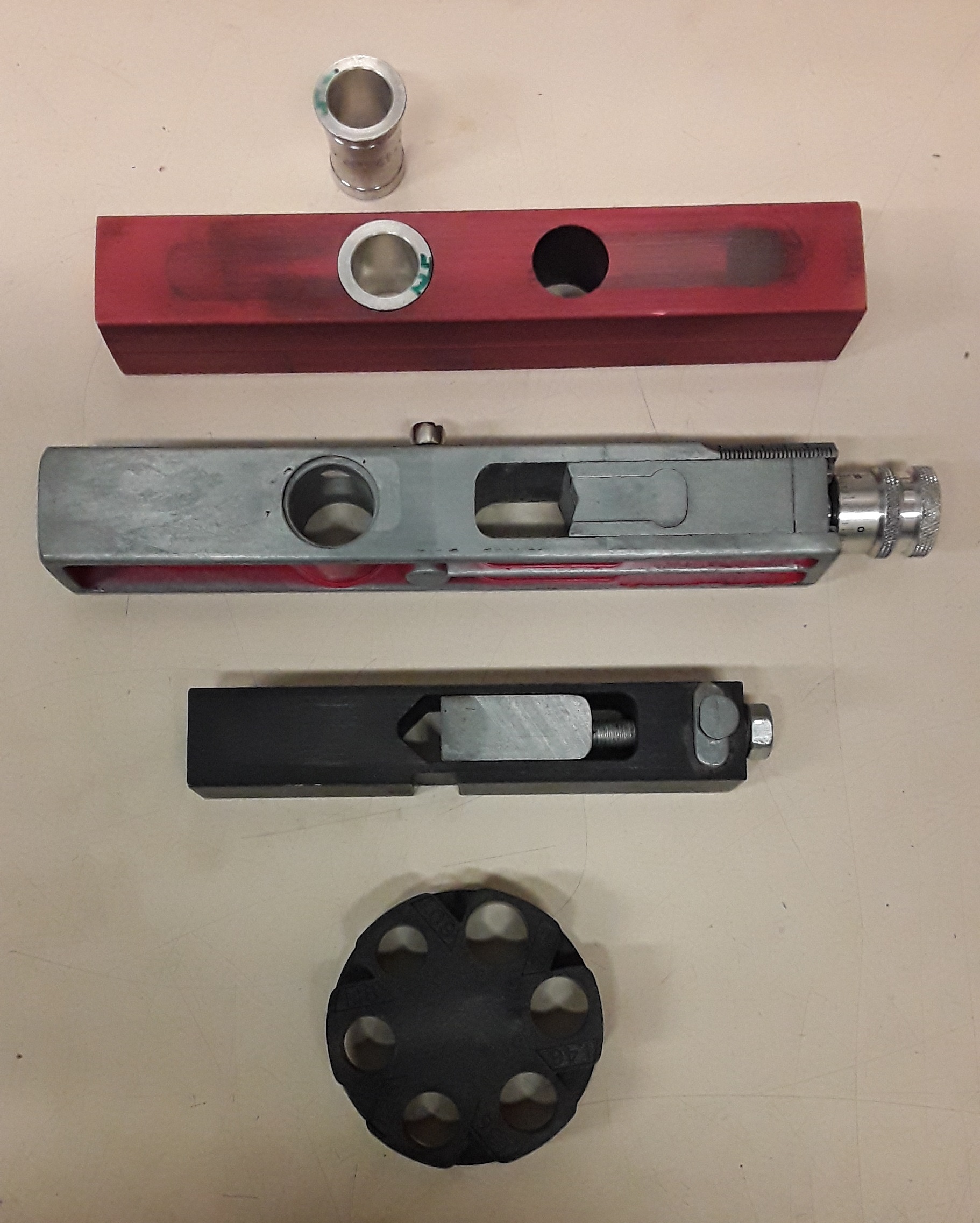 Vol 6 Presses II — Progressives Stations, indexing, priming and case feed — and why a rated throughput figure is a sprint with the consumables pre-loaded
 -
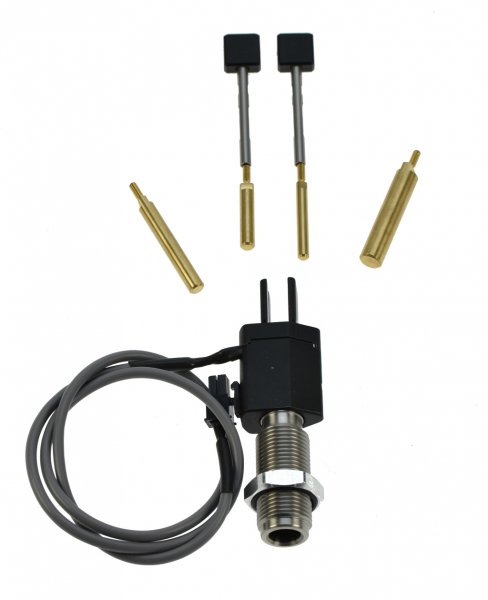 Vol 7 Presses III — Automation and the Robotized Bench A motor removes the handle pull and nothing else — and a machine that can make a mistake three thousand times an hour needs sensing a hand-cranked press does not
 -
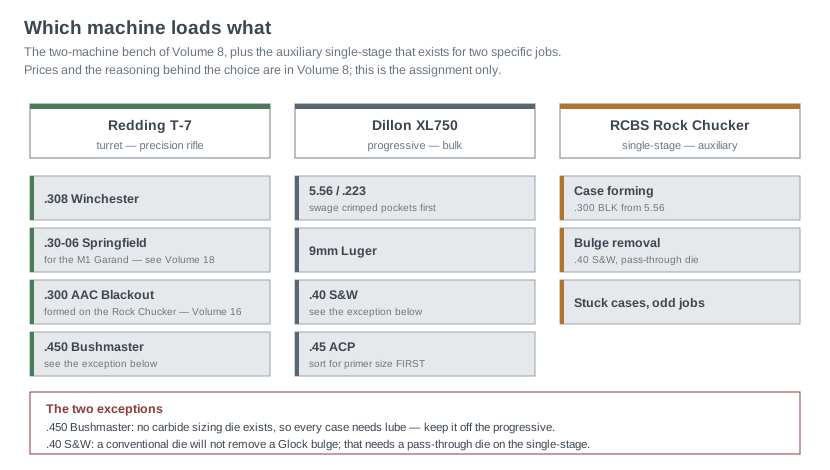 Vol 8 Choosing — The Verdict, Starting Out and Coming Back What changed while you were away, the warranty boundary nobody mentions, and what this particular bench should be
 -
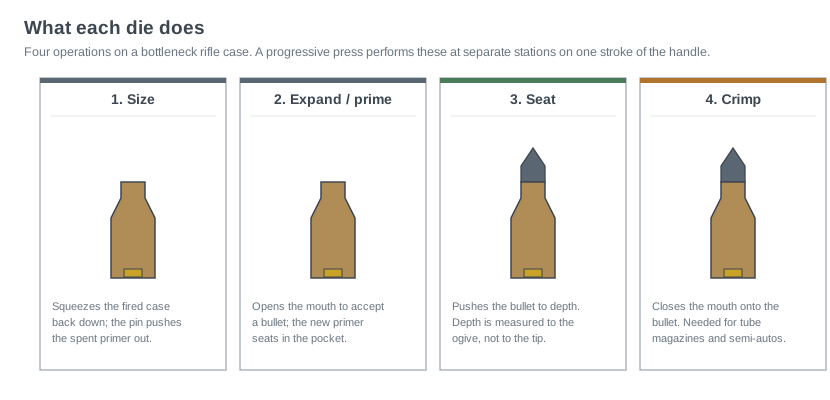 Vol 9 Dies, Shellholders and Toolheads Choosing the tooling that actually touches the case, and the small parts that quietly move a setting
 -
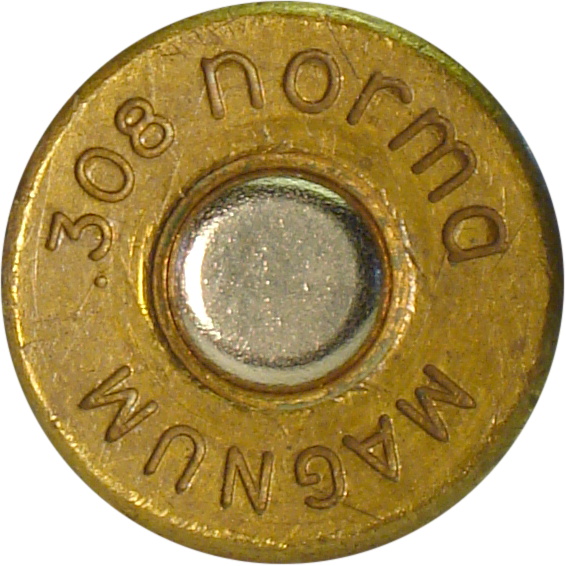 Vol 10 Picking Up Brass — Sourcing, Sorting, and What to Reject The component that is not consumed has to come from somewhere, and most of it arrives unqualified
 -
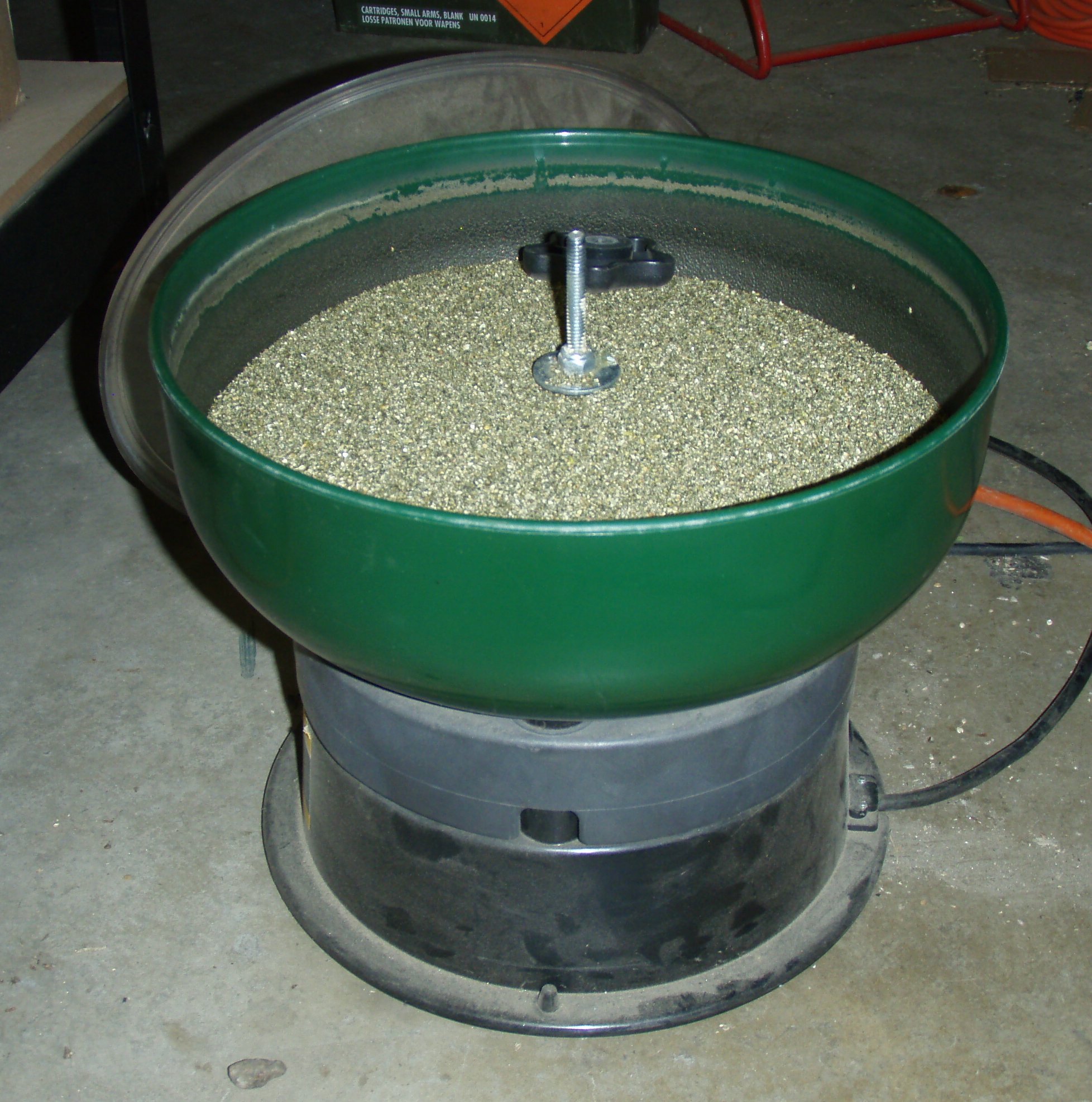 Vol 11 Cleaning and Polishing Three functional requirements, one cosmetic one, and the folklore that grew up around the difference
 -
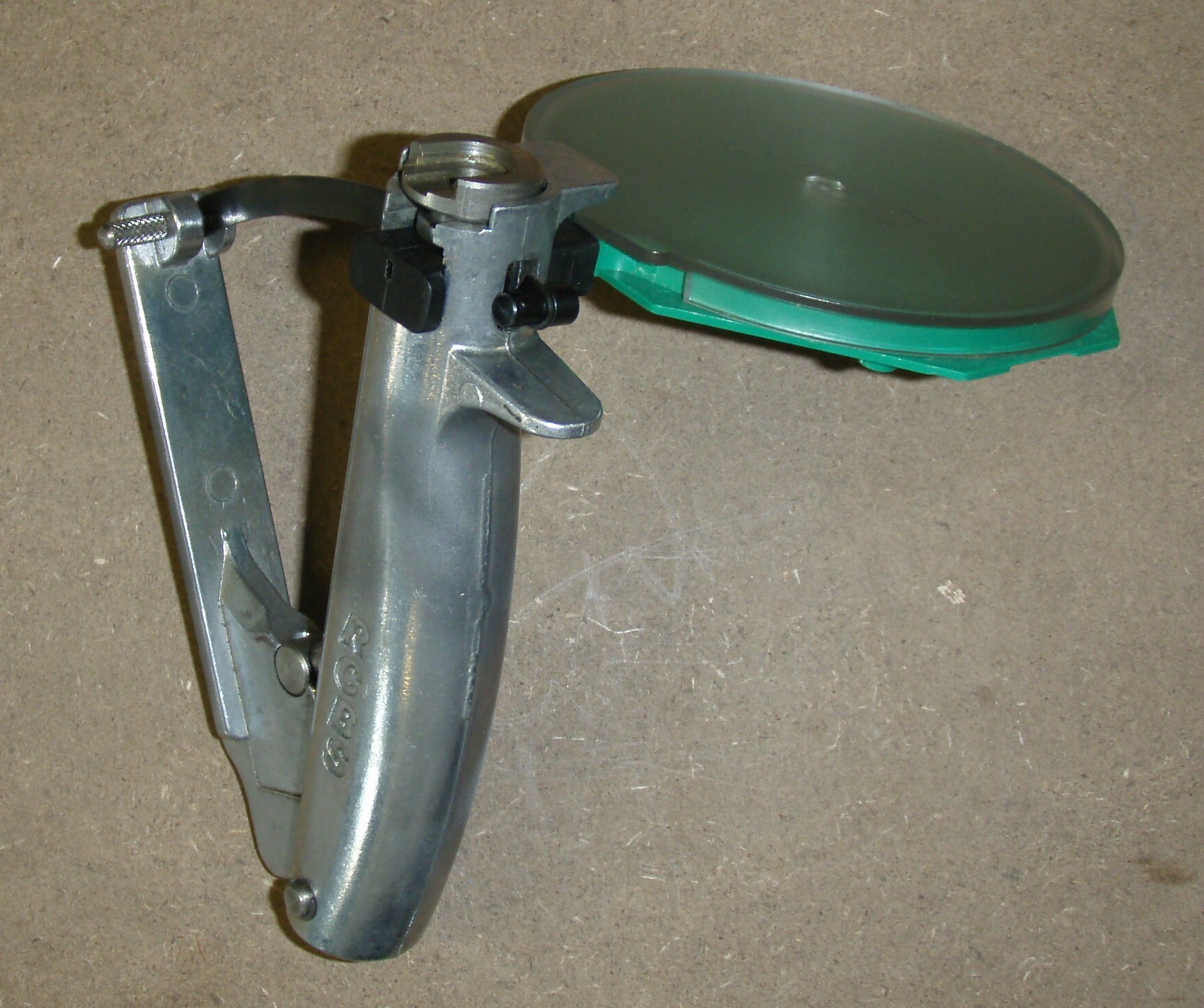 Vol 12 Case Prep — Deprime, Lube, Size, Swage, Uniform The mechanical sequence, in the order the operations actually have to happen
 -
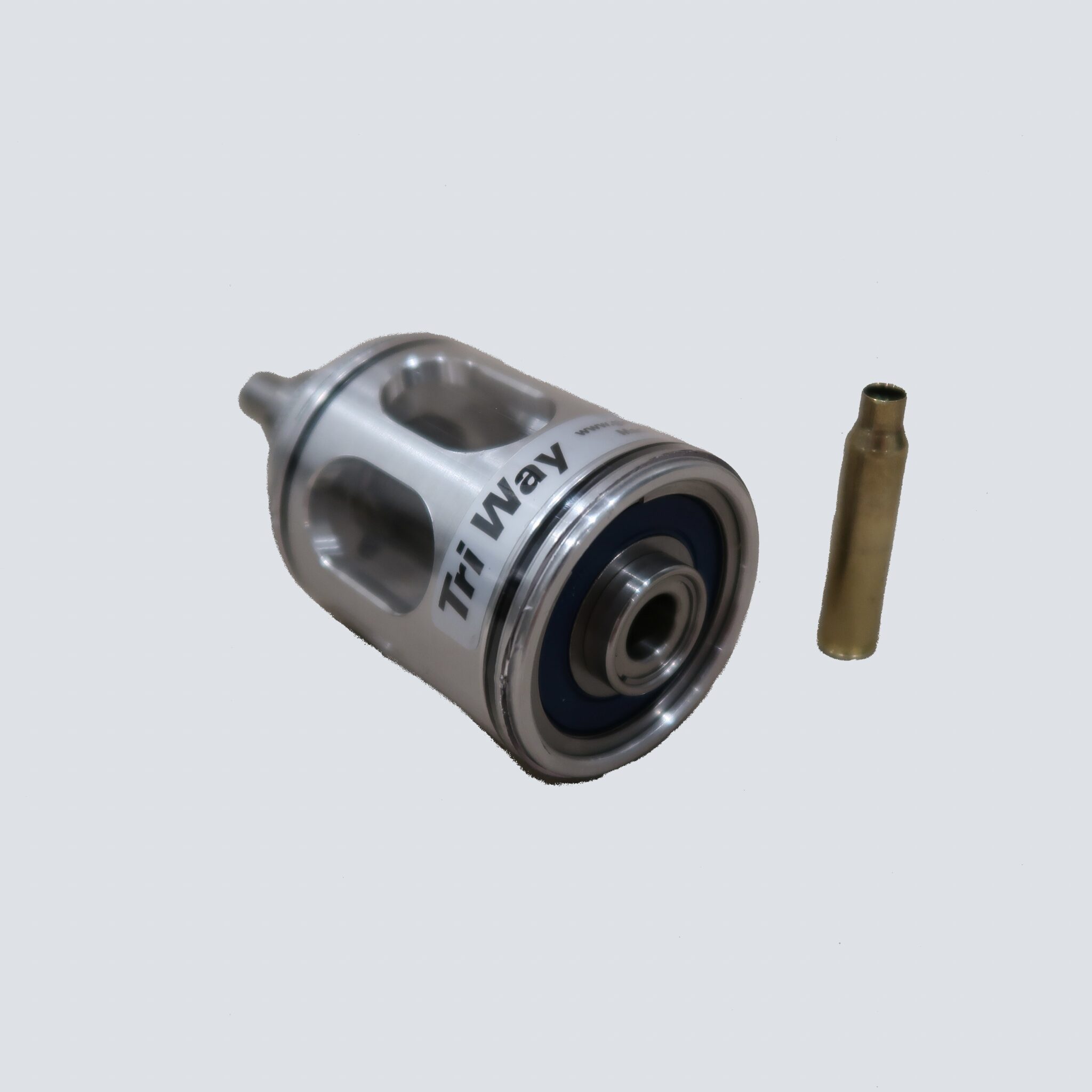 Vol 13 Trimming and the Length Question What the tool indexes from, how fast it really is, and which of these chamberings needs it every cycle
 -
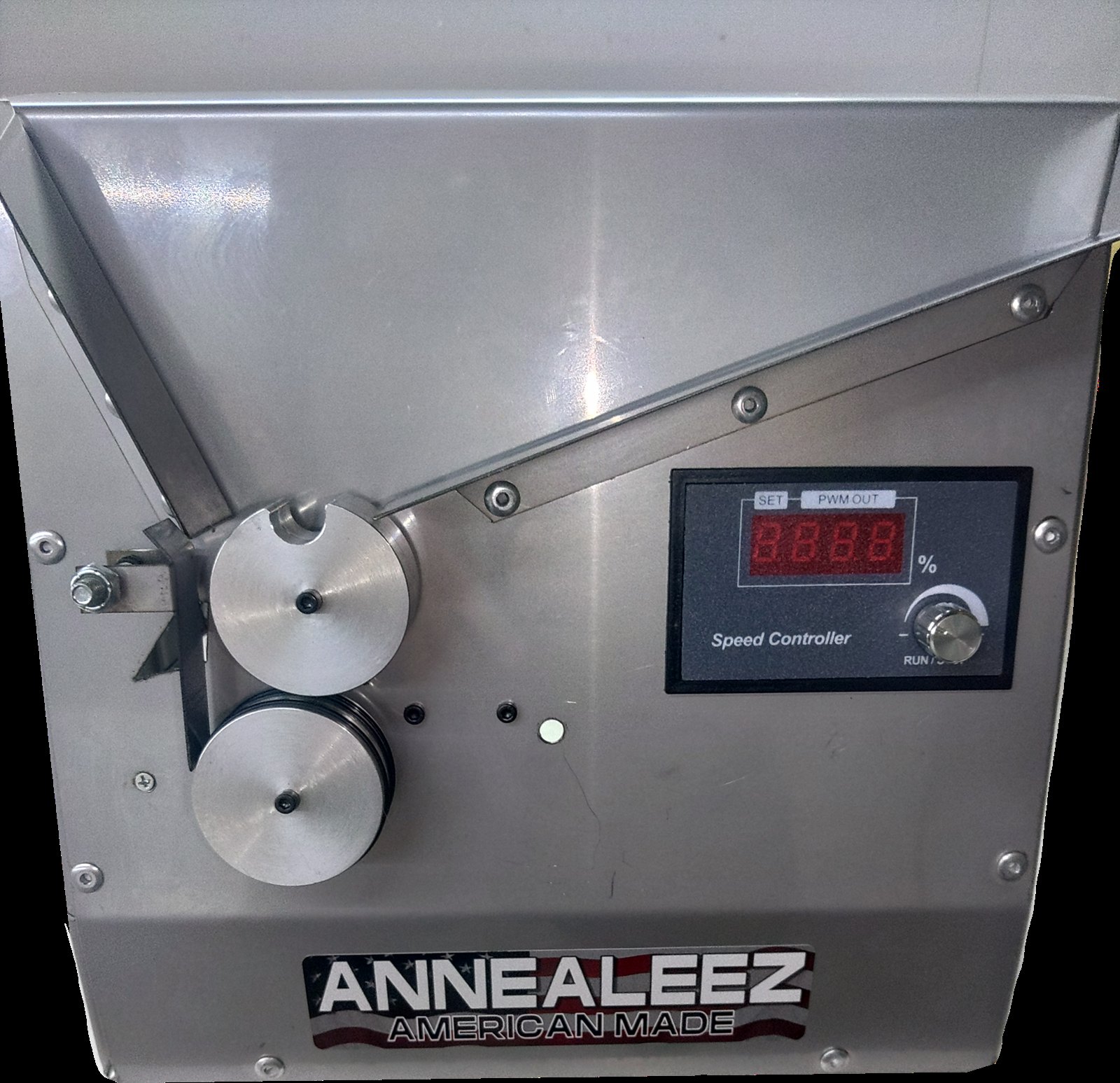 Vol 14 Annealing — The Metallurgy, and Whether It Is Worth It Why a temperature with no dwell time is not a specification, and why softening the head is a different class of error from softening the neck
 - Vol 15 Case Life — Culling, Batch Discipline and When to Retire Brass Tracking firings at batch level, culling at quantity, and why a pressure sign is a stop signal and never a green light
-
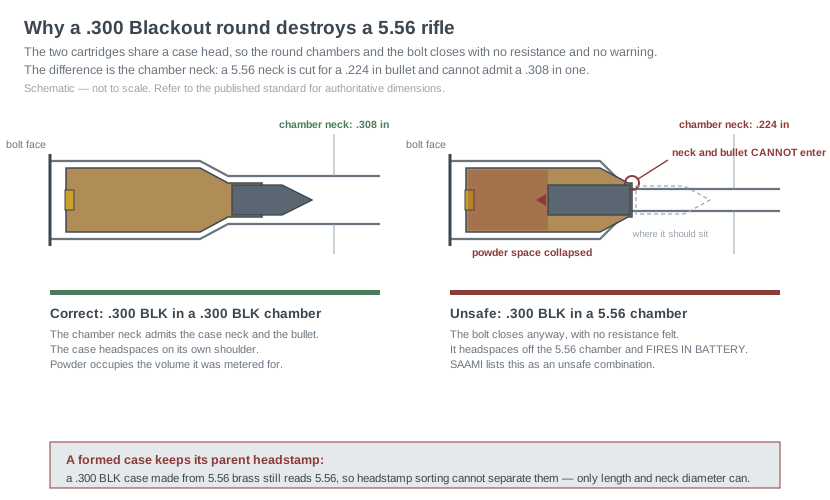 Vol 16 Case Forming — Making Brass Nobody Sells .300 Blackout from 5.56 as the worked example, and the chambering hazard that comes with it
 -
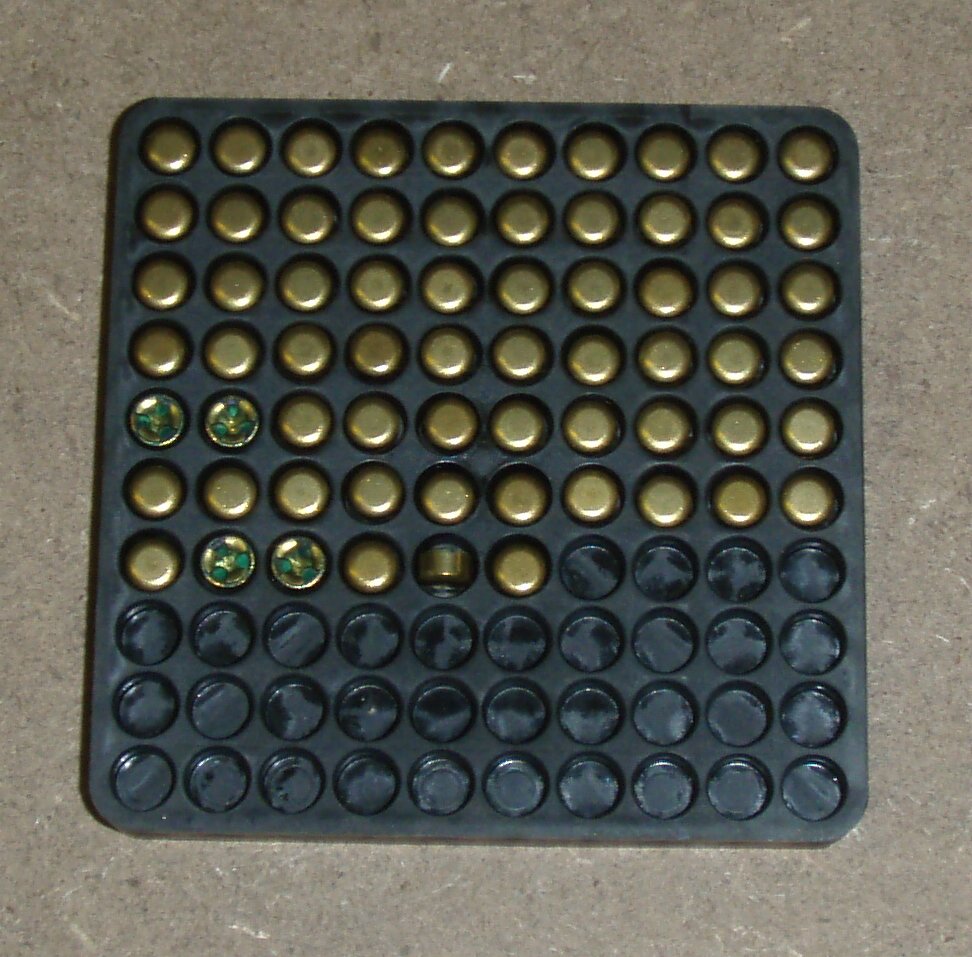 Vol 17 Primers and Priming Four parts in a cup a few thousandths thick, the crush nobody measures, and the one component on the bench that propagates
 -
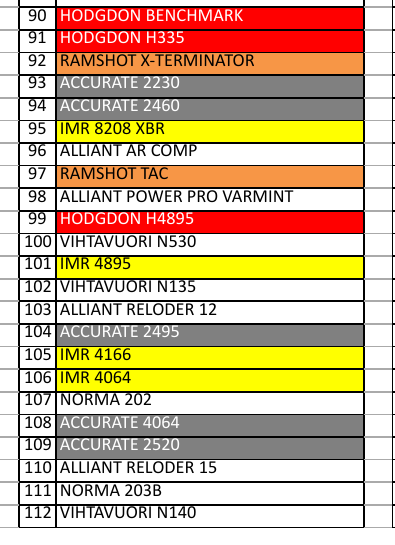 Vol 18 Powder — Classes, Burn Rate, Metering, Shelf Life Why the grain's shape decides which measuring tool can work at all, and why a burn-rate chart is a search index rather than load data
 -
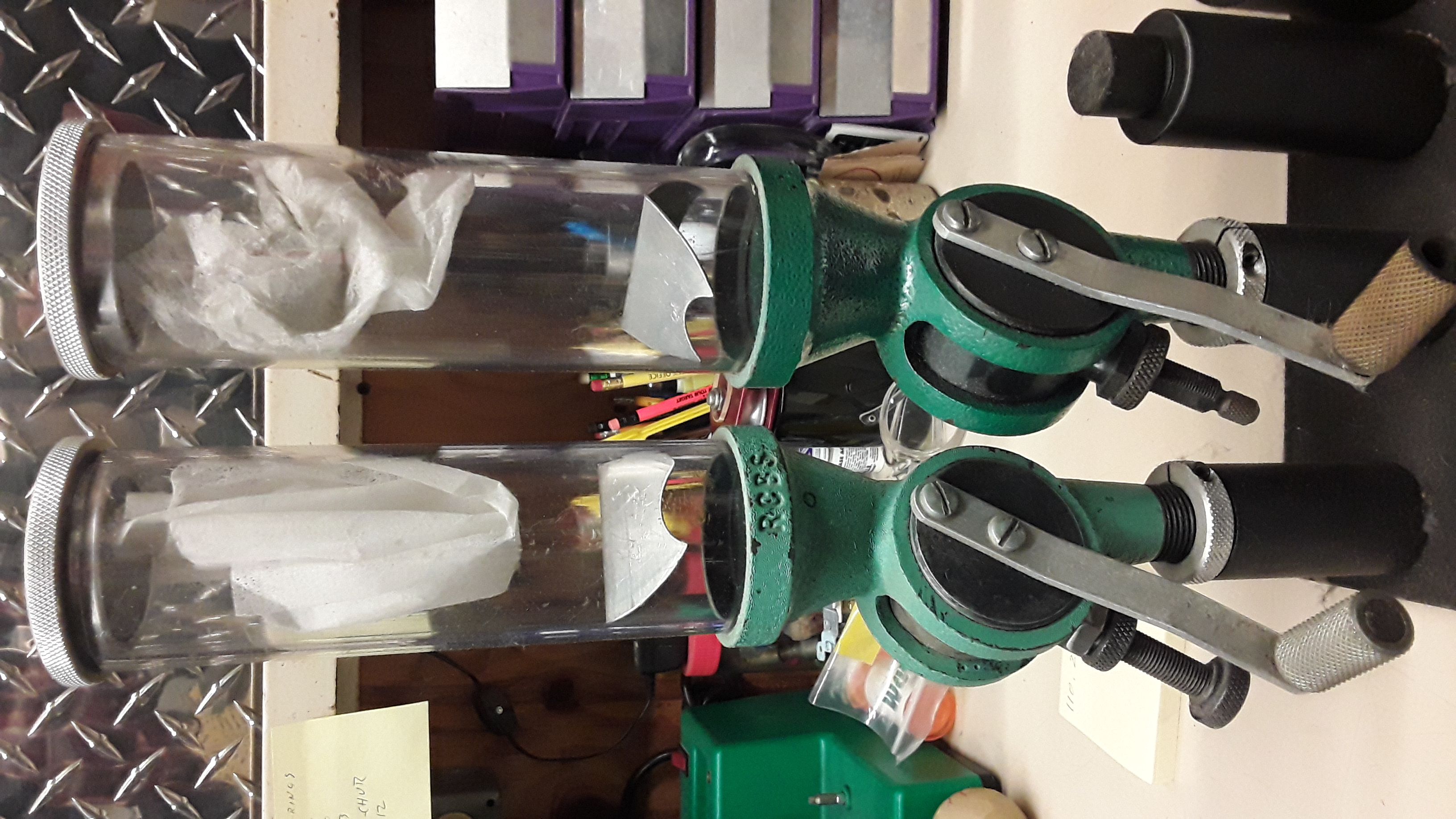 Vol 19 Weighing the Charge Resolution, repeatability and accuracy are three different claims — and the effect being chased sits at or below the noise floor of the instruments used to detect it
 -
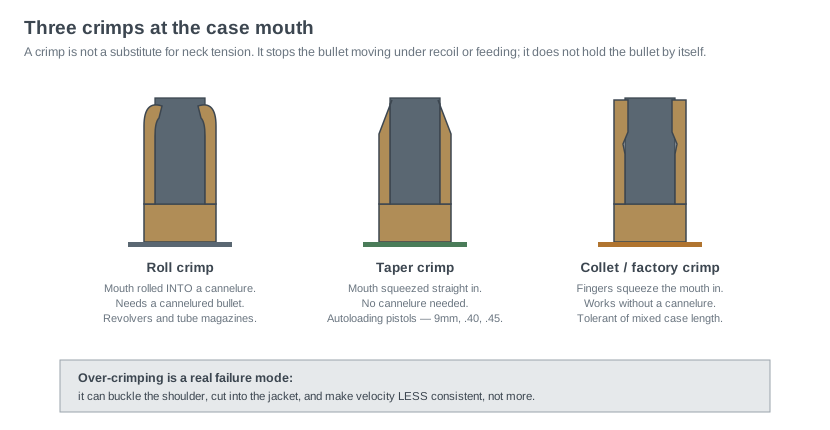 Vol 20 Bullets and Seating — Ogive, CBTO, Jump and Crimp Why depth is measured to a curve rather than to the point, and when a crimp is genuinely required
 - Vol 21 Load Development — Method, Not Recipes Working up safely, and the honest reason most published load-development methods cannot do what they claim
- Vol 22 Measuring the Result — Chronographs and the Statistics of Groups What the instruments can actually resolve, and why a three-shot group tells you almost nothing
- Vol 23 Closing the Loop — Range Results Into the Next Batch The record that makes a batch an experiment instead of an afternoon
- Vol 24 Cheatsheet — Laminate-Ready The whole dive on one page, with the numbers that are real and the ones that are not