Search every volume:
?
How to search
sten gun- pages with both words
"sten gun"- the words together, as a phrase
sten OR sterling- either one (
|works too) sten -replica- leave out pages that mention “replica”
Without quotes, the last word also matches longer words that start with it (sten finds Stenophylla), and close word forms count (rifle finds rifles). Tick Exact words to match whole words only.
Whole deep dives are listed first, then the pages inside them.
Volumes
-
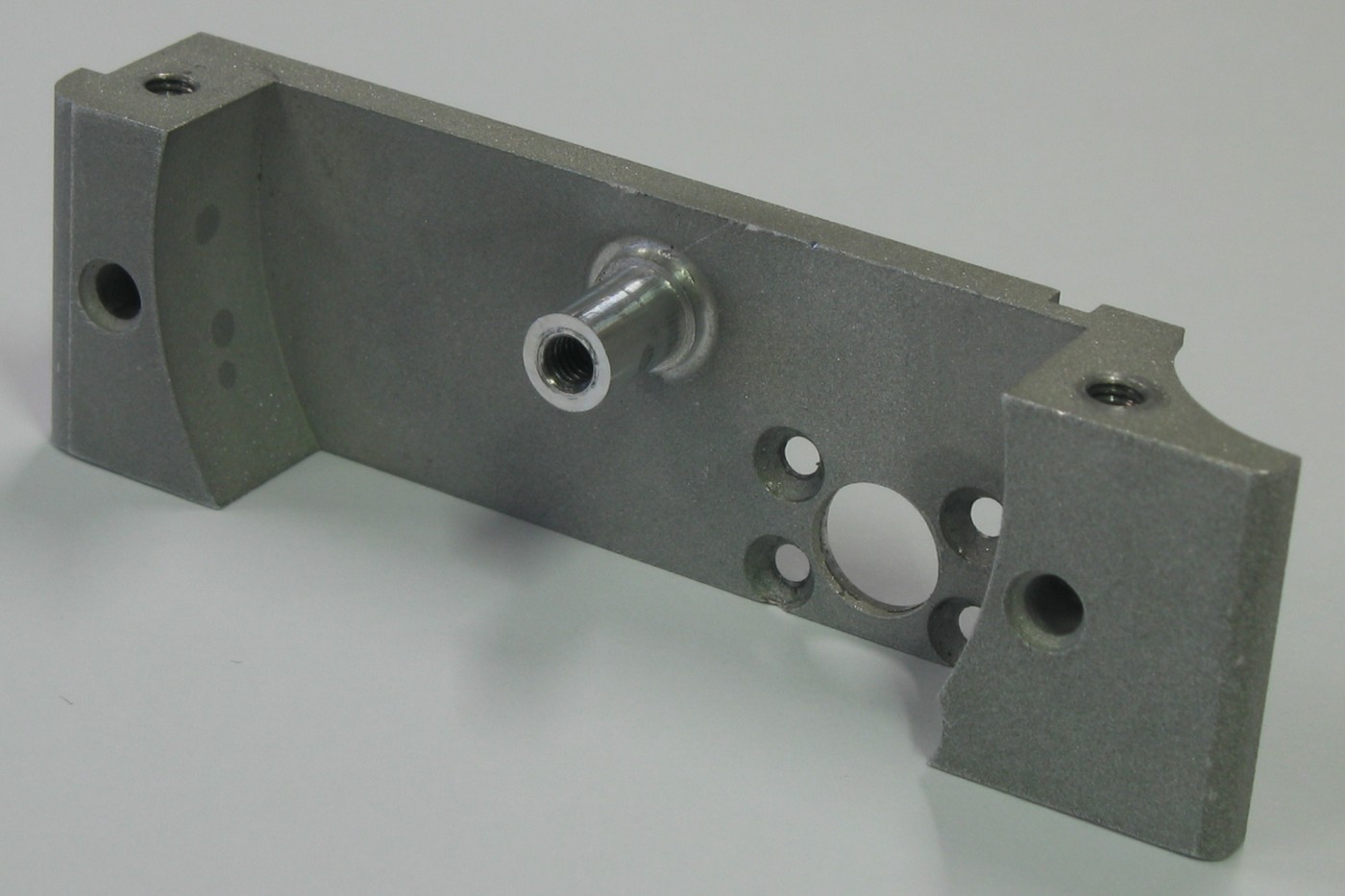 Vol 1 Why Machine It — When an Aluminium MP7 Is Worth the Work The third and last MP7 light gun: what a milled aluminium shell buys over the printed one (the real gun's weight with no ballast, a stiff mount for the IMU and the kick, a body that survives being dropped), what it costs in money, machine hours and legal exposure, why it comes after the printed gun and not instead of it, and which sibling dive owns each part of the problem
-
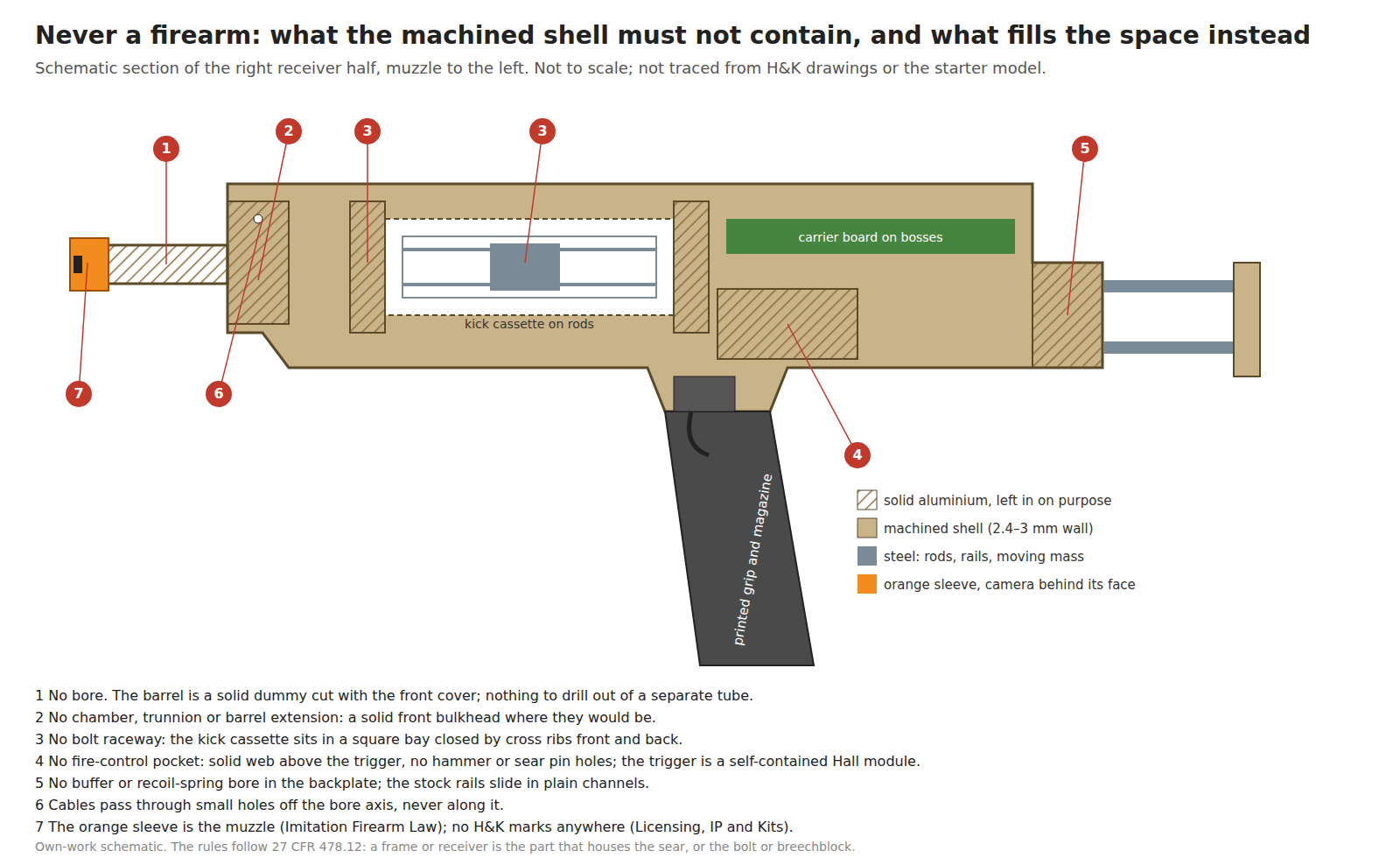 Vol 2 Never a Firearm — the Design Rules for a Metal MP7 Why a machined aluminium MP7 shell needs written design rules that a printed one could leave implicit: what federal law calls a frame or receiver, what 'readily' means and why this lab's own skill counts against relying on difficulty, why an MP7-shaped receiver would be a machine-gun receiver, seven rules that keep every part of the shell out of those definitions, what to do with the starter file's modelled internals, and where the look-alike law and the house rule take over
-
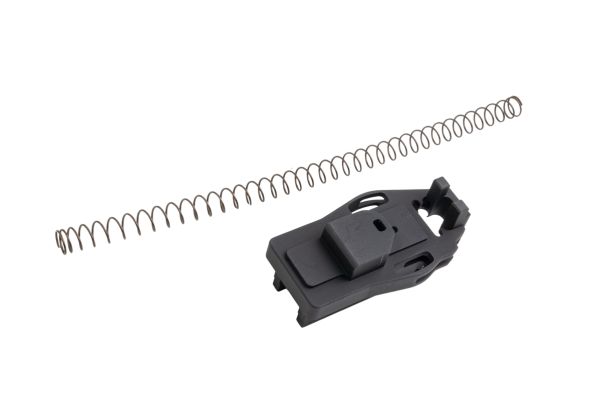 Vol 3 Alloy, Stock and the Parts List Which aluminium, and in what form: 6061-T651 against 7075-T651 and cast tool plate (MIC-6 and its 5083-based rivals), with the reasons each wins or loses; why stiffness does not separate them; plate thickness and blank size for the receiver halves at dated prices; how the printed gun's design is re-split for machining; wall, floor and corner rules that a router can actually cut; and why the outside surfaces come from the builders' own geometry, not the starter file
-
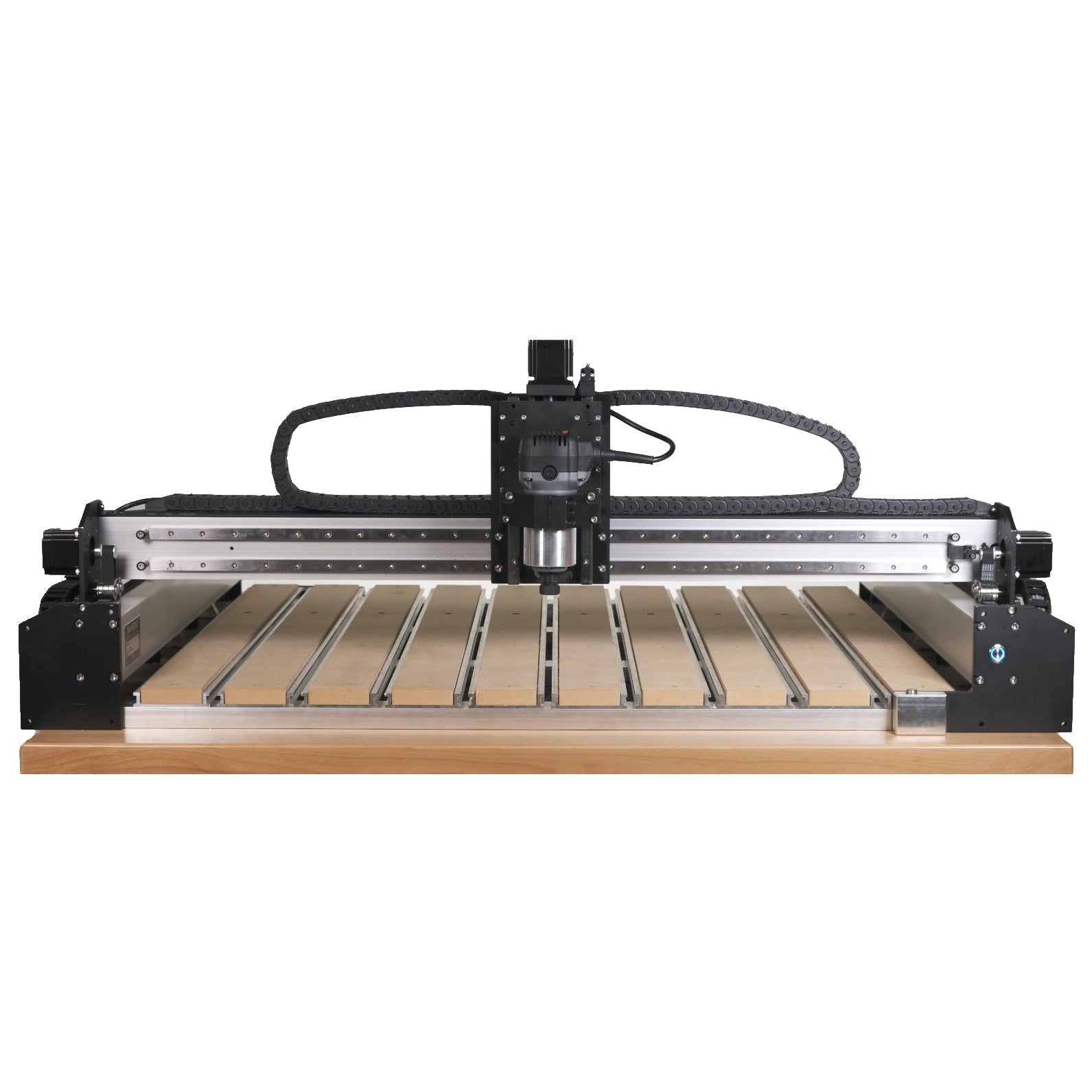 Vol 4 Fixturing and Machining in This Shop Which of the lab's machines can cut which part (only the Shapeoko 3 XXL can hold a receiver half), why an online machining service is not an option, a cast-plate fixture plate with dowels, the two operations of a receiver half with a nest under the thin walls, tooling chosen and priced, a starting feeds-and-speeds recipe worked from the router's real limits, distortion control, the coupons to cut first, and an estimate of the machine hours
-
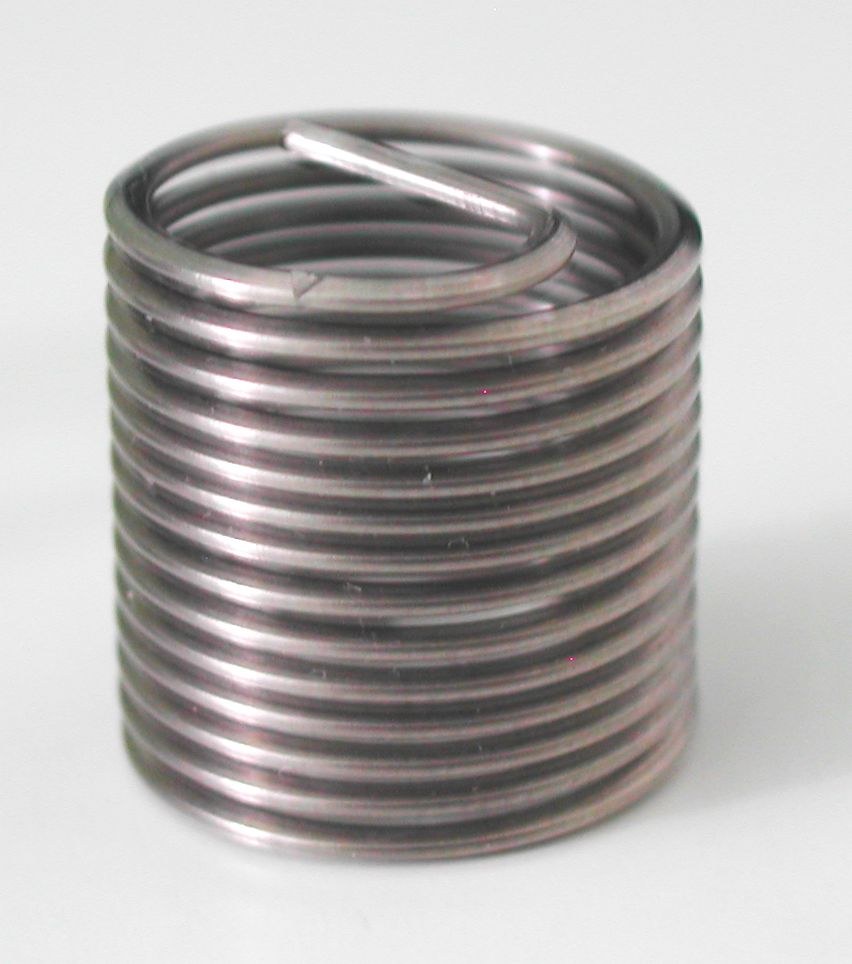 Vol 5 Threads, Fasteners and Mechanisms in Metal What changes when the printed gun's heat-set inserts and printed channels become aluminium: tapped and form-tapped threads against helical inserts, bosses sized for engagement, screws and galvanic pairs, dowels reamed as a pair, the backplate's locking pins, steel stock rails in anodised channels, the foregrip hinge, the kick cassette bolted through the ribs, and the mounts for the carrier and camera
-
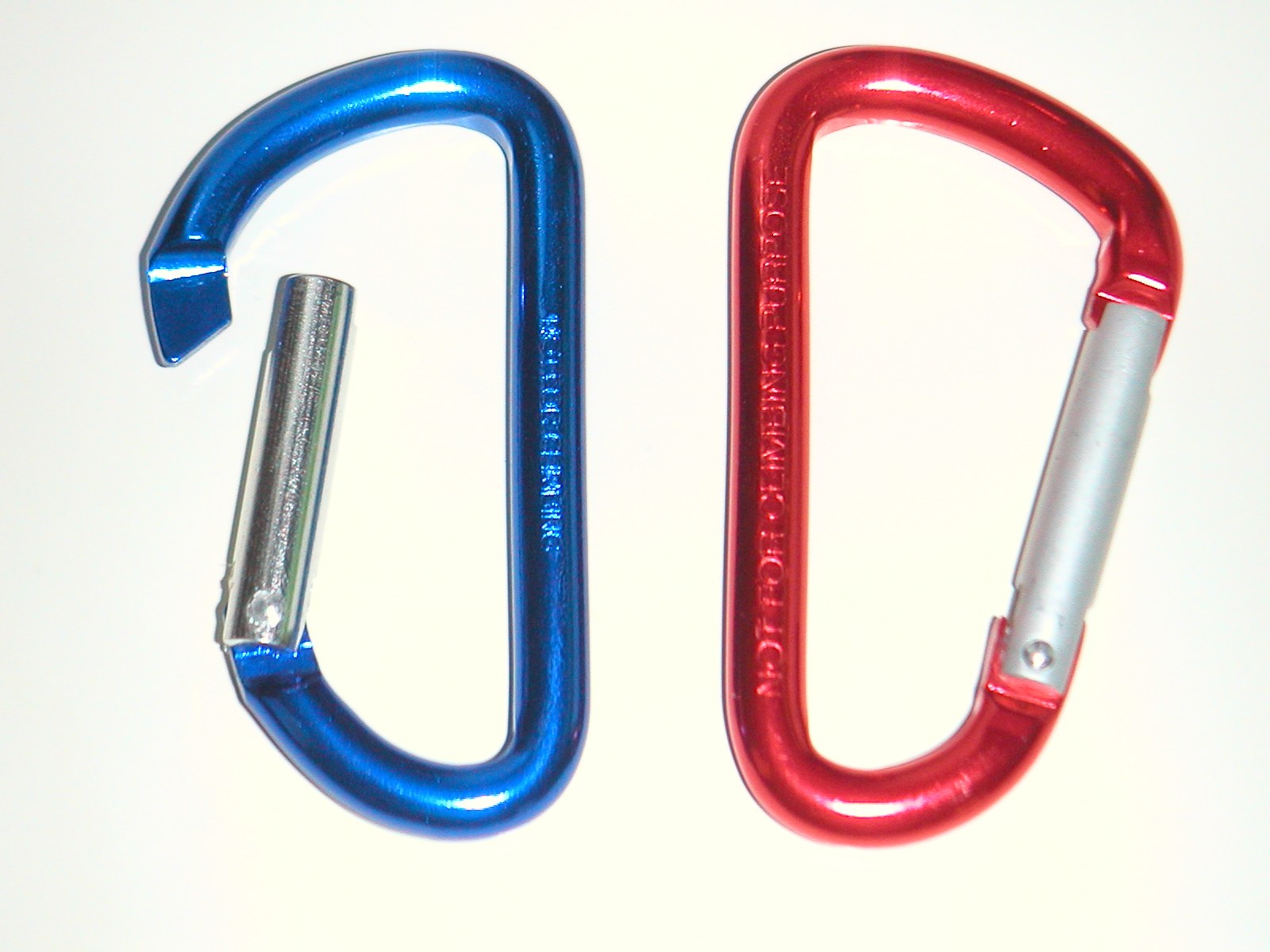 Vol 6 Finish, and the Orange Marking on a Metal Gun Making machined aluminium read as H&K's black polymer: bead blasting, Type II and Type III anodise (what they grow, what they cost to do at home with the lab's own supply, and where they bind), Cerakote cured in the lab's powder-coat oven, which finish goes on which part, and how the mandatory orange band is fixed to a metal muzzle so that it is permanent: a bonded and pinned printed sleeve, not dyed anodise or paint
-
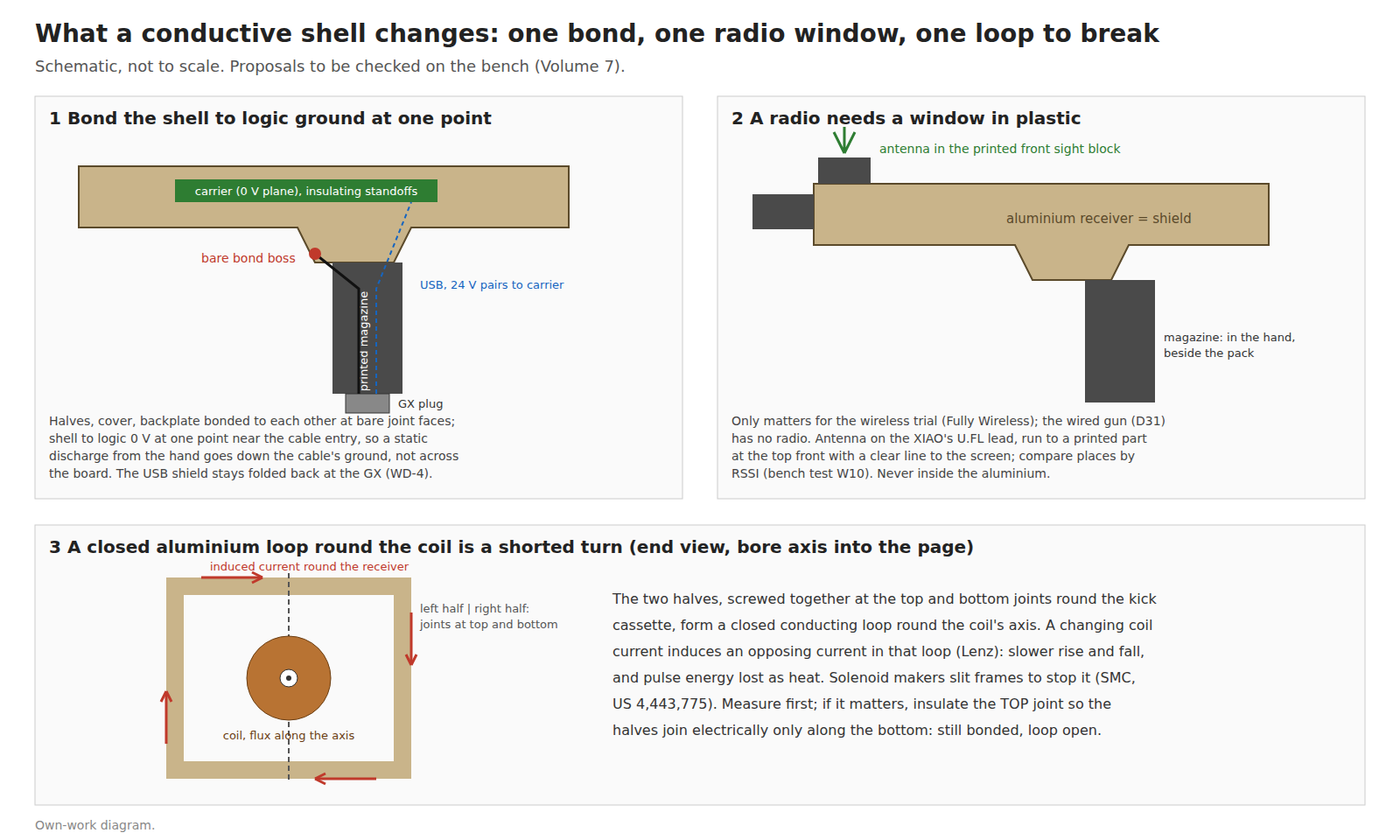 Vol 7 Living Inside a Metal Shell — Electrics, Radio, Heat, Weight, Cost and Time What a conductive aluminium receiver does to electronics designed for a plastic one: grounding and static, keeping 24 V off the shell, a radio that needs a plastic window, the shorted-turn effect a closed aluminium loop has on the solenoid, heat in the hand, the weight and balance against the kick, what the metal gun costs at dated prices and how many machine hours it takes, and the checks before the first game