Search every volume:
Volumes
-
 Vol 1 Origins — A Pistol Filed in 1946, a Company Founded in 1949 Bill Ruger, Alex Sturm, the $37.50 Standard, and the patent that already contained the takedown problem
 -
 Vol 2 Four Generations — What Changed from the Standard to the Mark IV Dates from Ruger's own records, where they disagree with each other, and why the Mark III is remembered for its safeties
 -
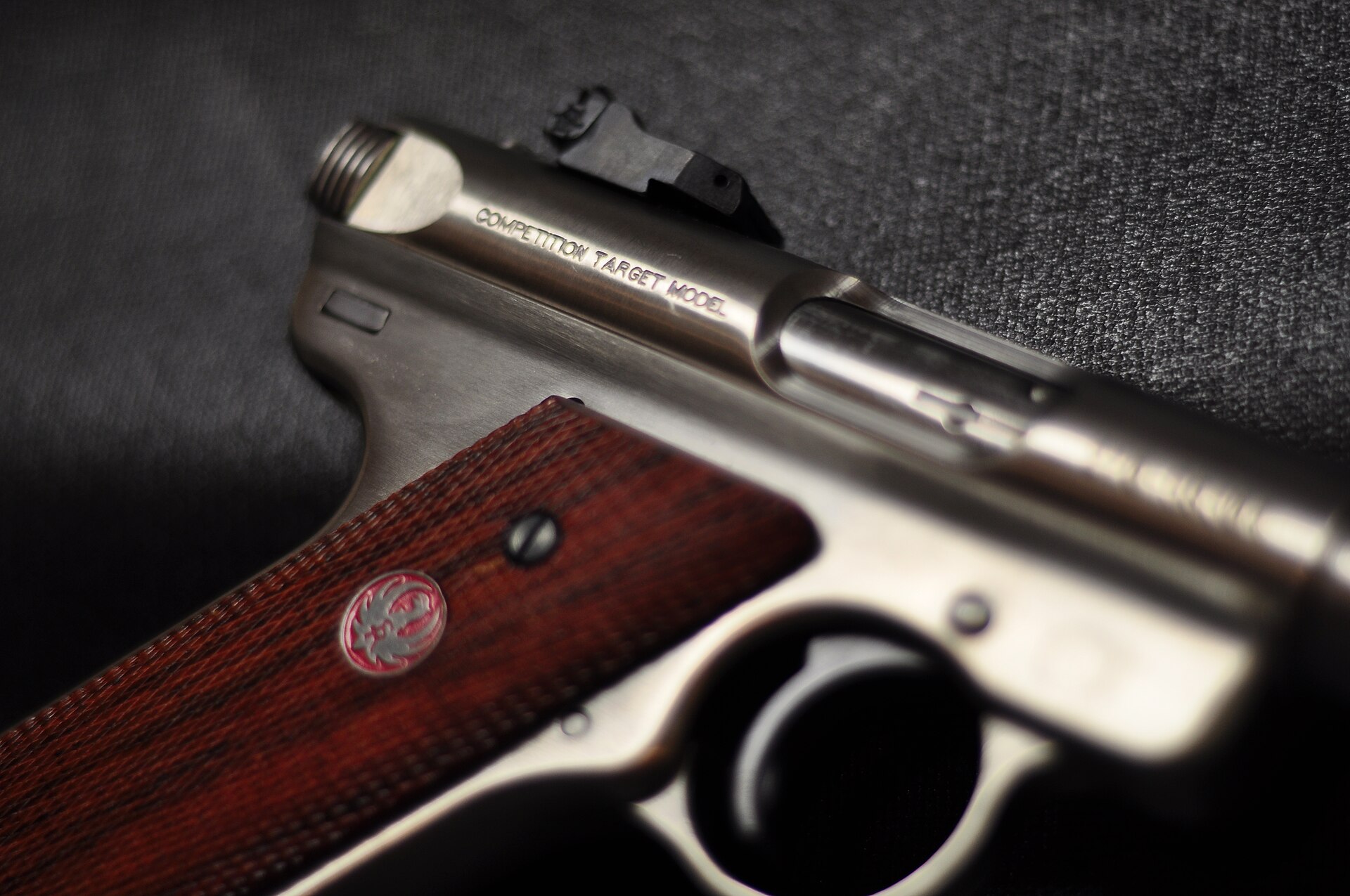 Vol 3 How It Works — The Tube, the Bolt, and the Pin That Holds It Together Blowback, the three-job bolt stop pin, the fire-control group, and what the Mark III added and the Mark IV changed
 -
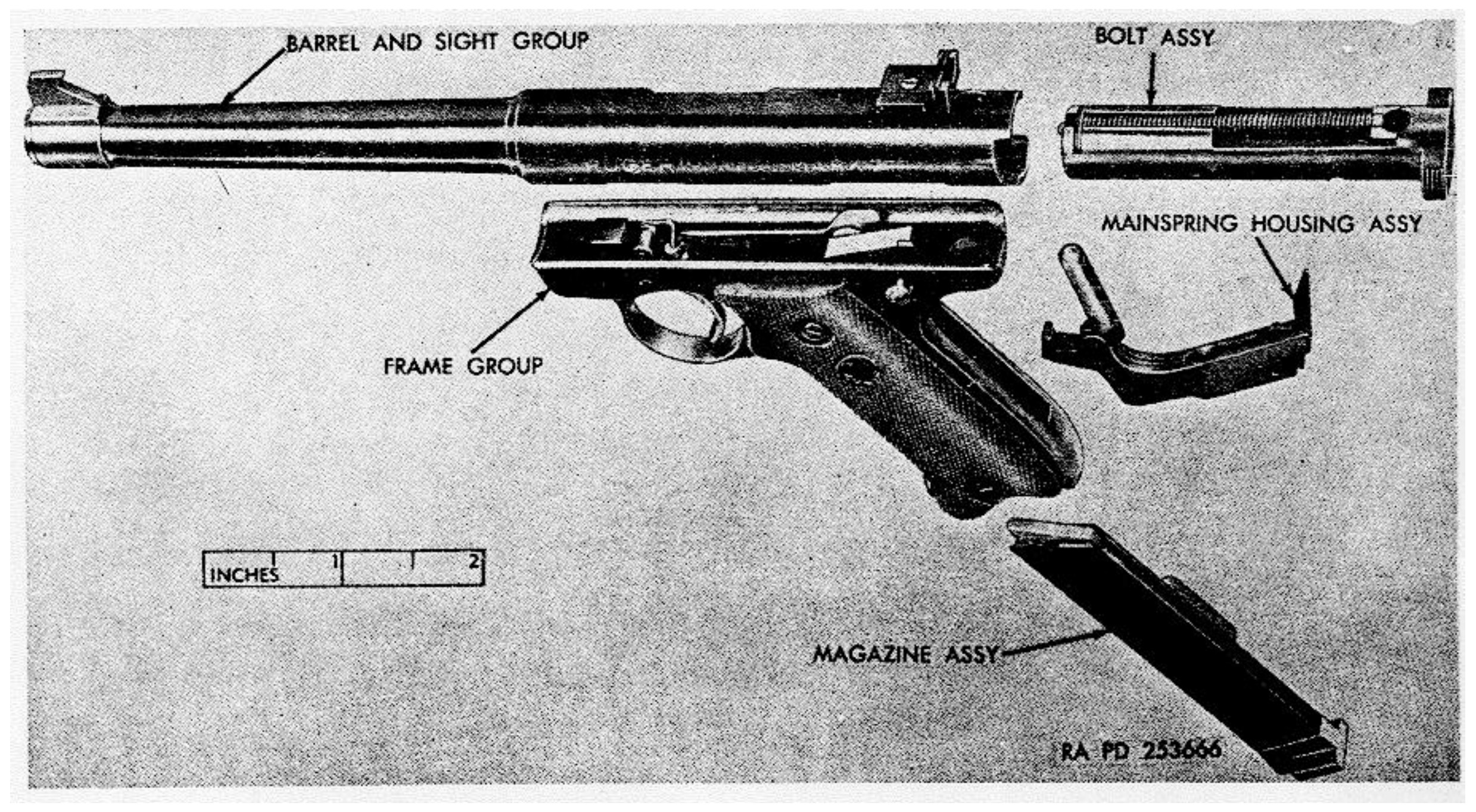 Vol 4 Takedown and Reassembly — From Ruger's Own Manuals Four generations of procedure, the places the manuals disagree with each other, and the button that ended sixty-seven years of complaint
 -
 Vol 5 The Mark IV Recall, and the Safety That Could Stop Halfway Ruger's notice of 7 June 2017 in its own words: the serial ranges, the two parts, the S on the white dot, and why only the grip frame went in the post
 -
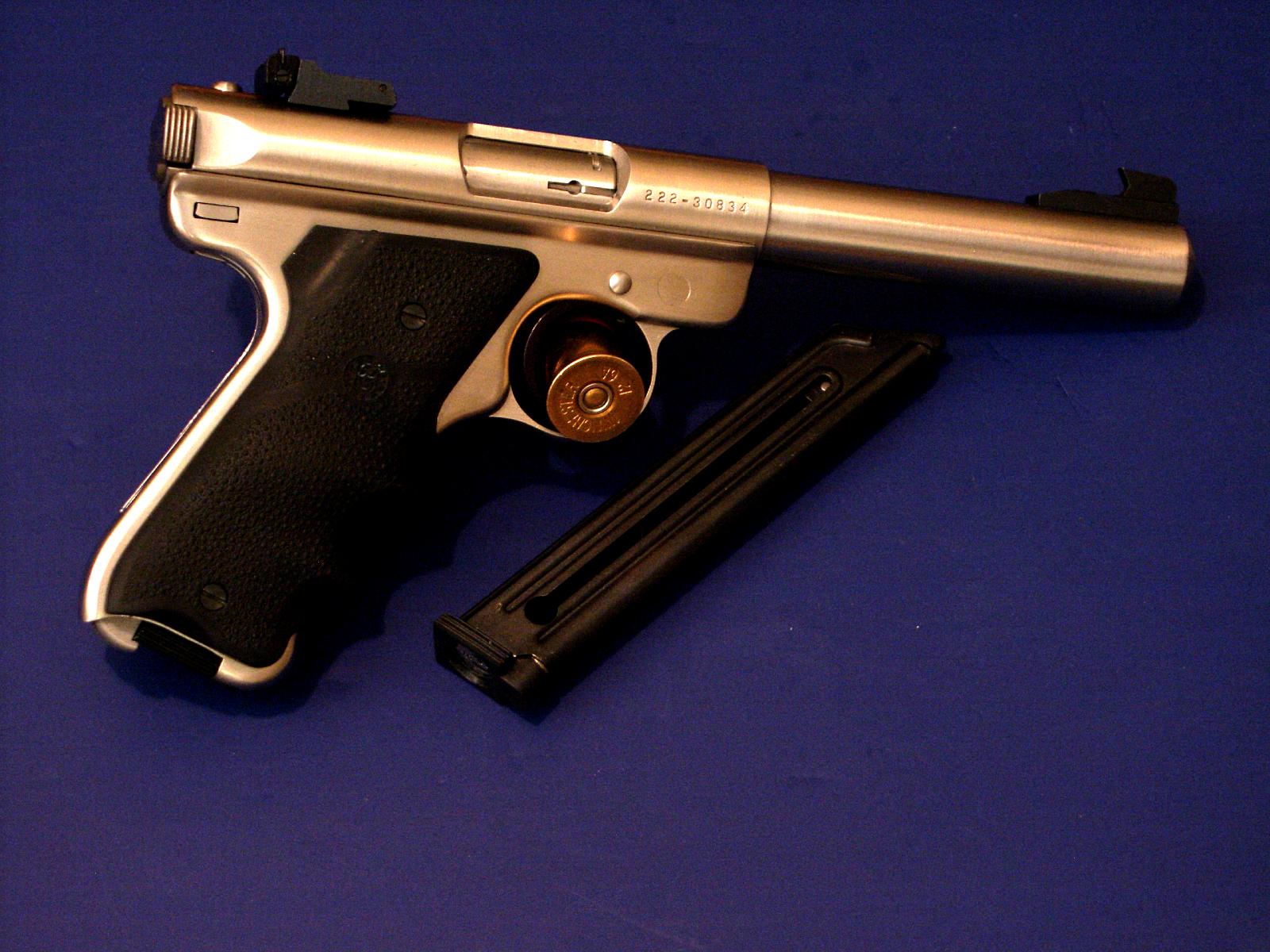 Vol 6 Magazines Across Seven Decades Nine rounds, then ten; a heel catch, then a button; and why a Mark III magazine has a window in it — compatibility as Ruger's manuals state it, and where they are silent
 -
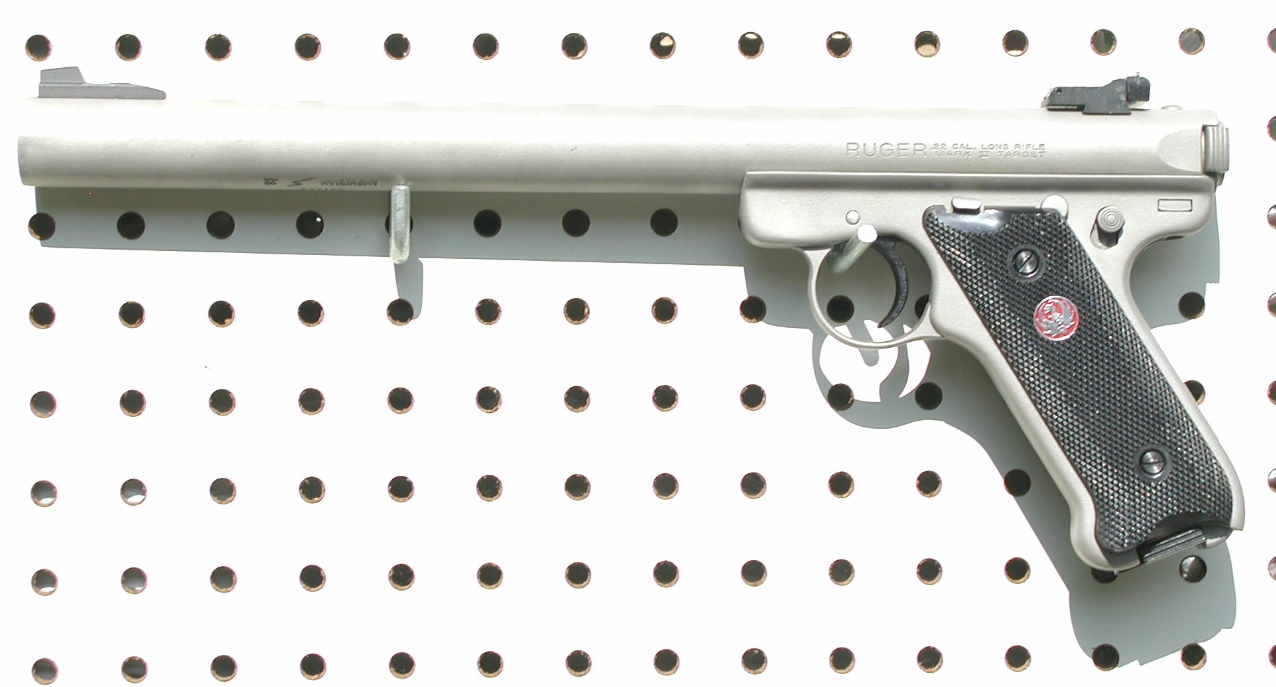 Vol 7 The Pistols Documented Here, and What the Volquartsen Parts Change A Mark III Target decoded from Ruger's own spec sheet, a Mark IV not yet recorded, and the planned competition kit part by part — including the magazine disconnect it removes and the bolt release that does not exist for this frame
 -
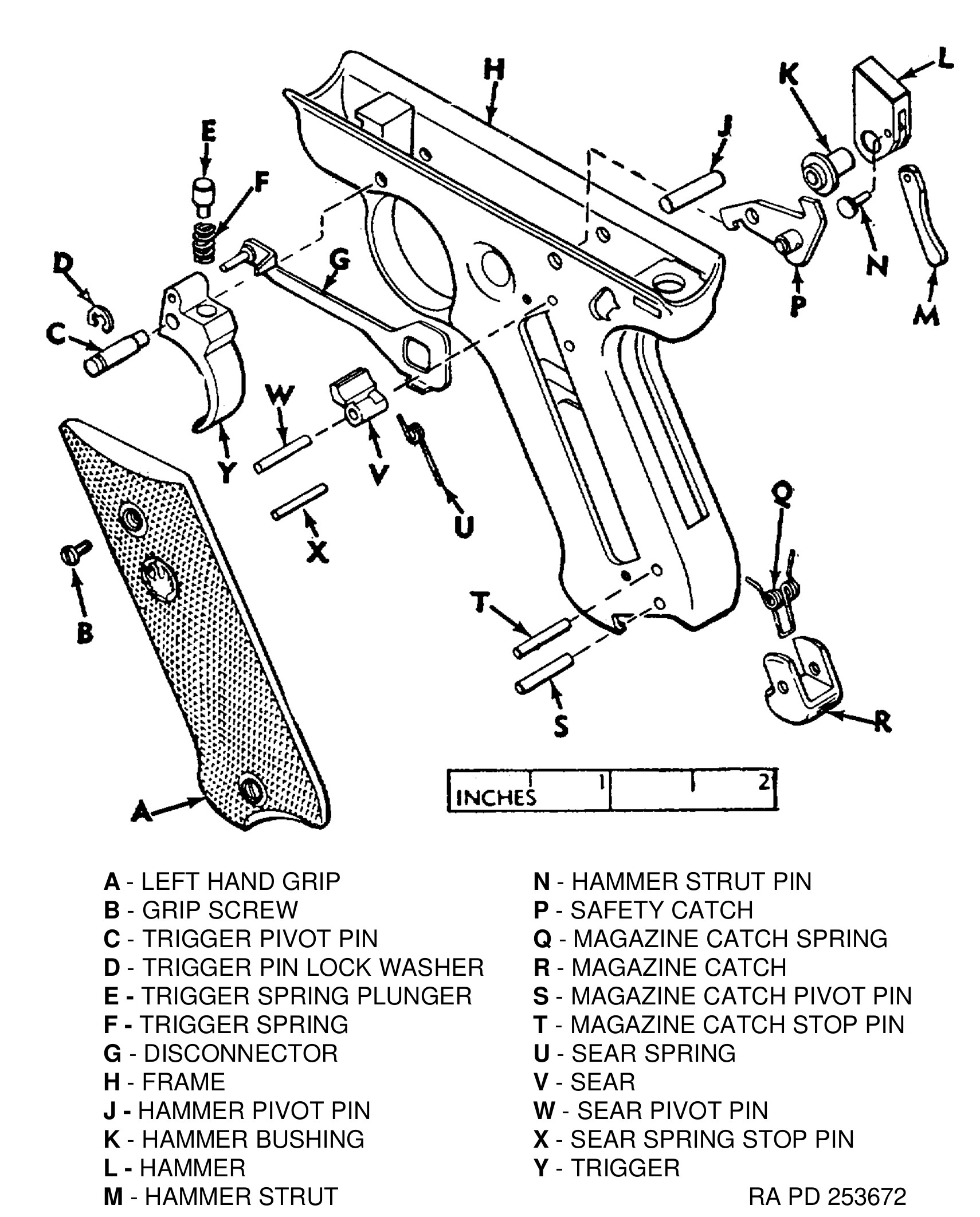 Vol 8 Keeping It Running — Maintenance, Malfunctions and Repair Cleaning and lubrication, the parts that wear, the Army's 1959 troubleshooting tables and detail strip, and where a bench repair ends and Ruger's factory service begins