Licensing, IP and Kits

Firmware and 3D-model licences, trademarks and trade dress, patents and product safety for anyone selling light-gun kits.

Firearms

Licensing, IP and Kits · Deep Dive

Licensing, IP and Kits

What has to be clean before a kit can be sold.

Firmware and 3D-model licences, trademarks and trade dress, patents and product safety for anyone selling light-gun kits.

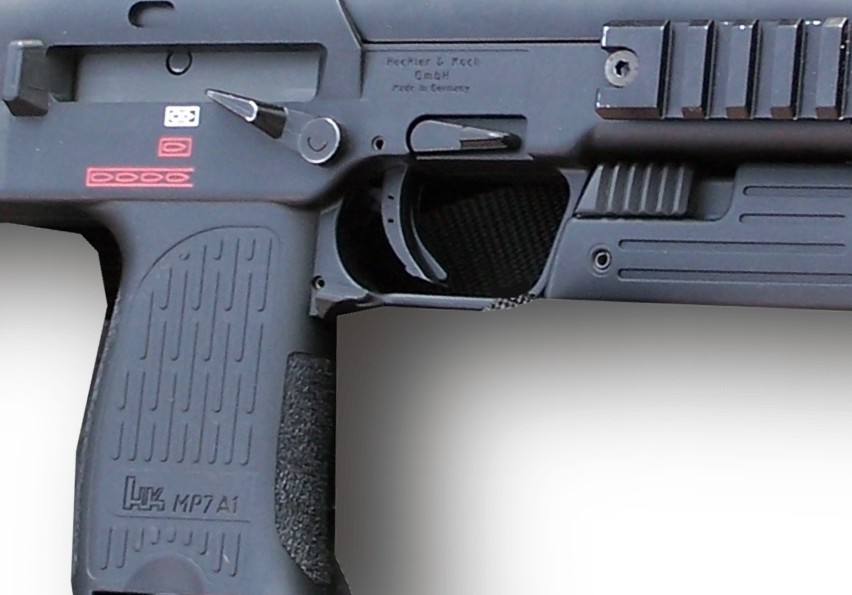
Photo: The H&K-licensed Umarex/Elite Force MP7 gas blowback, left side, with its licensing and warning marks by Umarex USA (product image)

Search every volume:

?

How to search

sten gun
pages with both words
"sten gun"
the words together, as a phrase
sten OR sterling
either one (| works too)
sten -replica
leave out pages that mention “replica”

Without quotes, the last word also matches longer words that start with it (sten finds Stenophylla), and close word forms count (rifle finds rifles). Tick Exact words to match whole words only.

Whole deep dives are listed first, then the pages inside them.

    Volumes
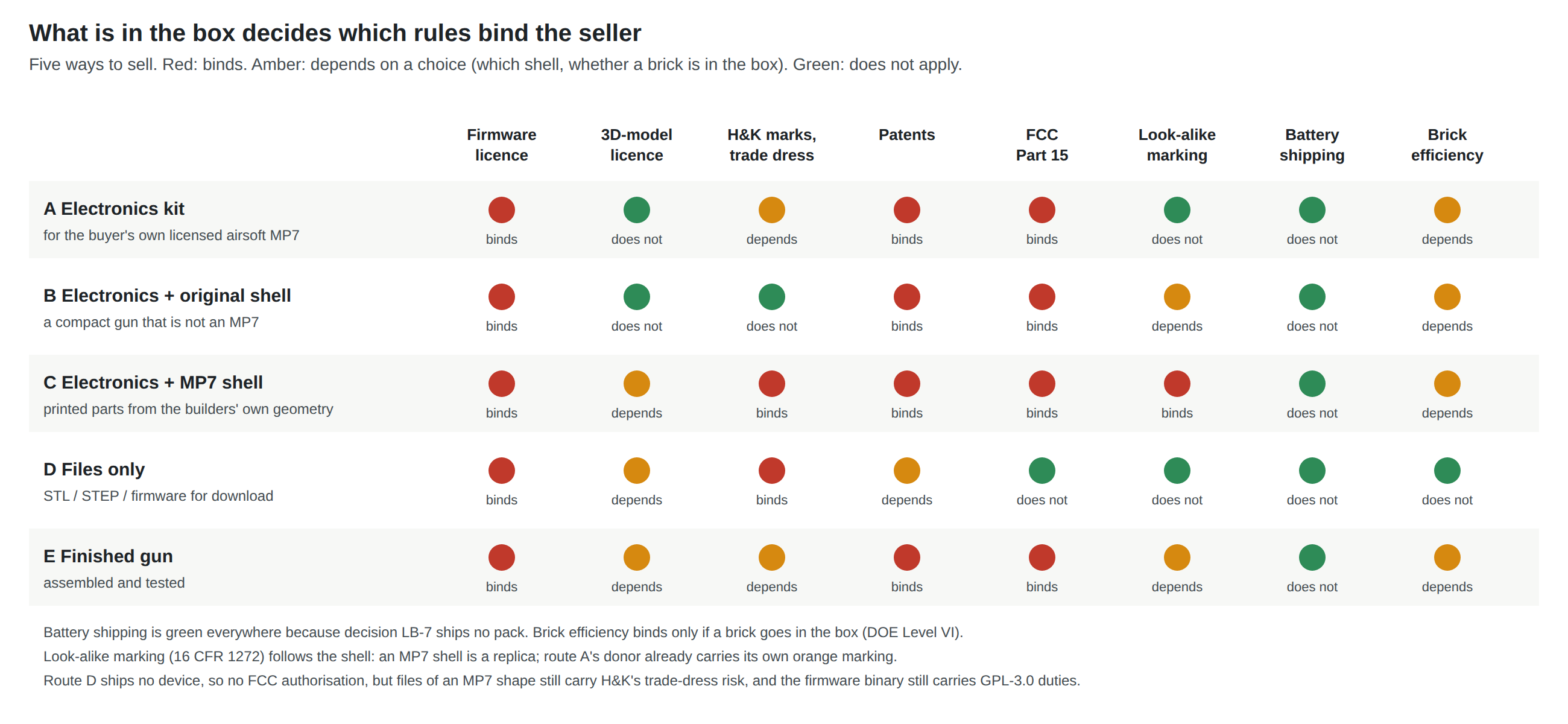
    1. Vol 1 Selling a Kit — What Changes the Day a Light Gun Is Offered for Sale The owner decisions that make licences and product rules binding, five ways a kit could be sold and which rules each one triggers, the three kinds of rights and the three kinds of rules a seller meets, where the category's other dives already cover each thread, and the findings this dive adds
    2. Vol 2 H&K's Marks and the MP7's Look — What a Kit May Carry, Show and Say The five live US registrations a light-gun kit runs into, read from the USPTO, including an MP7 registration for toy weapons; how trade dress protects a product's shape and where it stops; H&K's record of defending the look of its guns; the licensed-airsoft model; and nominative fair use applied line by line to the copy on a box
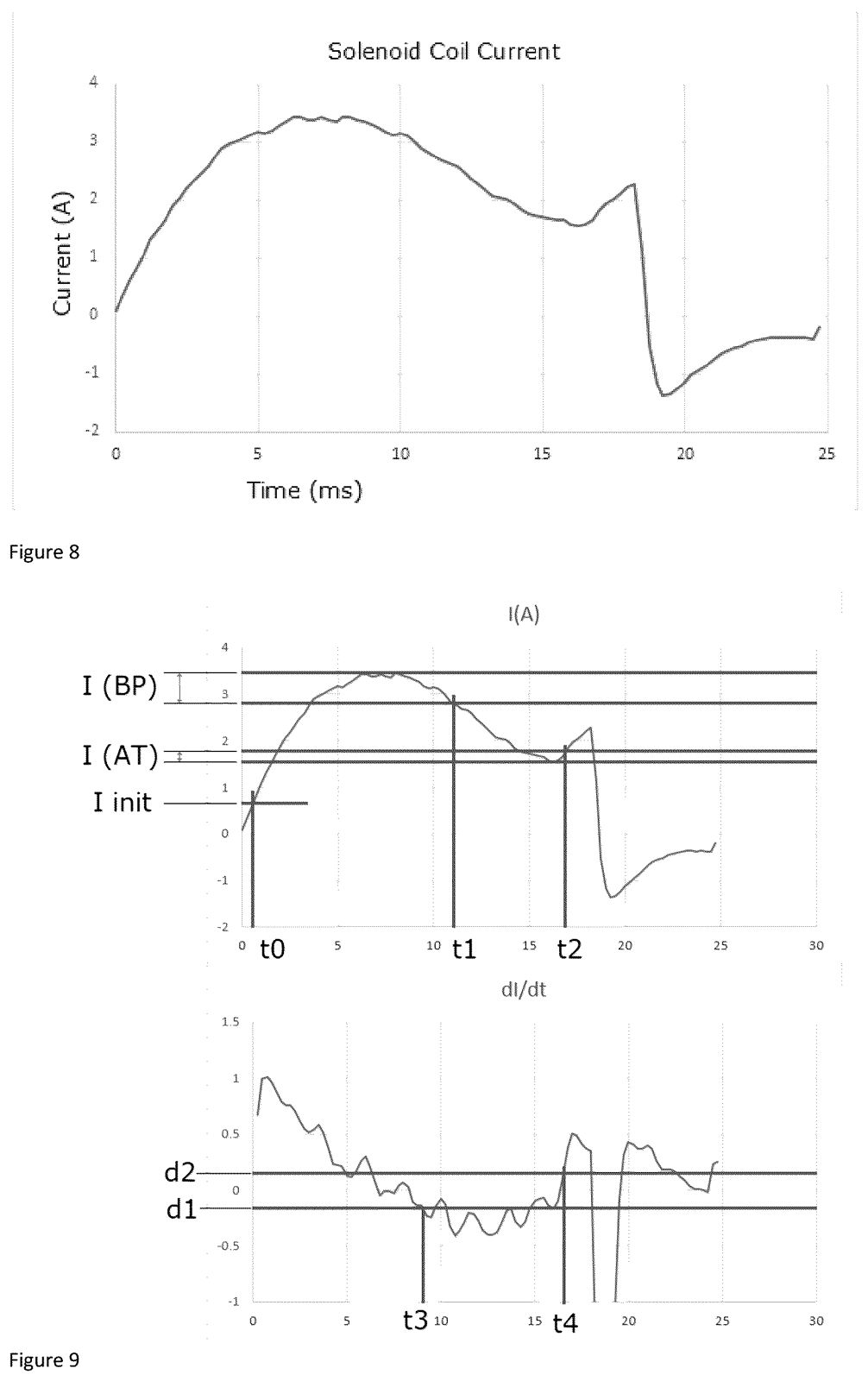
    3. Vol 3 Patents and Freedom to Operate — Which Live Patents Sit Close to a Light-Gun Kit How a patent binds a kit seller and why selling parts is no way round it; the patents found round light-gun sensing and recoil, with their claims and estimated expiry dates; Sinden's recoil patent read element by element against the category's own solenoid stage; the Wii Remote family's end; the camera maker's pointing patents; and what to ask a patent attorney before a kit is sold
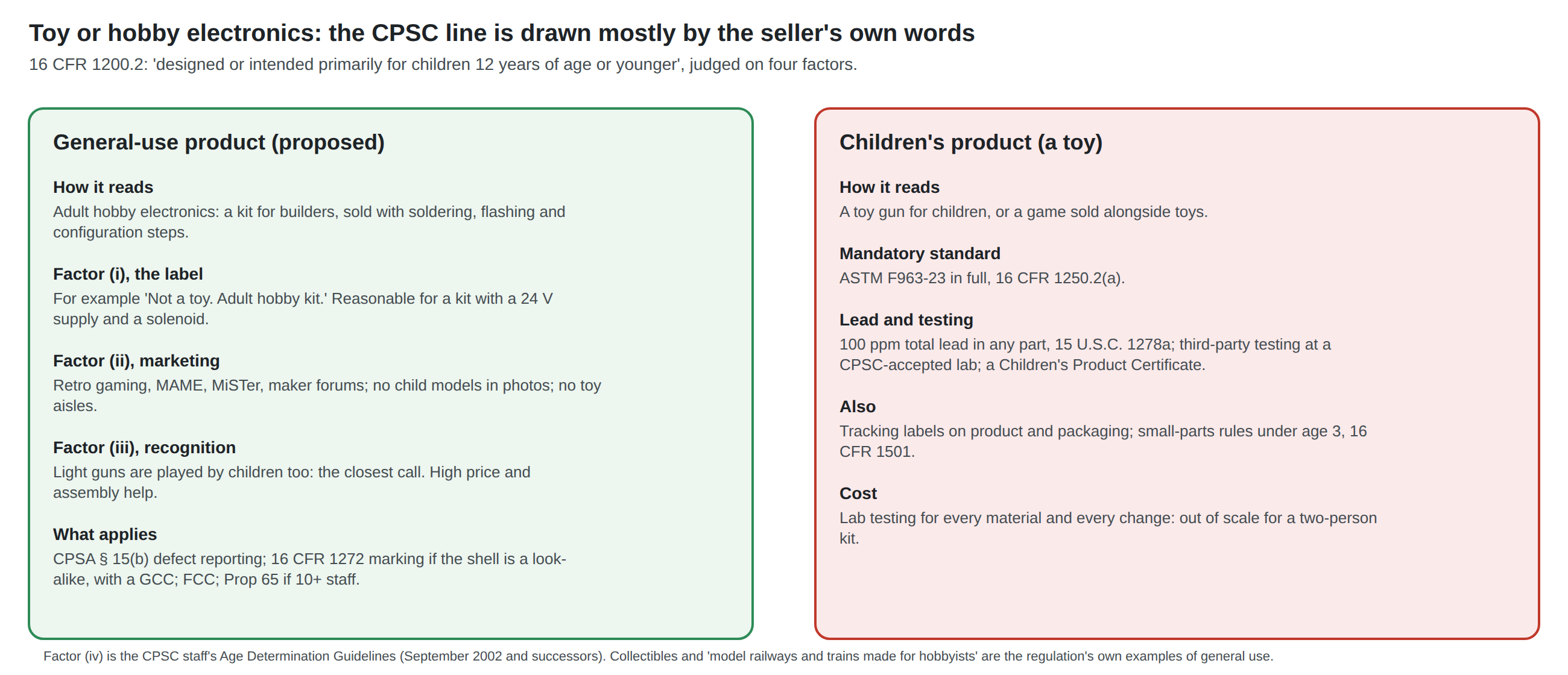
    4. Vol 4 Product Rules for a US Kit — FCC Part 15, the CPSC's Toy Line, the Brick, Prop 65 and Selling Abroad Why a cabled light gun is a Class B digital peripheral that must be authorised before it is marketed, and why a kit cannot lean on the home-built exemption; the CPSC's line between a toy and a general-use product and how marketing draws it; the defect-reporting duty every seller carries; the wall brick's federal efficiency rule and why a listed brick is bought, not built; California's Proposition 65 and the small-business exemption; and what selling outside the US would add
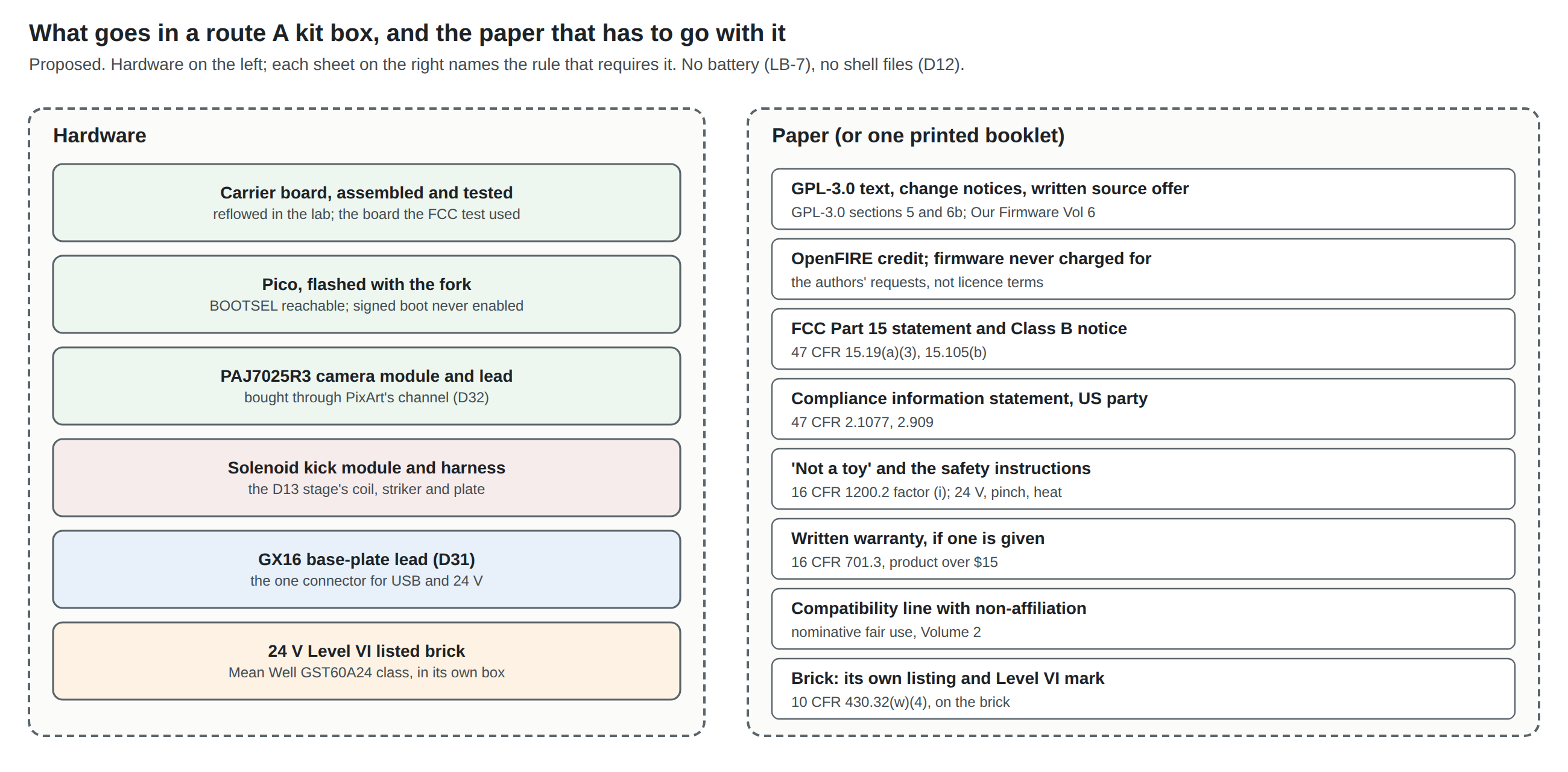
    5. Vol 5 The Kit Plan — What to Ship, the Paper in the Box, Warranty and Liability, and Ten Gates Before the First Sale The recommended order of the five routes and why; what a route A box holds and the rule behind each sheet of paper in it; whether the brick ships; warranty disclosure, the mail-order rule and 'Made in USA'; liability, insurance and records; the ten gates before the first kit ships; proposed decision rows; and the questions only the owner can answer