Ruby Pistol

Gabilondo's 1914 Ruby and the dozens of Eibar firms that made Ruby-type .32s for the French Army in 1915–1918: the contracts and every total with what stands behind it, the other armies and the post-war trade, how it works, identifying a maker by legend and French code, care and repair, the 7.65 mm Browning and the magazine problem, the law, and a from-scratch build.

Firearms

Ruby Pistol · Deep Dive

Ruby Pistol

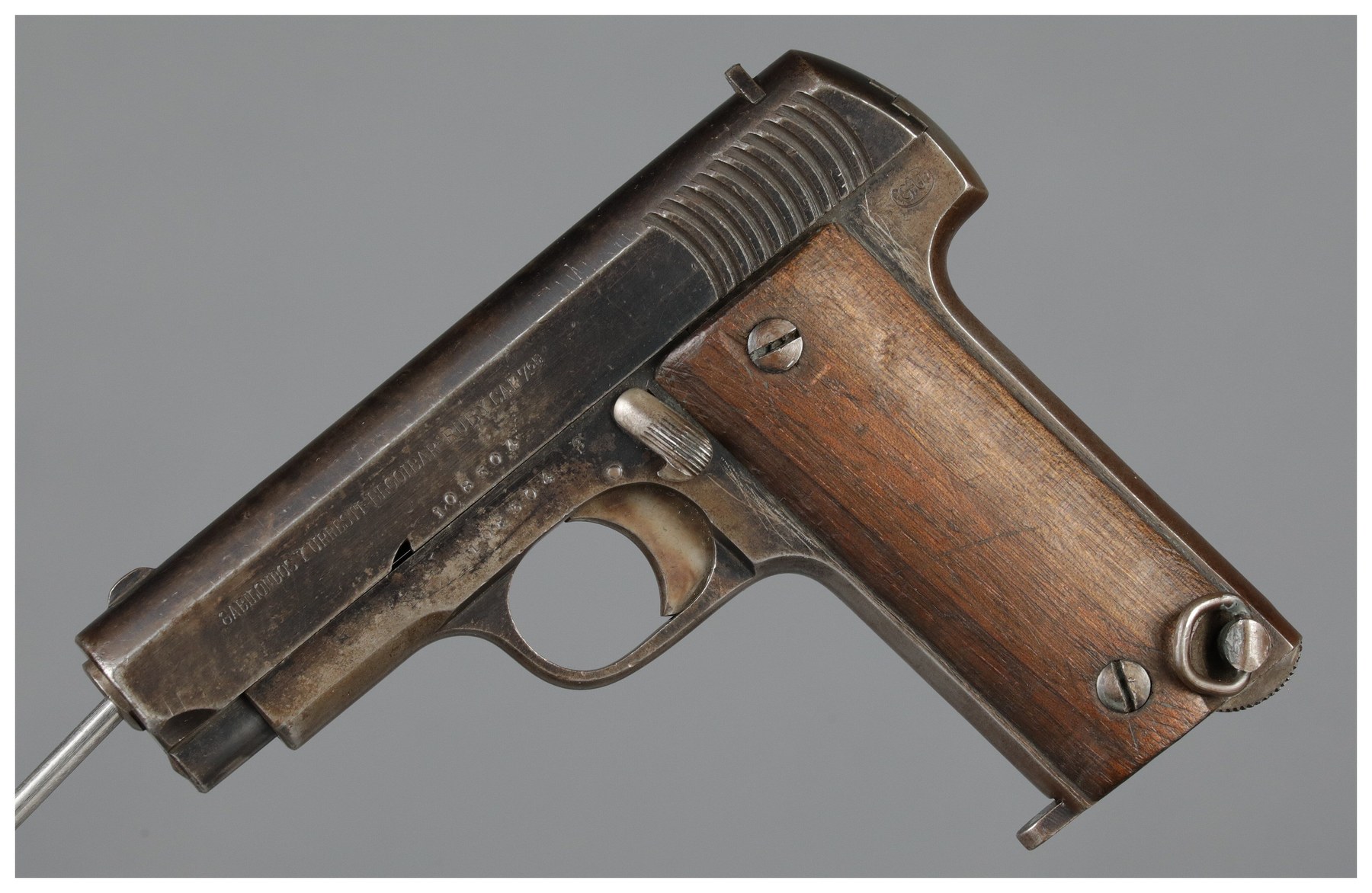
The one thing Gabilondo owned in the Ruby was the name — and the Musée de l'Armée's own "Ruby pistol, 1914" was made by somebody else.

Gabilondo's 1914 Ruby and the dozens of Eibar firms that made Ruby-type .32s for the French Army in 1915–1918: the contracts and every total with what stands behind it, the other armies and the post-war trade, how it works, identifying a maker by legend and French code, care and repair, the 7.65 mm Browning and the magazine problem, the law, and a from-scratch build.

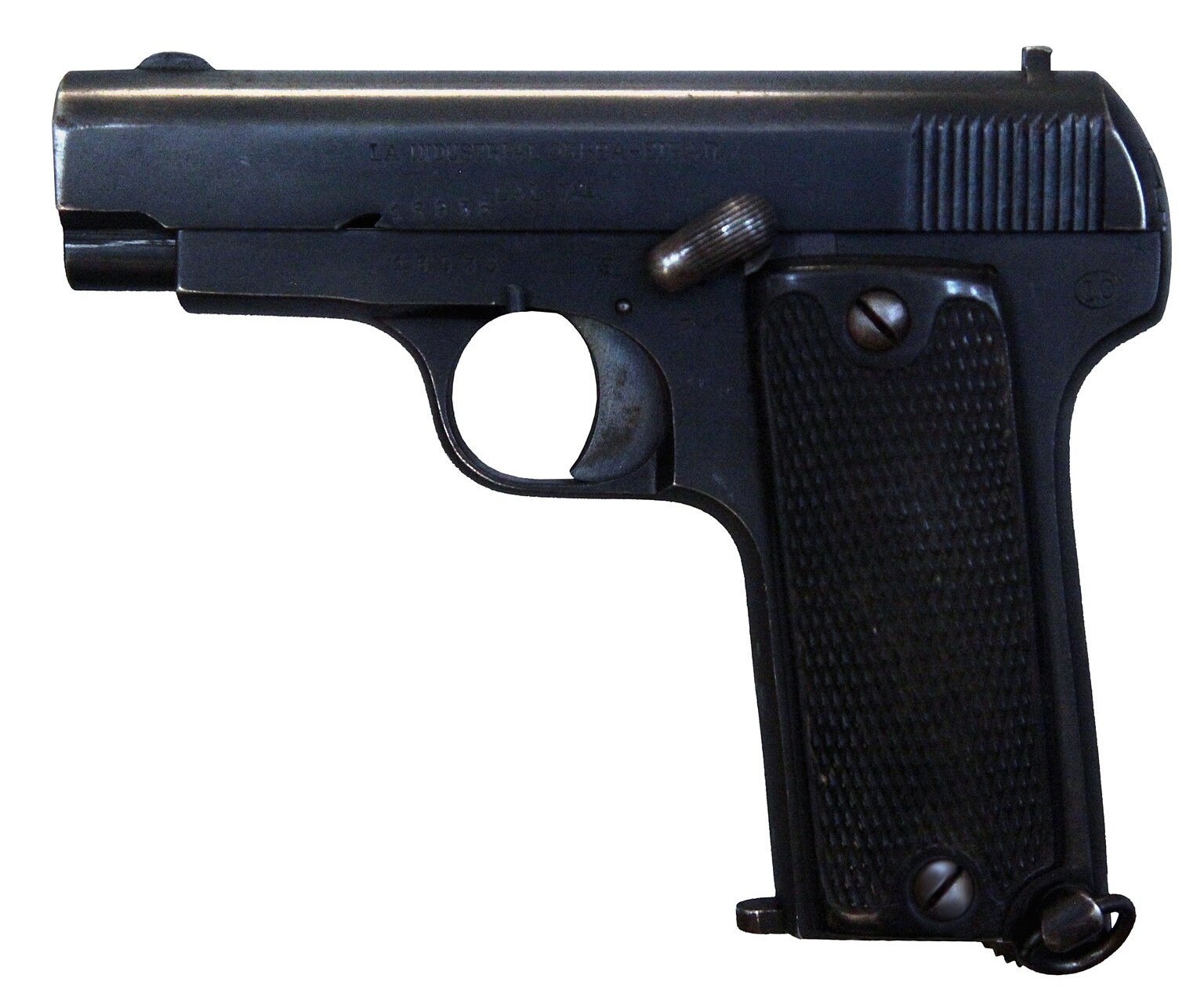
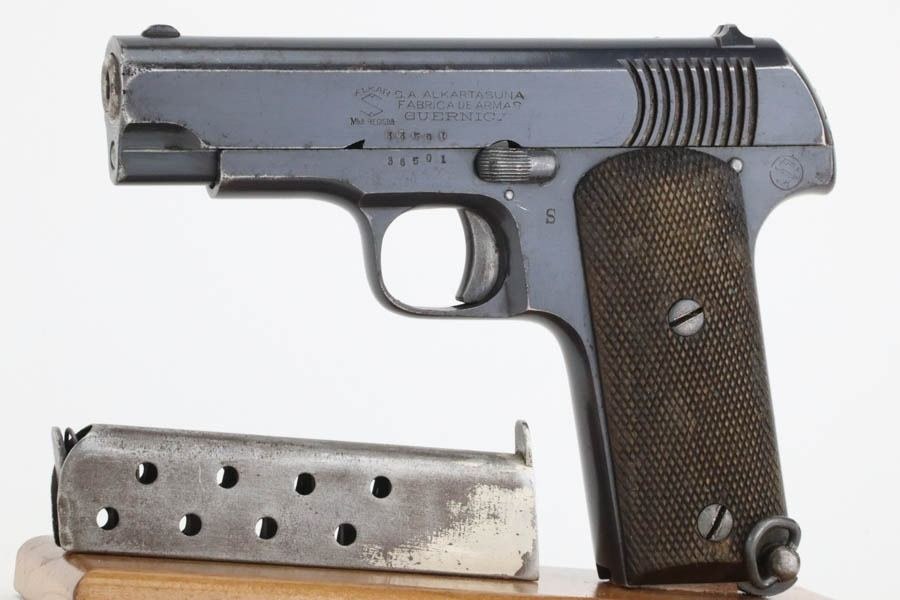
Photo: Ruby 1914-IMG 7361-white by Rama · CC BY-SA 3.0 FR

Search every volume:

?

How to search

sten gun
pages with both words
"sten gun"
the words together, as a phrase
sten OR sterling
either one (| works too)
sten -replica
leave out pages that mention “replica”

Without quotes, the last word also matches longer words that start with it (sten finds Stenophylla), and close word forms count (rifle finds rifles). Tick Exact words to match whole words only.

Whole deep dives are listed first, then the pages inside them.

    Volumes
    1. Vol 1 A Trademark, Not a Design: Gabilondo's Ruby, 1904 to 1915 Eibar's copy trade, a four-man workshop, the Victoria it was built on, and why the one thing Gabilondo owned in the Ruby was its name
    2. Vol 2 The French Contracts, 1915 to 1918: One Name, Dozens of Makers What France ordered and when, how Gabilondo subcontracted, how the independent Eibar shops joined in, the two French categories of 7.65 mm pistol, and every total with what stands behind it
    3. Vol 3 Other Armies, the Post-War Flood, and How Gabilondo Became Llama Italy, Romania, Greece, Serbia and Yugoslavia, Finland and Poland; French service into the 1940s and beyond; the 1920s export trade; and the firm's road from the Ruby to the Llama
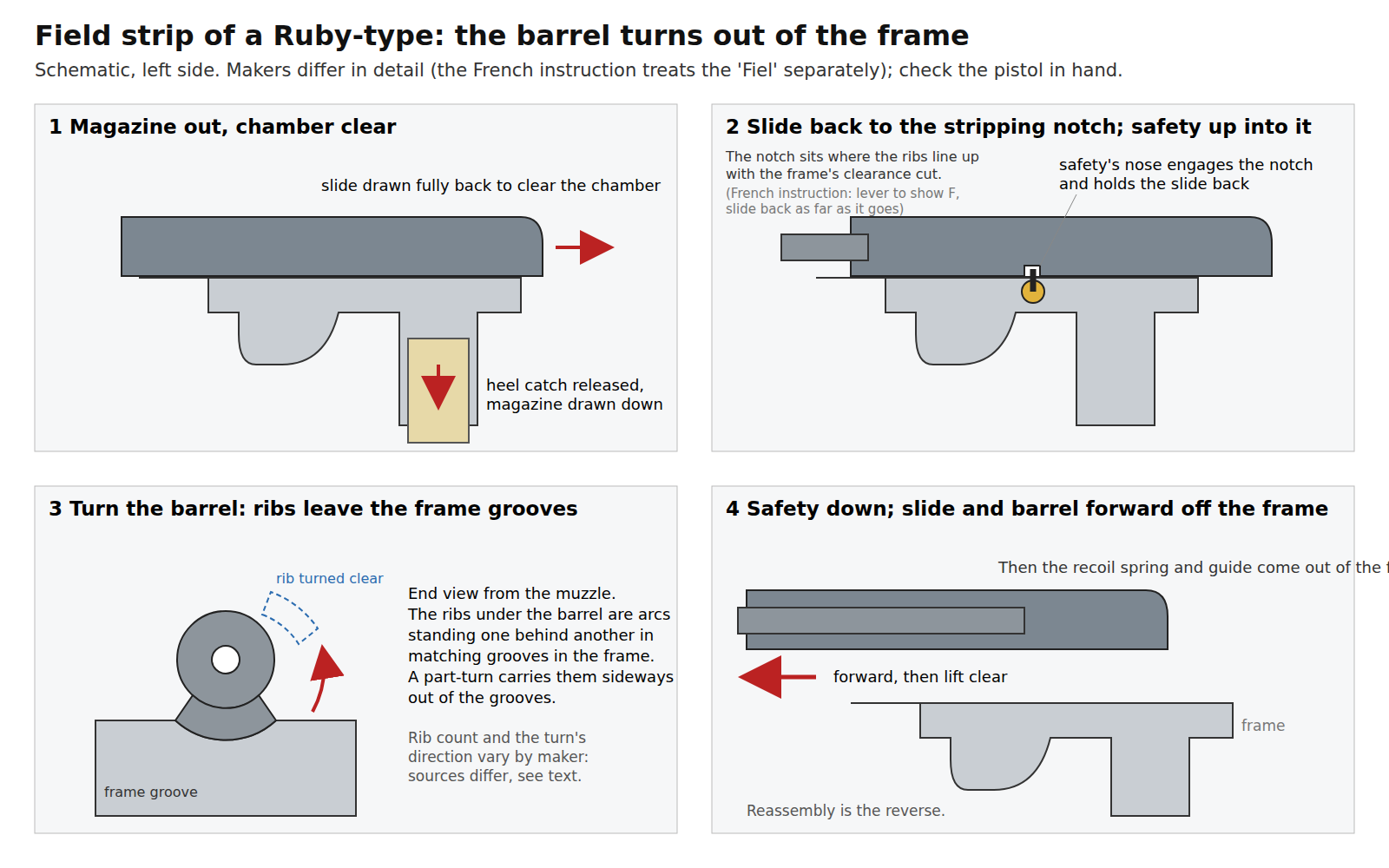
    4. Vol 4 How It Works: Browning's 1903 Pattern, the Spanish Way The parts the French Army named, the blowback cycle step by step, what holds the barrel, what the safety lever does, and what the Eibar makers left out
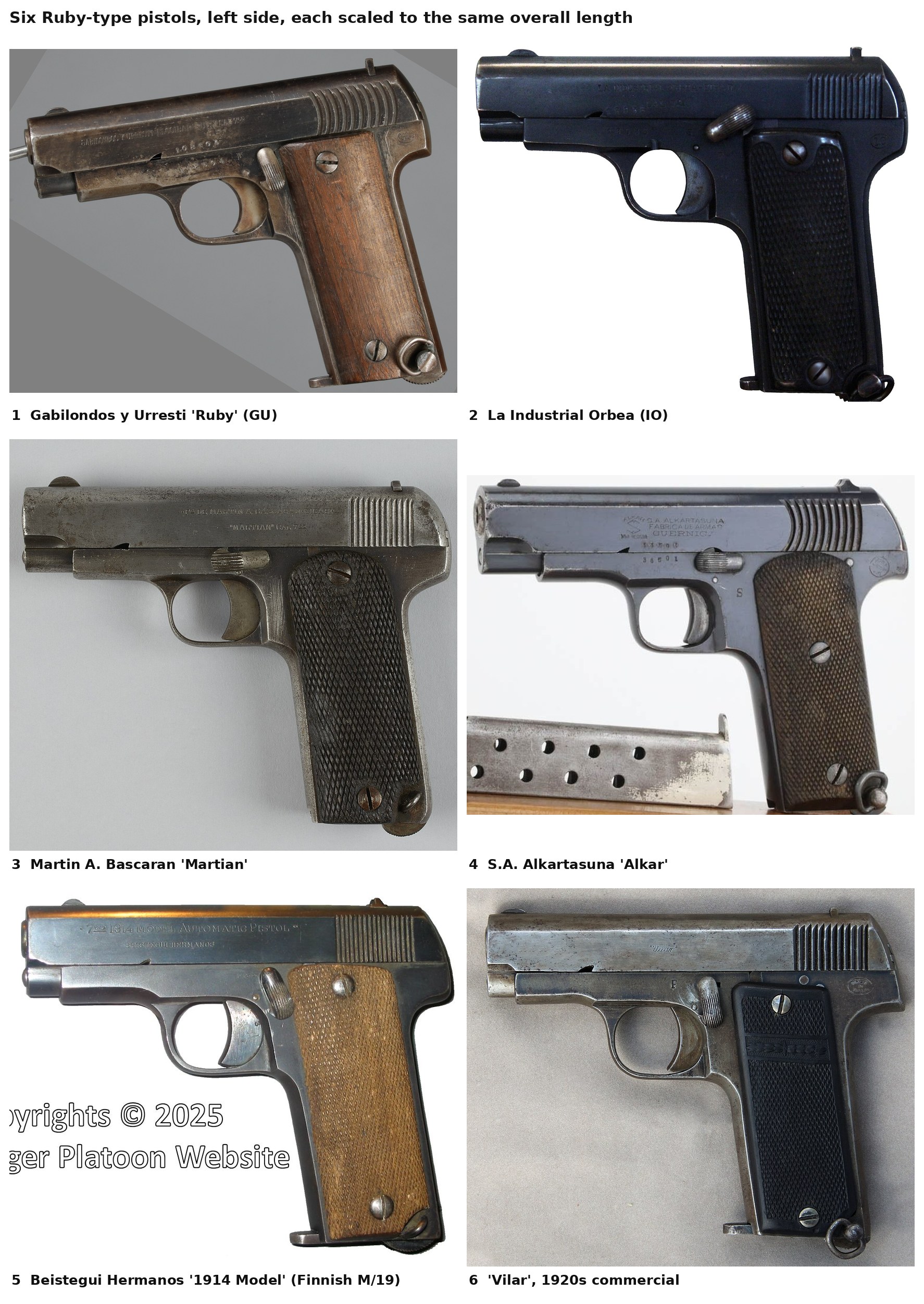
    5. Vol 5 Identifying a Ruby-Type: Makers, Markings and the French Codes How to tell a Ruby-type from the pistols it resembles, how to read a slide legend, what the oval on the frame does and does not mean, the acceptance stars and the holster stud, and the maker-code list with what confirms each entry
    6. Vol 6 Keeping It Working: Field Strip, Detail Strip, Care and Repair The French Army's own stripping and cleaning instruction, a gunsmith's bench account, what a detail strip must allow for when no manual exists, the inspections that matter on a century-old Eibar pistol, and the failures these pistols are known for
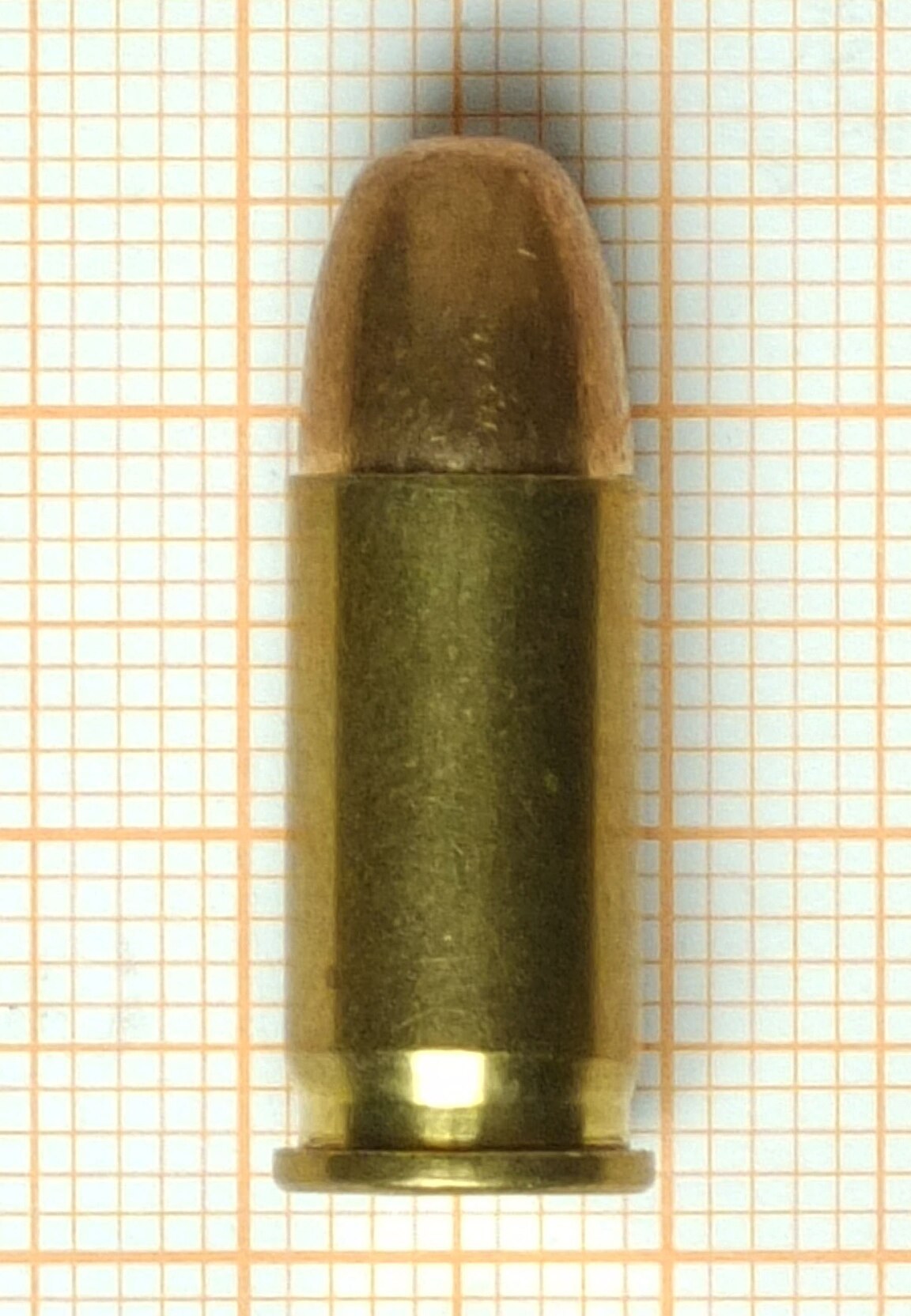
    7. Vol 7 The 7.65 mm Browning Cartridge and the Magazine Problem The .32 ACP from SAAMI's own drawing and tables, what a century-old Eibar pistol should be fed, and why a Ruby magazine fits its own pistol and often no other, with how to fit or make one
    8. Vol 8 Owning One: the Market and the Law What Ruby-types sell for, why none is an antique, why every original is a curio or relic twice over, the import rule for C&R handguns, the automatic variants, and the Michigan position
    9. Vol 9 Making One: From Parts, From Scratch, and the Law of a New Old Pistol Why a Ruby-type is the easiest early automatic in this hub to make and the hardest to make safe; restoration from parts, a from-scratch build group by group, the regulated frame, the disconnector, heat treatment, proving, and the markings not to copy