Hyper-Burst Mechanisms

The search for a rifle burst that leaves before the recoil arrives: the 1950s SALVO studies, SPIW, Heckler & Koch's caseless G11, the Soviet AN-94, and the US Army's 1990 Advanced Combat Rifle trial, told from the primary reports, with non-firing kinematic models to show how the mechanisms move.

Firearms

Hyper-Burst Mechanisms · Deep Dive

Hyper-Burst Mechanisms

The US Army's own 1990 trial found that no salvo rifle, the G11 included, hit more often than an ordinary M16A2, because soldiers aimed better than thirty years of planning had assumed.

The search for a rifle burst that leaves before the recoil arrives: the 1950s SALVO studies, SPIW, Heckler & Koch's caseless G11, the Soviet AN-94, and the US Army's 1990 Advanced Combat Rifle trial, told from the primary reports, with non-firing kinematic models to show how the mechanisms move.

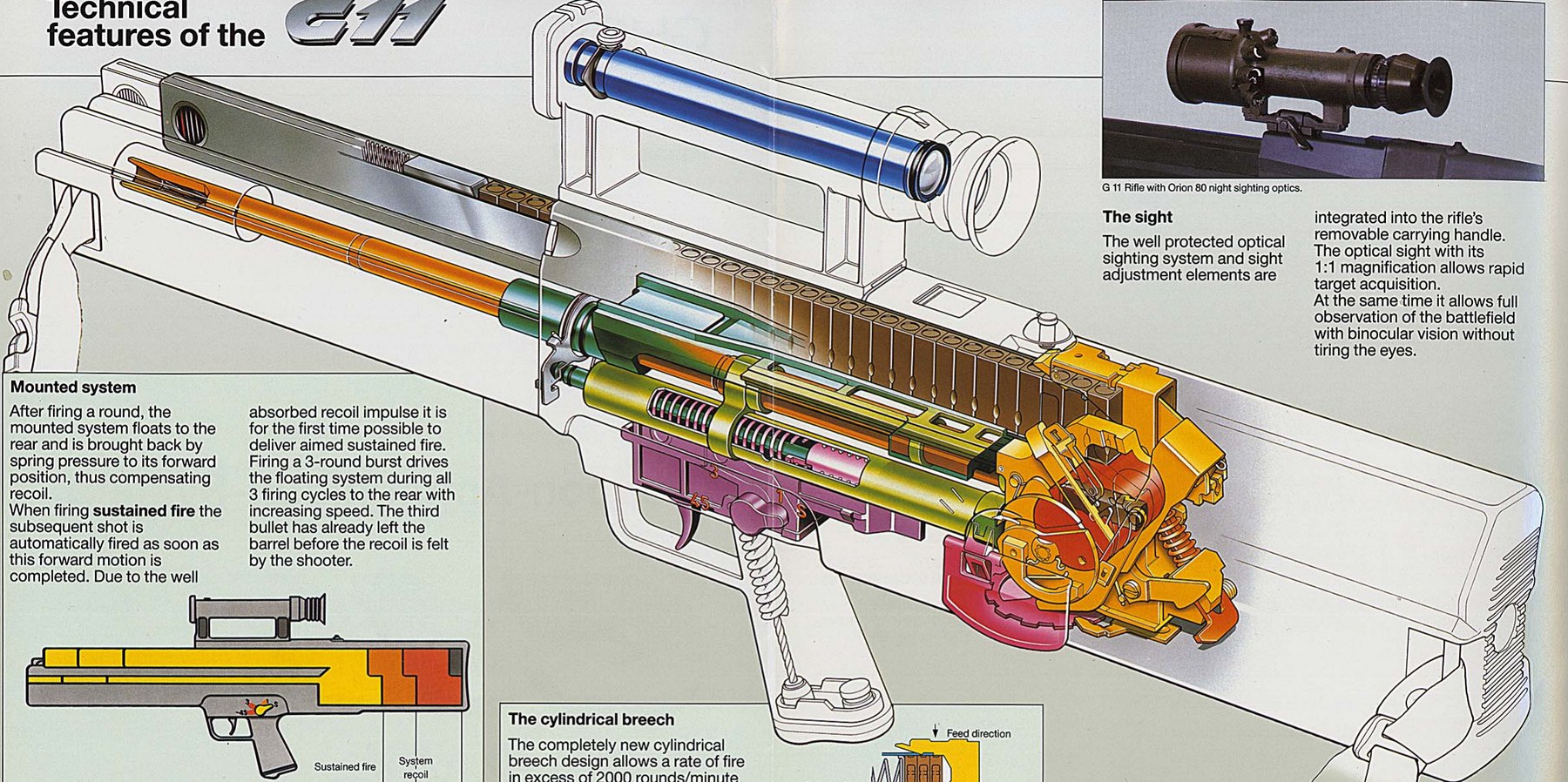
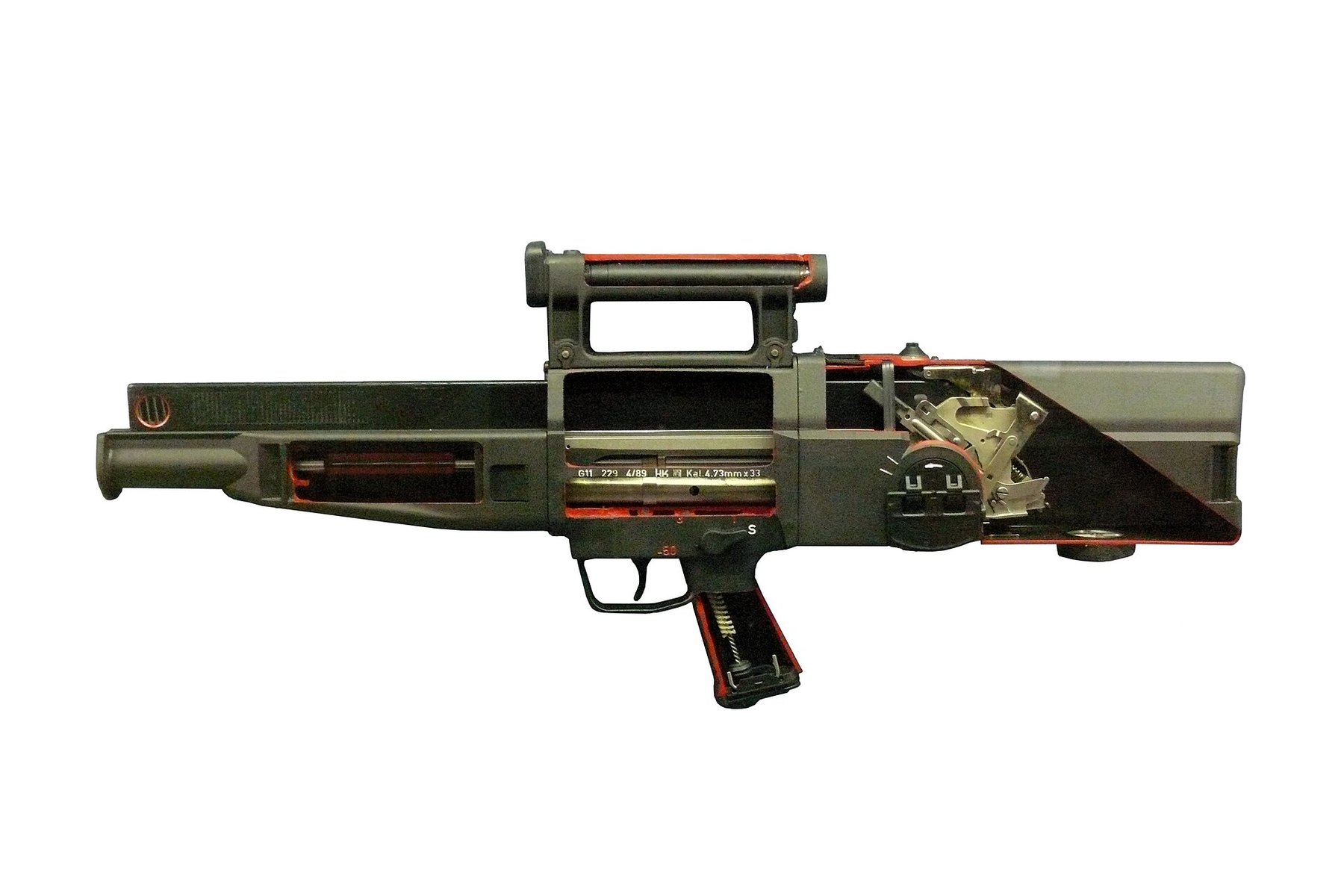
Photo: G11 Schnittmodell by Bojoe · CC BY 3.0

Search every volume:

?

How to search

sten gun
pages with both words
"sten gun"
the words together, as a phrase
sten OR sterling
either one (| works too)
sten -replica
leave out pages that mention “replica”

Without quotes, the last word also matches longer words that start with it (sten finds Stenophylla), and close word forms count (rifle finds rifles). Tick Exact words to match whole words only.

Whole deep dives are listed first, then the pages inside them.

    Volumes
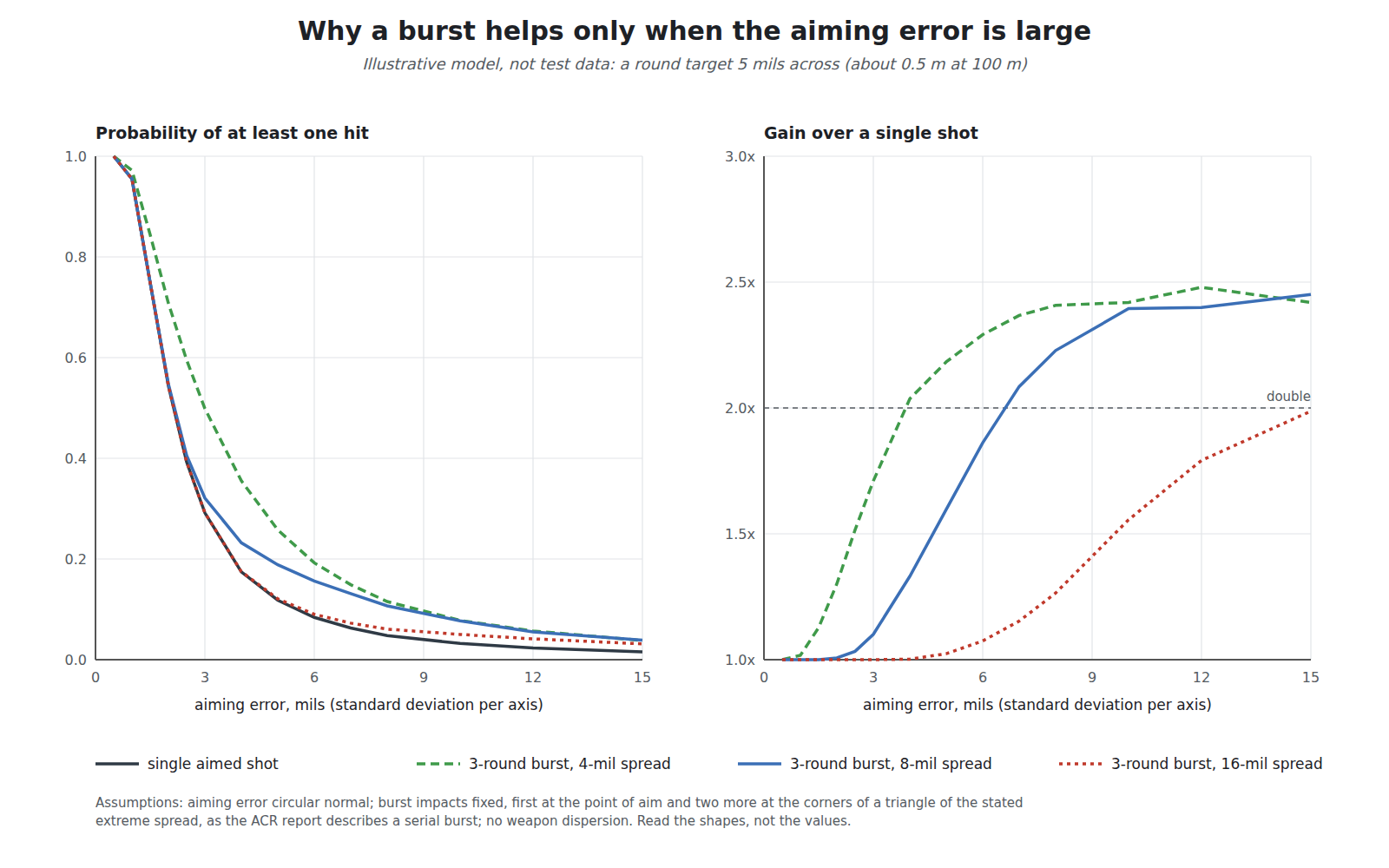
    1. Vol 1 Why Hyper-Burst: Aiming Error, Hit Probability and the SALVO Experiments The 1952 Johns Hopkins study that called the automatic rifle 'valueless' for hitting separated targets, the Fort Benning field experiments of 1956 and 1957, and the timing argument that turned a pattern of shots into a mechanism problem
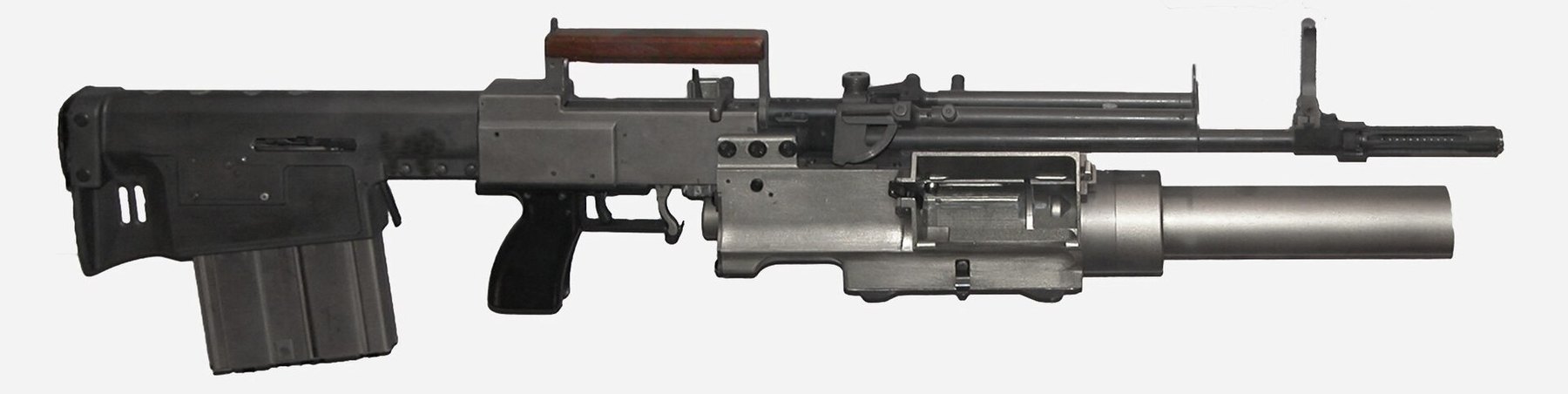
    2. Vol 2 SPIW: Flechettes, Trounds and the First 2,000-Round Bursts The US Army's Special Purpose Individual Weapon of the 1960s, read from the Ballistic Research Laboratories' own test reports: four prototypes, a three-barrelled rifle declared hopeless, a floating barrel that made no difference, and a controlled burst that beat the trigger finger by 30 percent
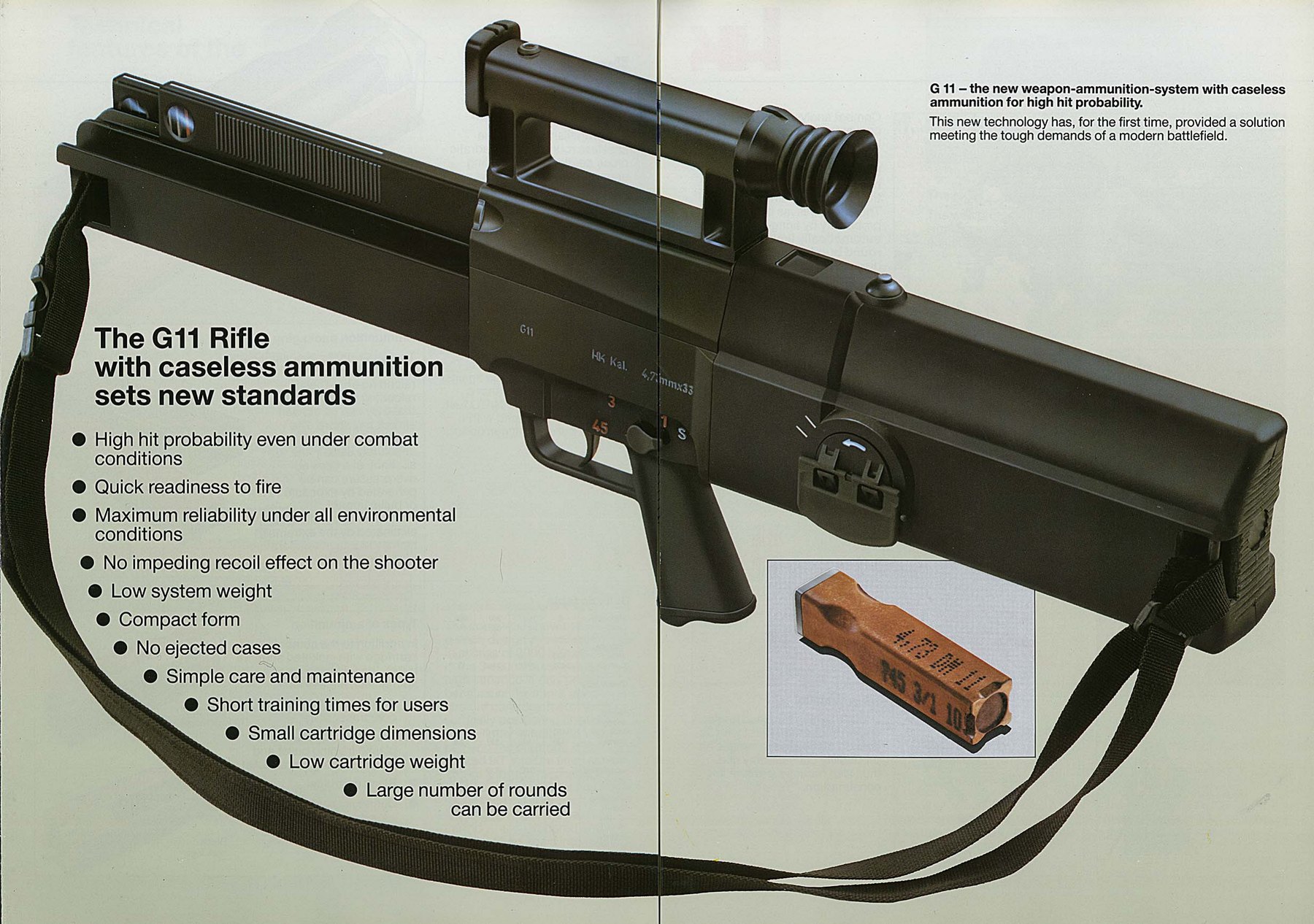
    3. Vol 3 The G11: A Programme History, 1974 to 1993 Heckler & Koch's caseless rifle from its 1974 test-fixture prototype to an introduction approval granted after it had already been struck from the procurement list: the prototypes as the Bundeswehr's own collection labels them, the American money, the Bundestag record and the corrections it forces
    4. Vol 4 How the G11 Works: A Rotating Chamber in a Floating System The G11's cycle at mechanism level, from H&K's own 1989 armourer's manual and brochure and the US Army's 1992 account: a chamber that swings ninety degrees each shot, a barrel-and-breech assembly that recoils inside a sealed housing, a buffer that bottoms after the third bullet has gone, and the gas that kept exploding inside the case
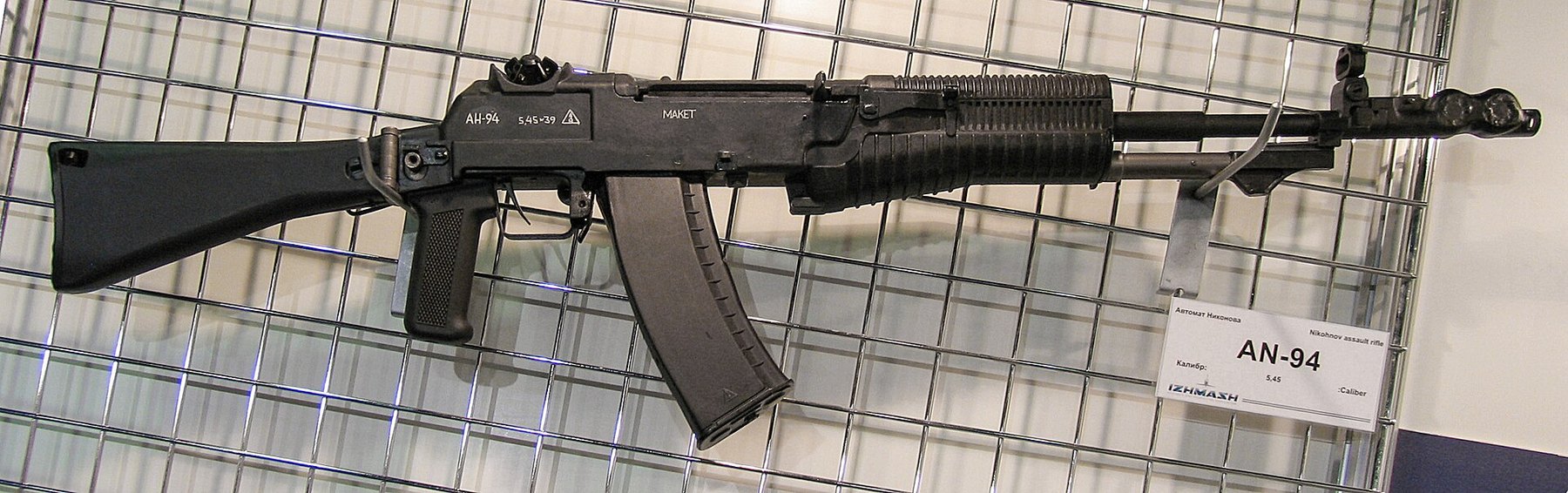
    5. Vol 5 The AN-94: Abakan, Nikonov and the Shifted Recoil Impulse The Soviet competition to beat the AK-74 off-hand, Gennadiy Nikonov's line of prototypes from bullpup to the ASM as the Kalashnikov Museum labels them, and the pulley, cable and rammer that let a 5.45 mm rifle fire two shots at 1,800 rounds a minute before the stock moves
    6. Vol 6 The Advanced Combat Rifle Trials, 1990: What Was Measured The US Army's own final report on its four salvo rifles: how the programme was set up, the two entrants that never reached the field, the instrumented range at Fort Benning, and the result that ended the case for burst fire, with the advertised claims for the G11 and the AN-94 set beside it
    7. Vol 7 Why It Did Not Spread, and Who Can Own One Cost, complexity, maintenance and the field record of the G11 and the AN-94, each claim attributed; what survives and where; and the legal position in the United States and Michigan, where every one of these rifles is a post-1986 machine gun
    8. Vol 8 Modelling the Mechanisms: Non-Firing Kinematic Demonstrators How to show, on a bench, what the G11's rotating chamber and the AN-94's cable-and-pulley feed actually do, with laser-cut acrylic, printed parts and a hand crank: three demonstrator concepts at teaching-model level, and the boundary that keeps every one of them a model of motion rather than a part of a weapon