Search every volume:
Volumes
-
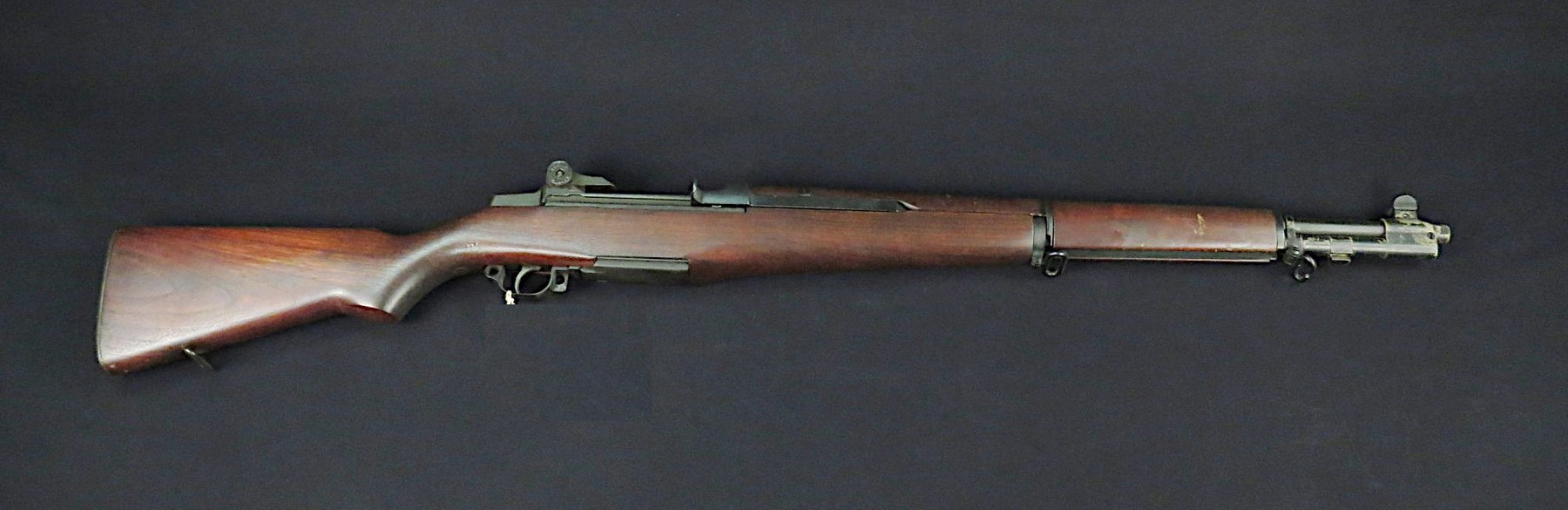 Vol 1 Overview — The Rifle That Went to War in the Army's Own Cartridge
 -
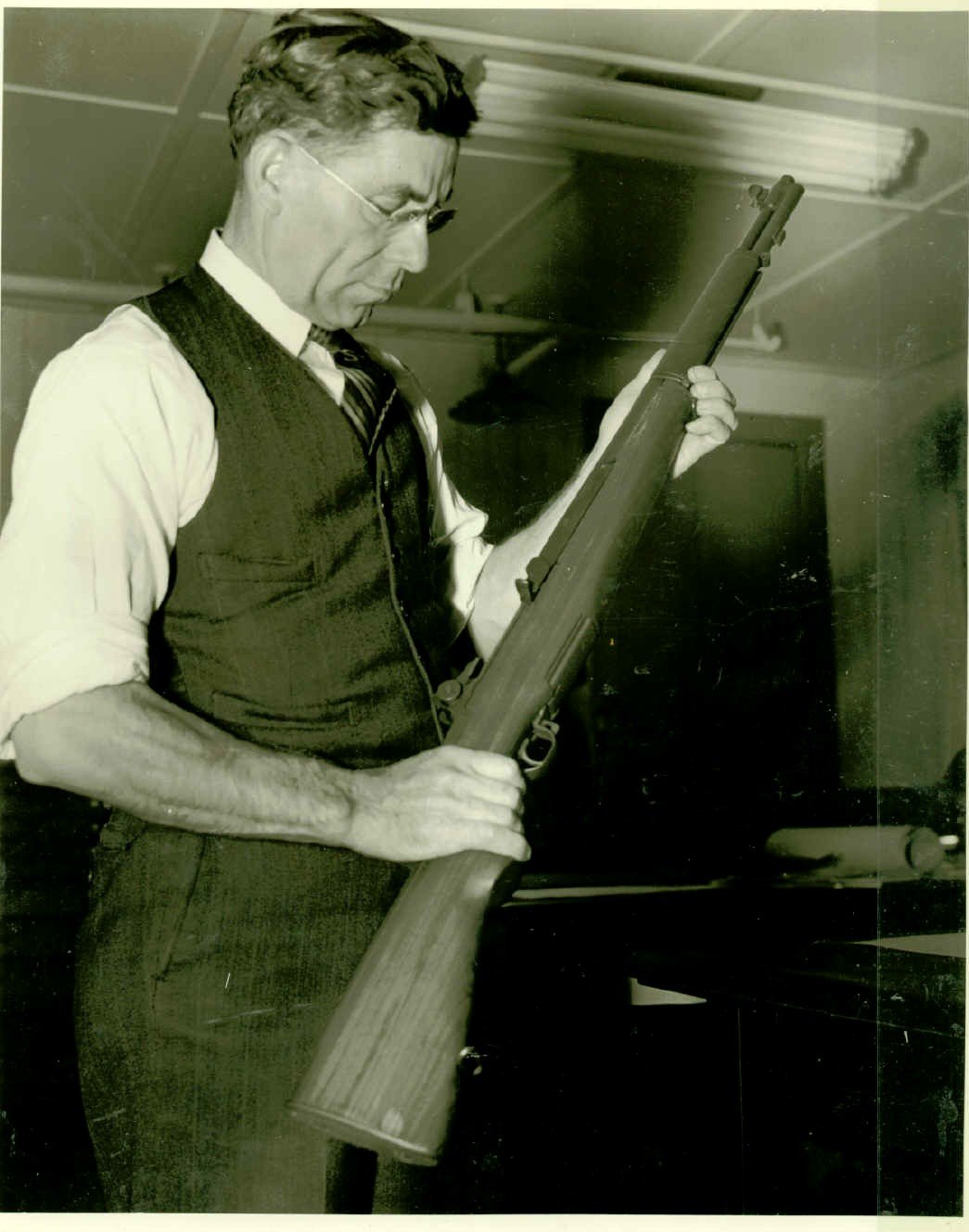 Vol 2 John Garand and the Road to 1936
 -
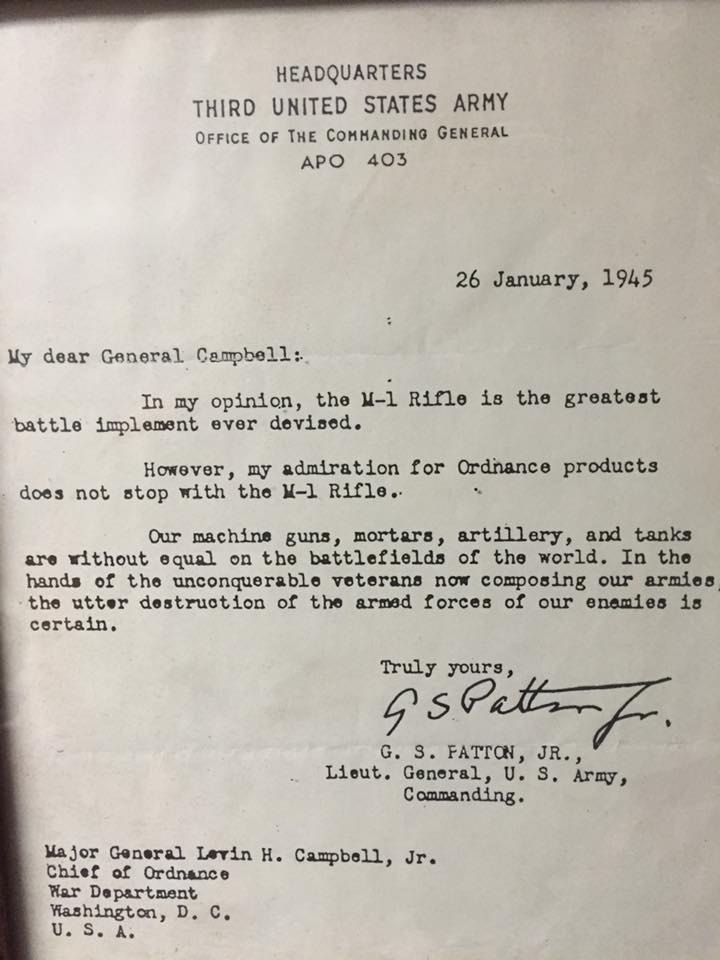 Vol 3 The Wartime Rifle — Springfield and Winchester, 1937–1945
 -
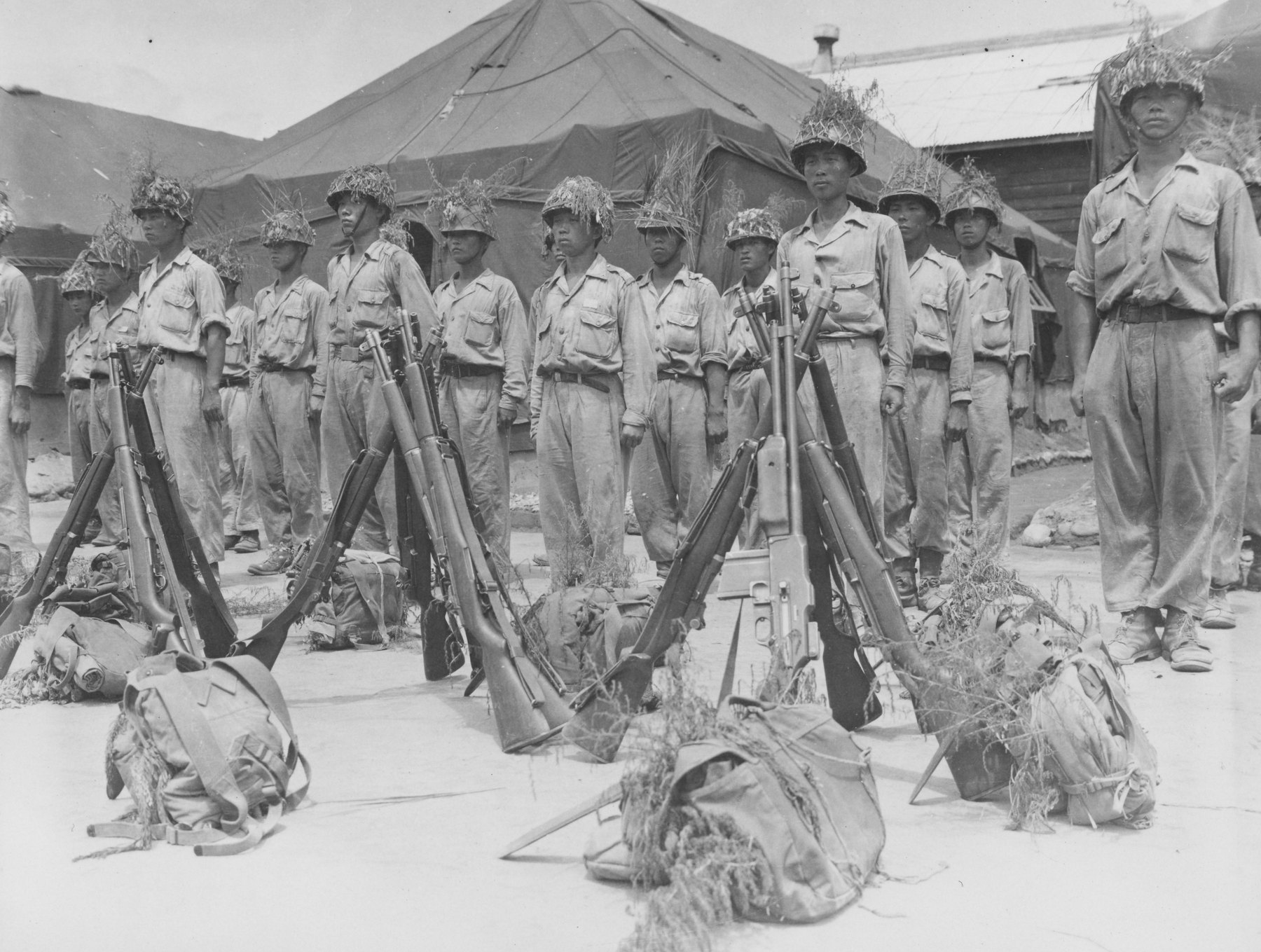 Vol 4 Korea, the Post-War Makers, and the End of Service
 -
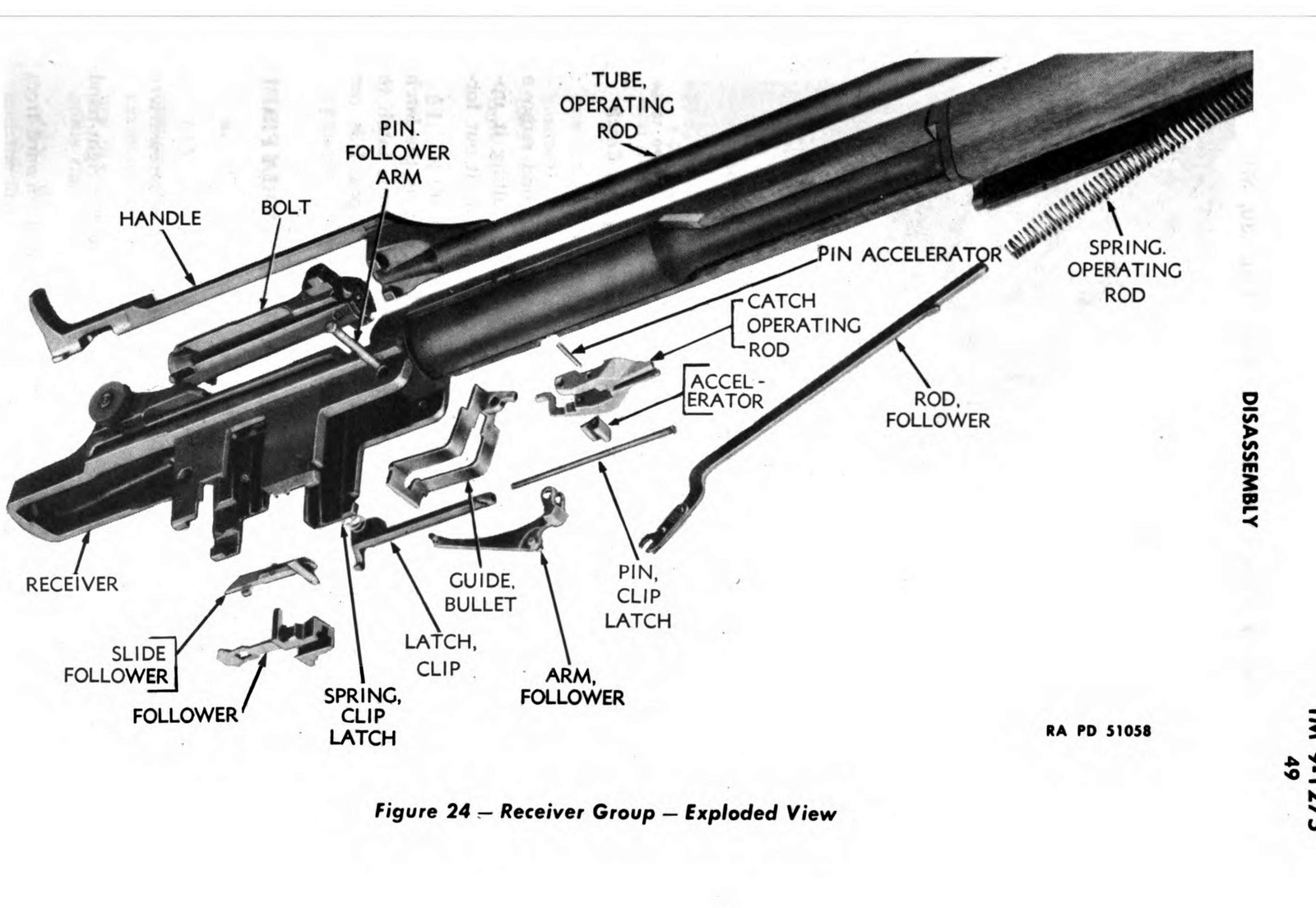 Vol 5 How It Works
 -
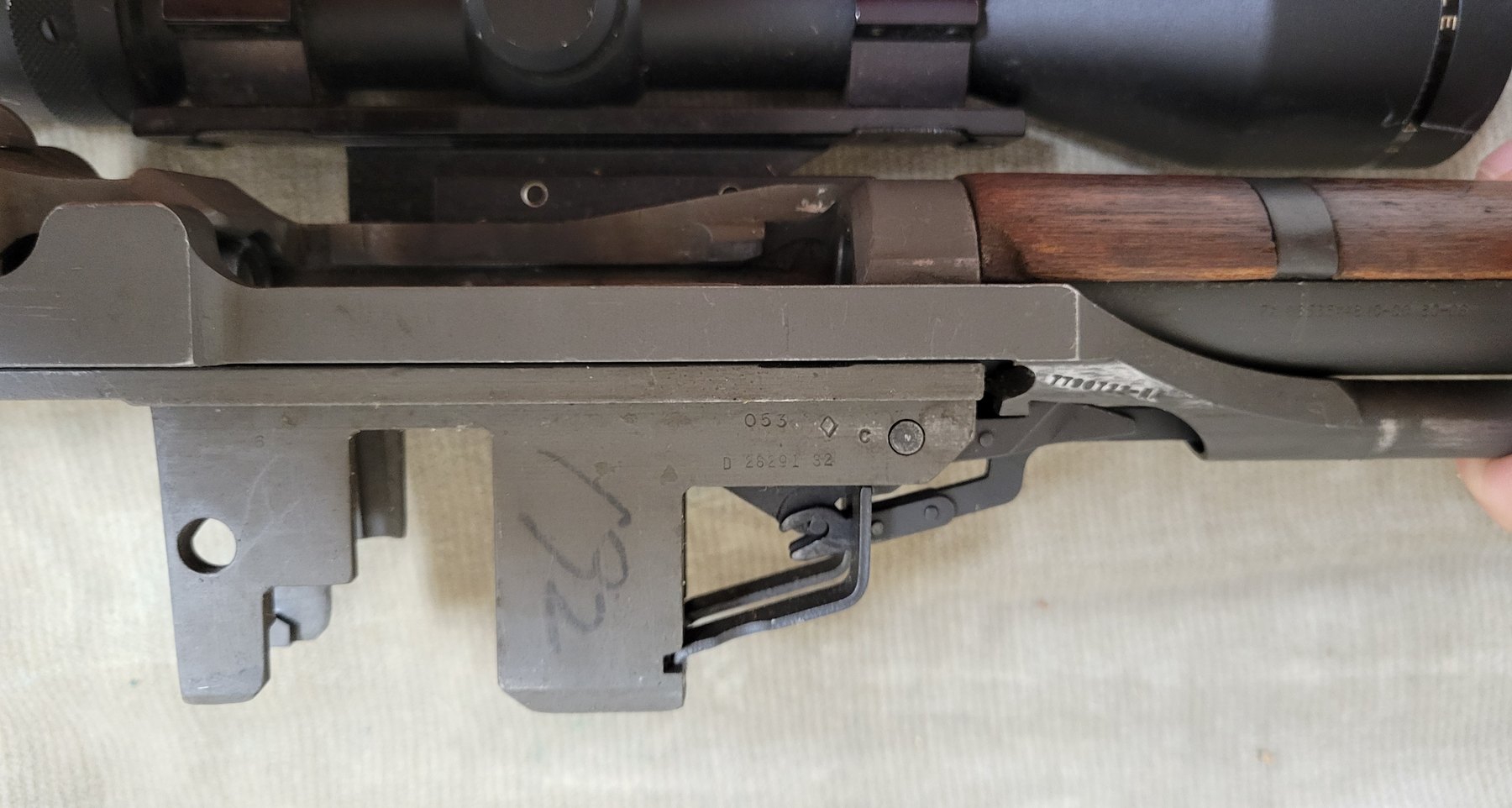 Vol 6 Reading an M1 — Markings, Drawing Numbers and Dating
 -
 Vol 7 Springfield 2450021 — Parts, Dates and Value
 -
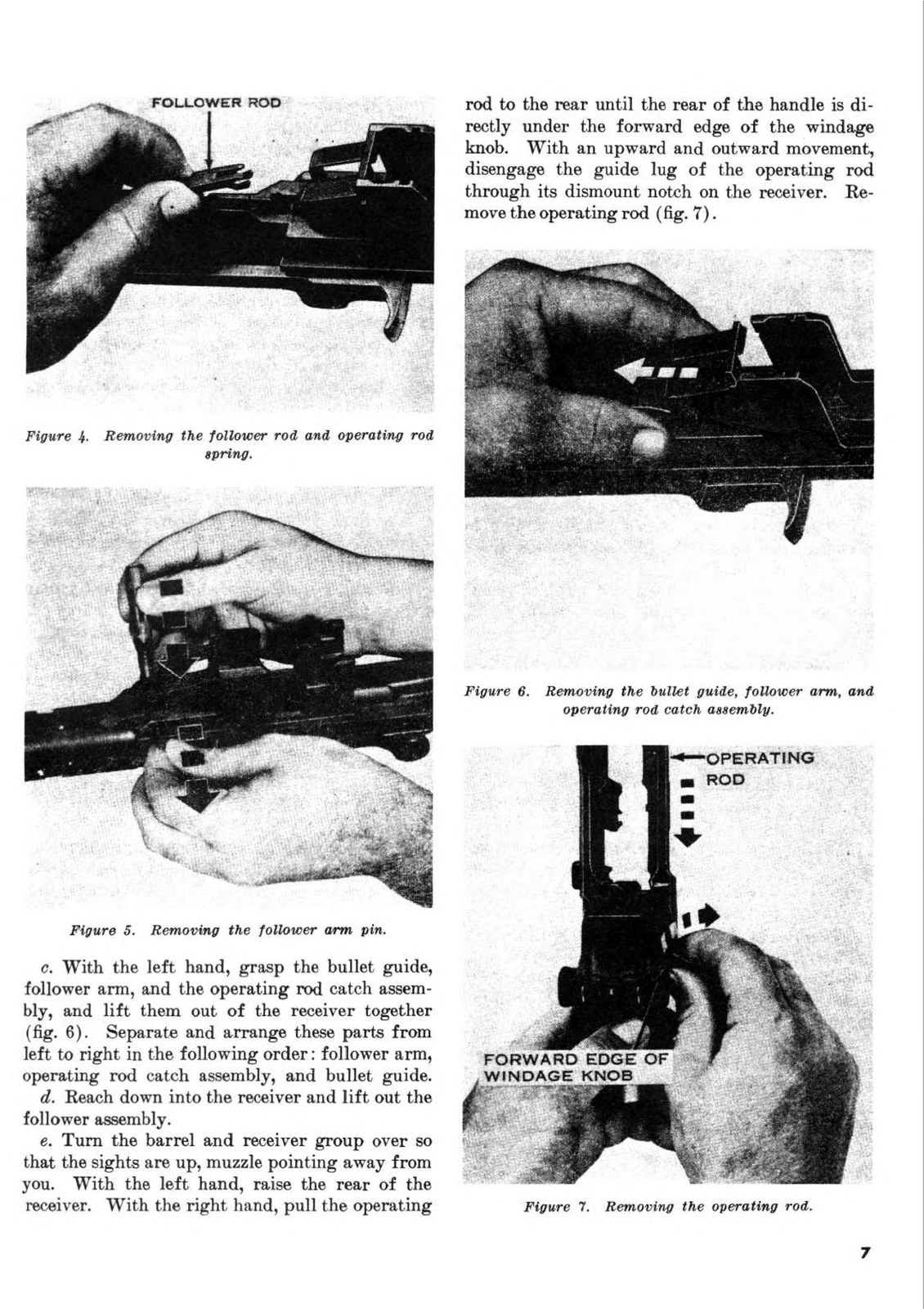 Vol 8 Field Strip
 -
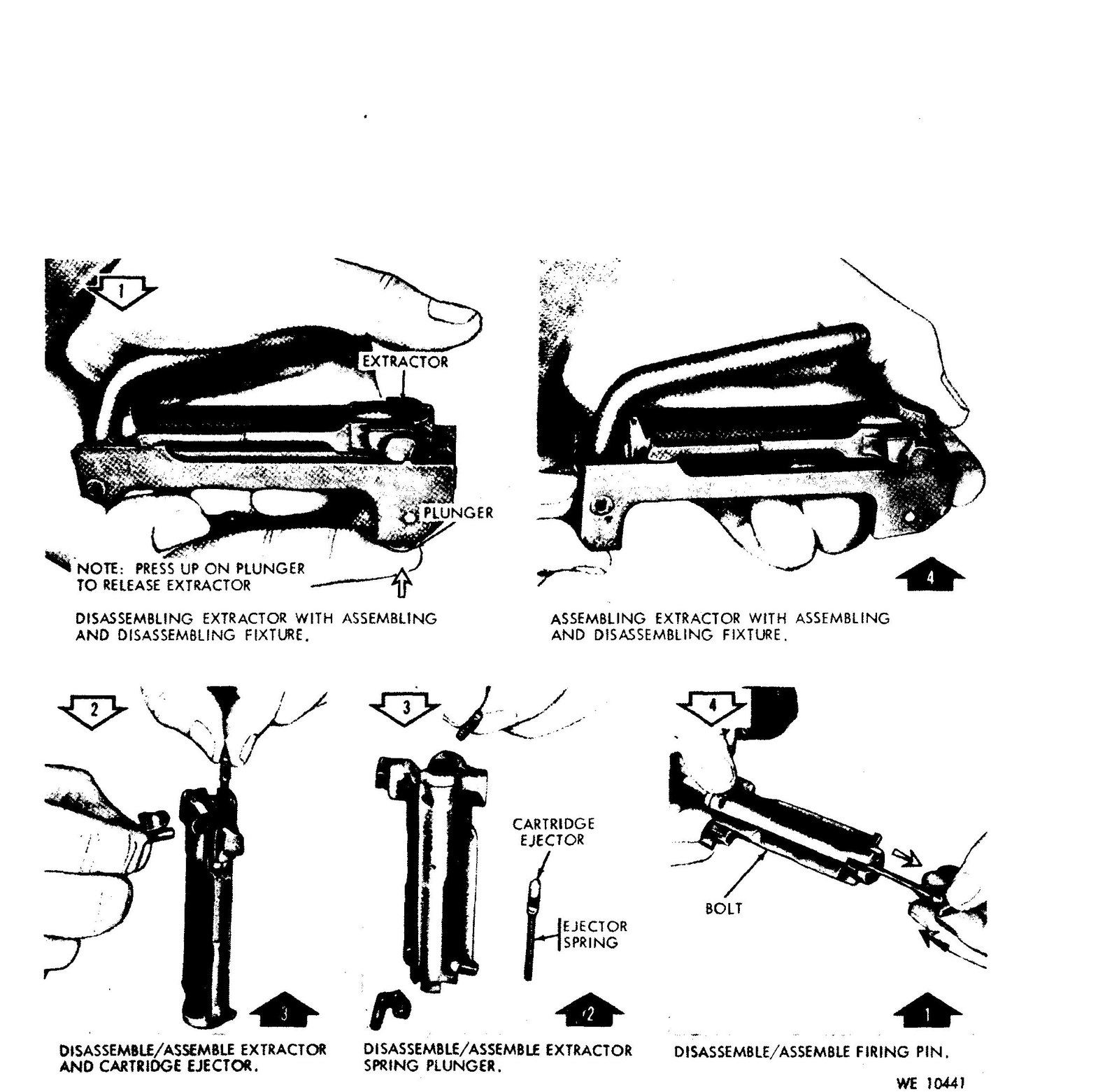 Vol 9 Detail Strip — Bolt, Trigger Group, Gas System, Sights
 -
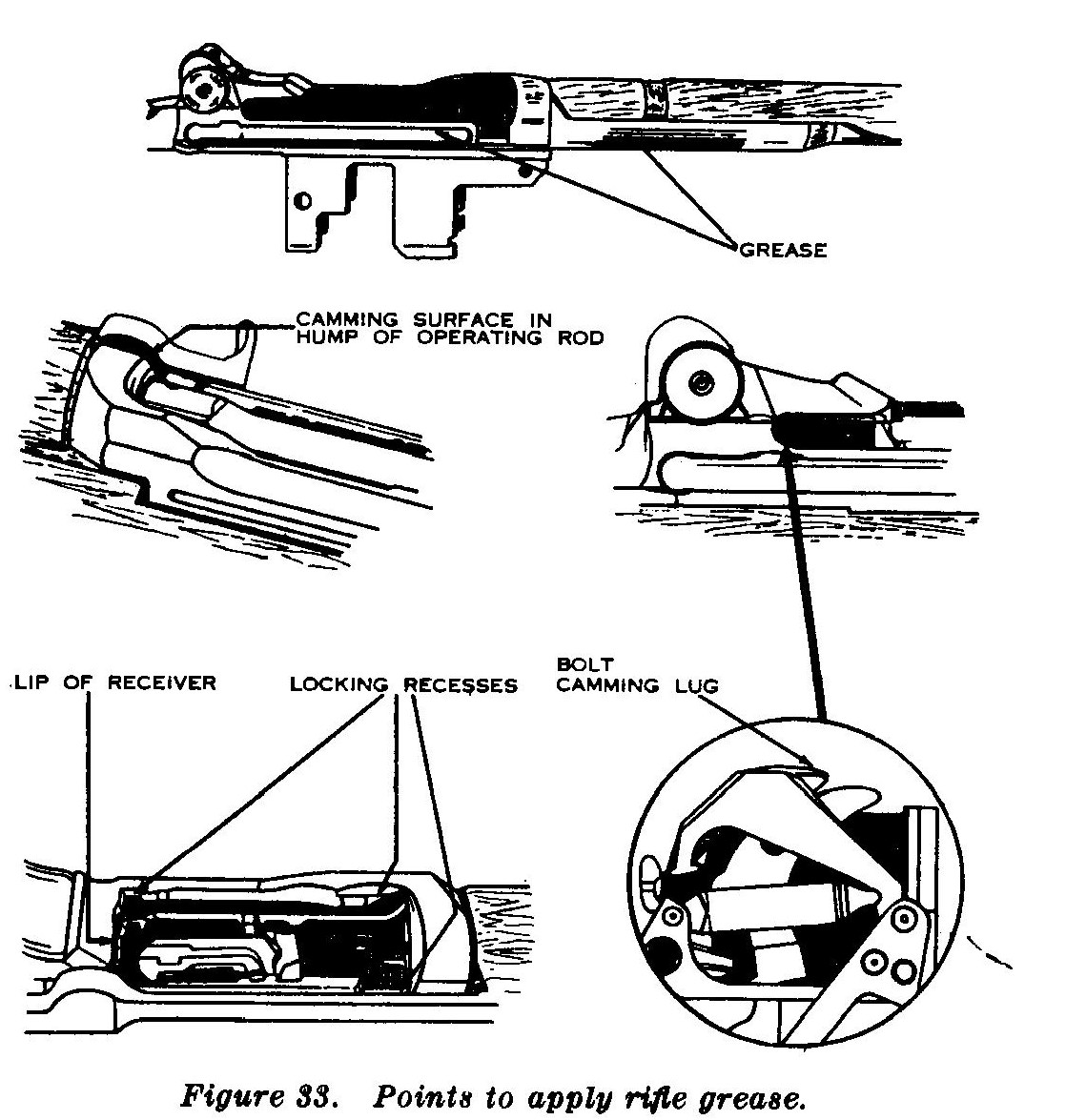 Vol 10 Maintenance, Lubrication and Gauging
 -
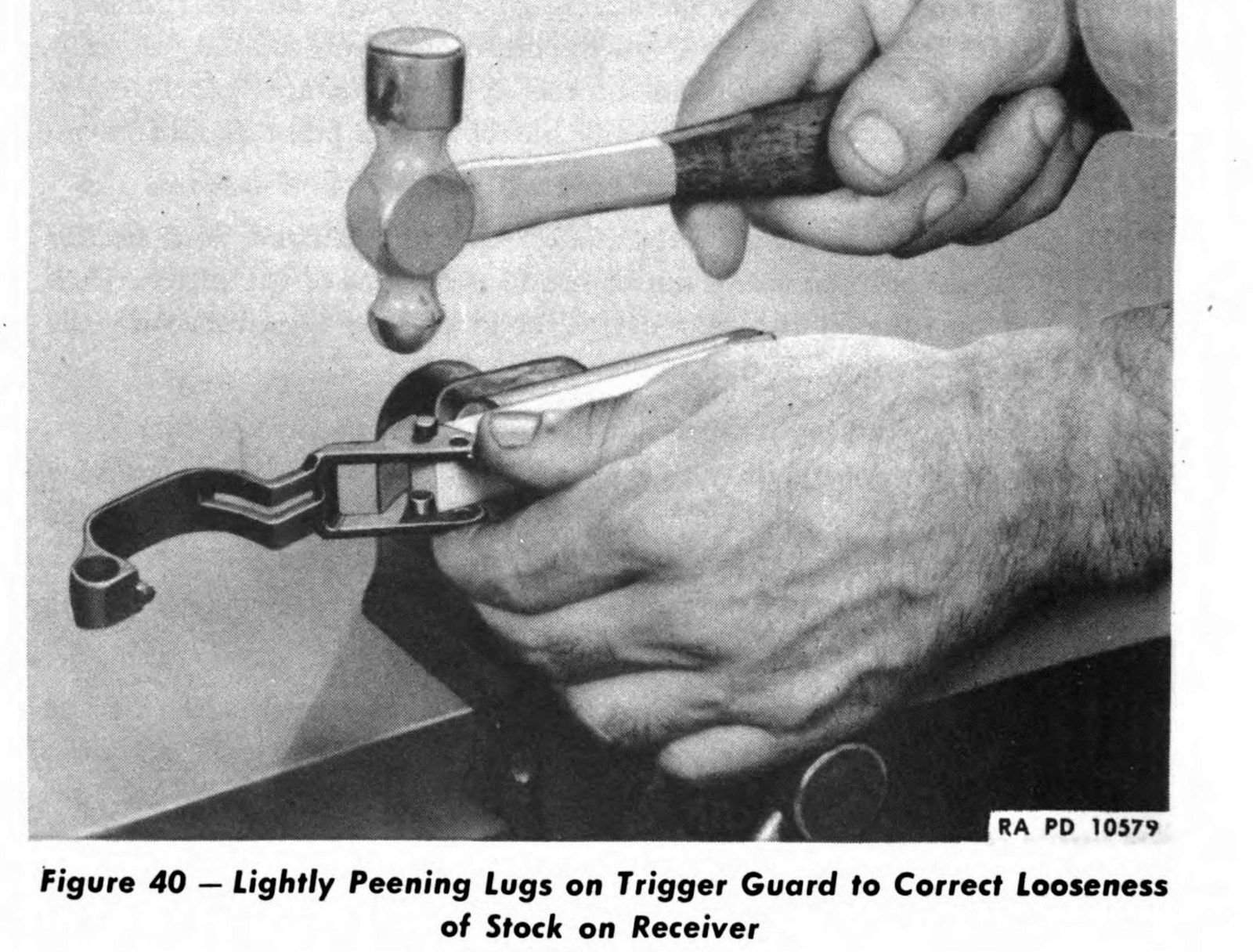 Vol 11 Common Problems and Repairs
 -
 Vol 12 Ammunition — Why the Garand Is Particular
 -
 Vol 13 The Best Ammunition for Each Job
 -
 Vol 14 Bayonets — Which Fit, and How to Mount One
 -
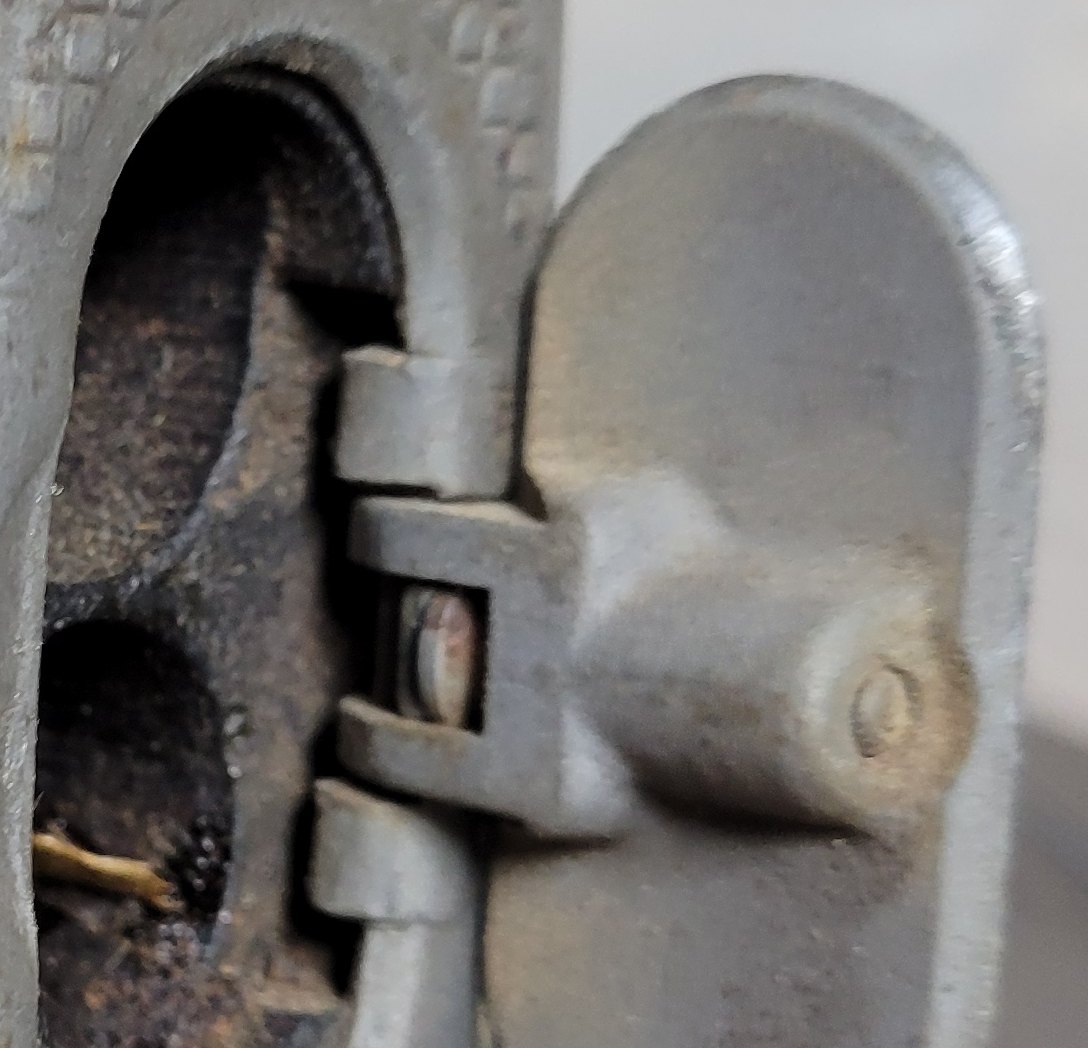 Vol 15 Period Accessories — Slings, Belts, Clips, the Butt-Trap Kit, Grenade Launching
 -
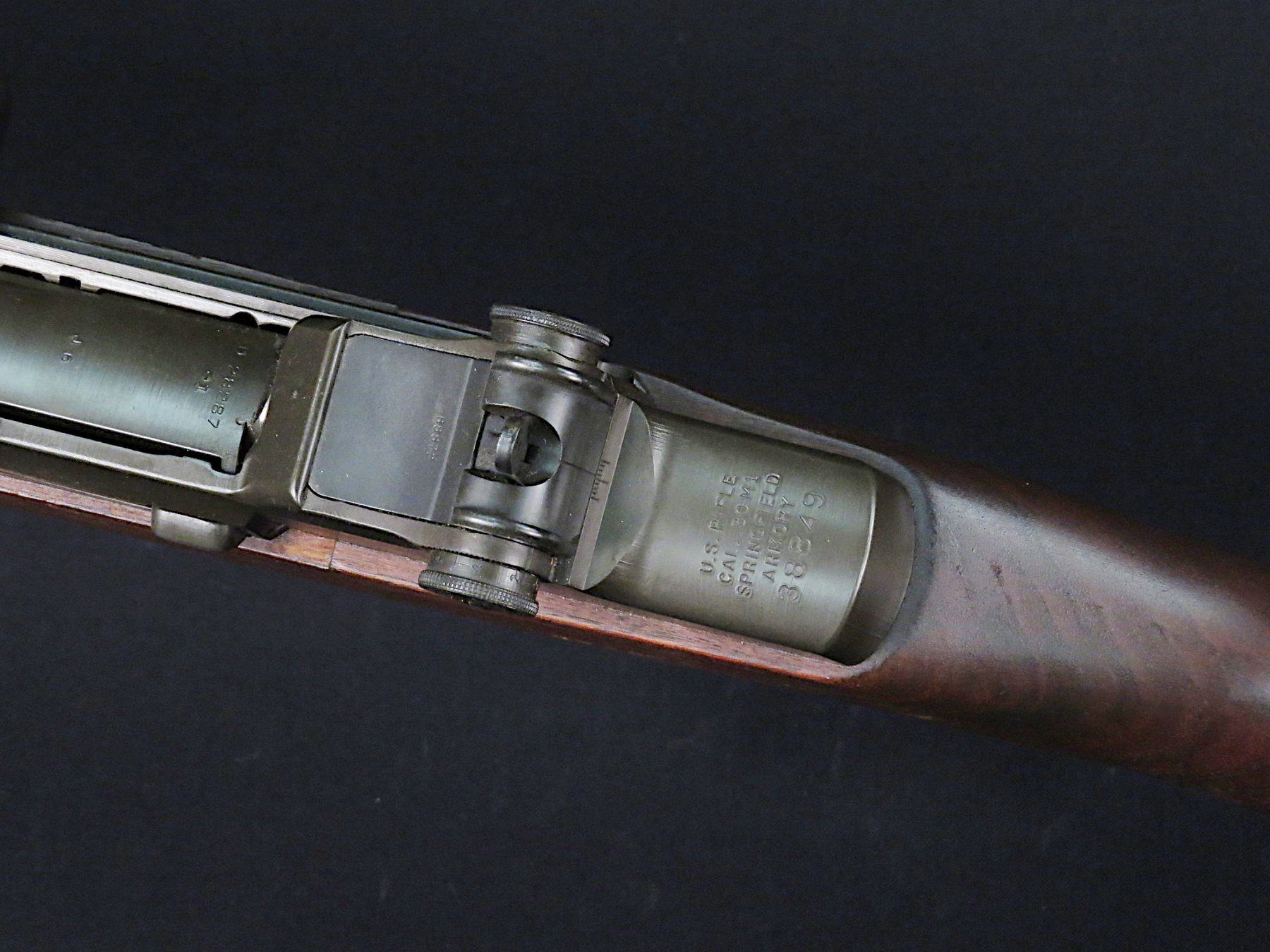 Vol 16 Collecting, Value and Restoration Choices
 -
 Vol 17 Law, Buying from the CMP, and the Cheatsheet