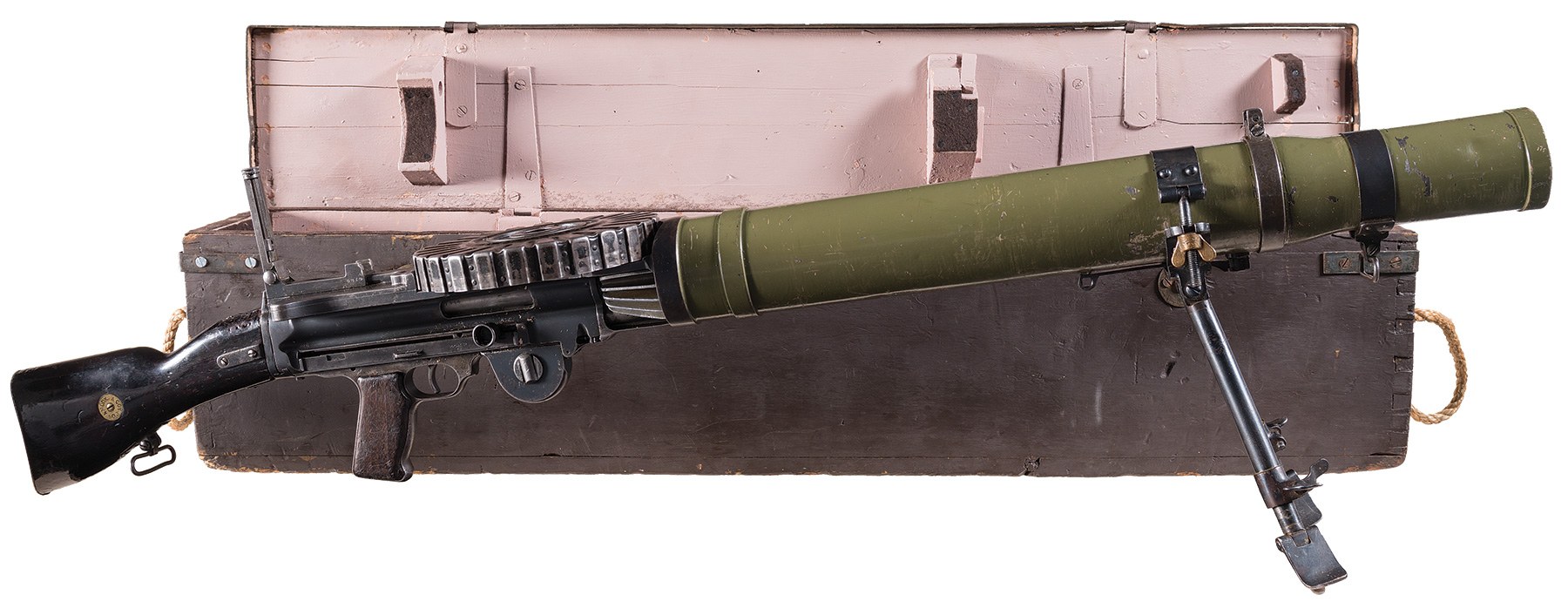
Lewis Gun

Samuel McClean's patents, Isaac Newton Lewis's air-cooled redesign and the 1913 trial the US Army failed it on; BSA and Savage production, the ground and aircraft guns, the US Navy and Marine guns, the Home Guard and the Japanese Type 92; how it works, how to tell the models apart, stripping, care and stoppages from the period manuals, and US law.

Firearms

Lewis Gun · Deep Dive

Lewis Gun

The US Army's rejection was not just a feud: in the 1913 endurance trial the Lewis jammed 206 times and broke 35 parts, and a single dimension, the free travel of the striker post, explains why.

Samuel McClean's patents, Isaac Newton Lewis's air-cooled redesign and the 1913 trial the US Army failed it on; BSA and Savage production, the ground and aircraft guns, the US Navy and Marine guns, the Home Guard and the Japanese Type 92; how it works, how to tell the models apart, stripping, care and stoppages from the period manuals, and US law.

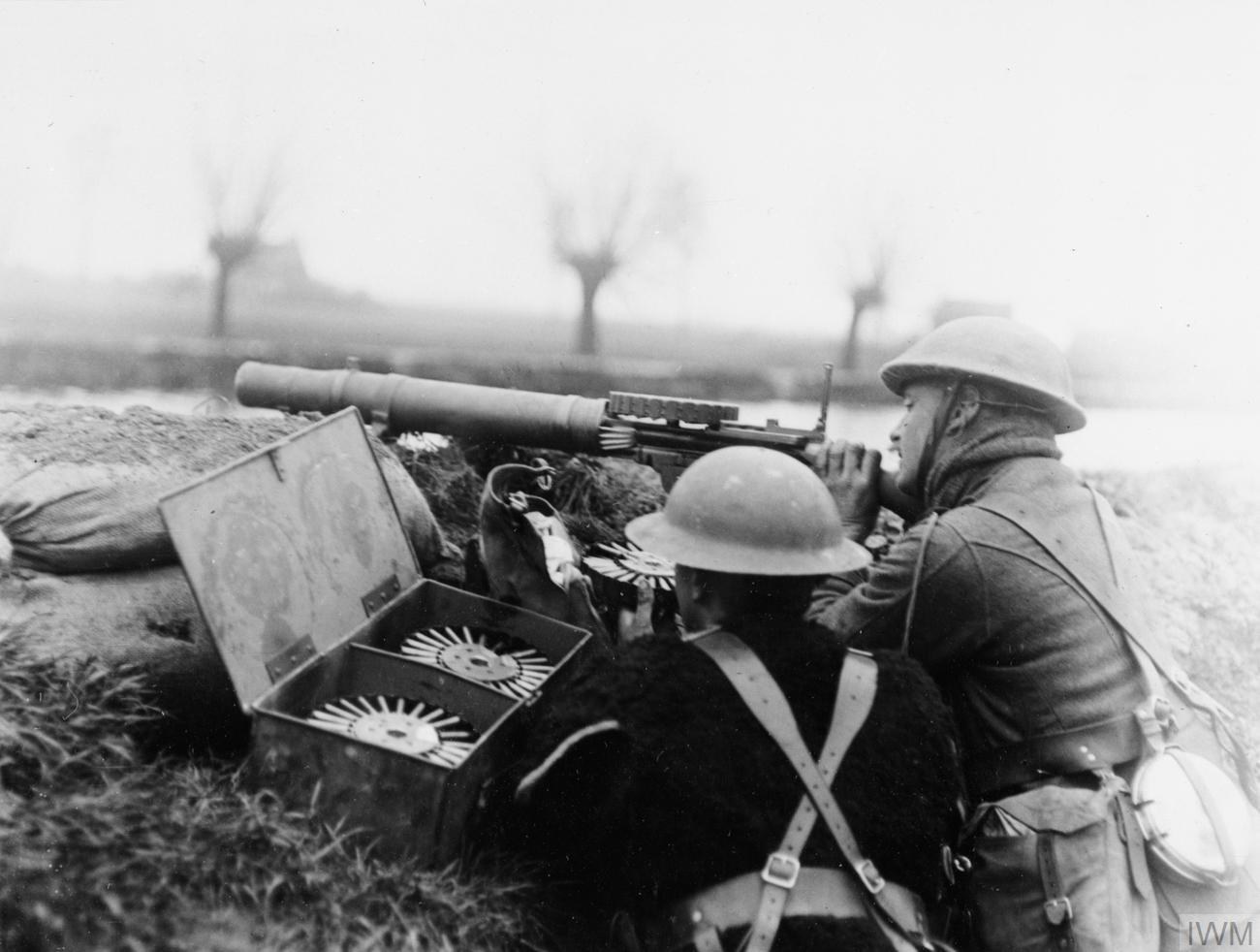
Photo: British Lewis gun team Battle of Hazebrouck 1918 IWM Q 10902 by 2nd Lt T. K. Aitken · Public domain

Search every volume:

?

How to search

sten gun
pages with both words
"sten gun"
the words together, as a phrase
sten OR sterling
either one (| works too)
sten -replica
leave out pages that mention “replica”

Without quotes, the last word also matches longer words that start with it (sten finds Stenophylla), and close word forms count (rifle finds rifles). Tick Exact words to match whole words only.

Whole deep dives are listed first, then the pages inside them.

    Volumes
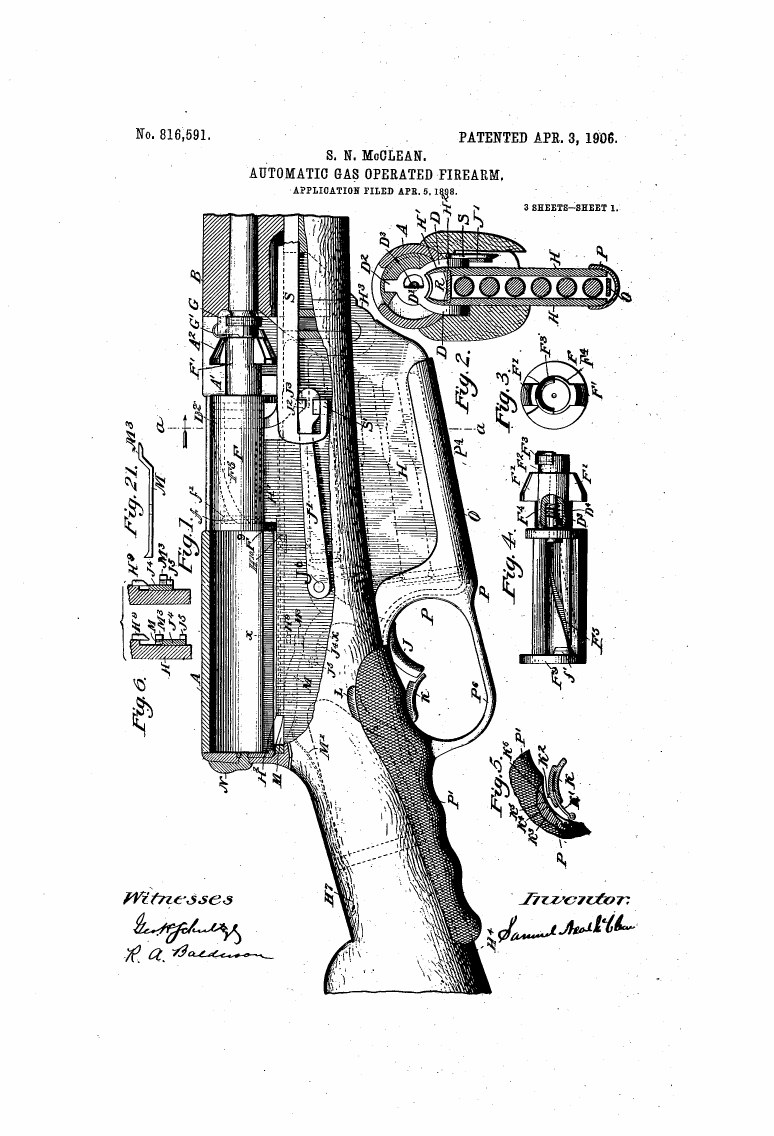
    1. Vol 1 From McClean to Lewis: The Patents, the Company, and the Gun the Army Turned Down A Cleveland doctor's gas-operated gun, an artillery colonel's air-cooled redesign, the 1912 aeroplane firing, and the 1913 Springfield trial that sent the Lewis gun to Europe
    2. Vol 2 Liège, Birmingham, Utica: Making the Lewis Gun and Taking It to War, 1913–1918 Armes Automatiques Lewis, the BSA contracts, Savage's two calibres, two guns a company, the aircraft gun and its 97-round pan, and the Marines who had to hand theirs in
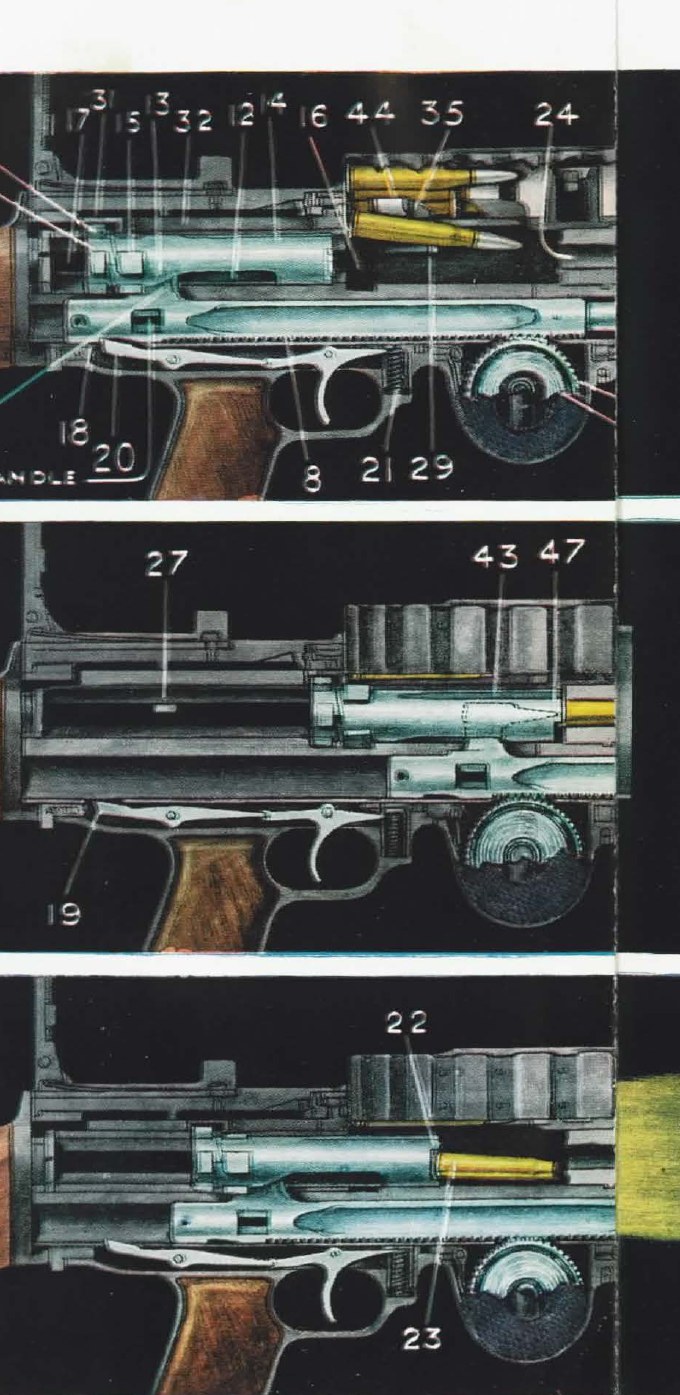
    3. Vol 3 How It Works: Rack, Clock Spring, Striker Post and Pan The Lewis cycle part by part from the Savage handbook and the British manuals: gas, a spring kept out of the heat, a bolt that cannot fire until it has locked, a magazine the gun turns itself, and a radiator driven by the muzzle blast
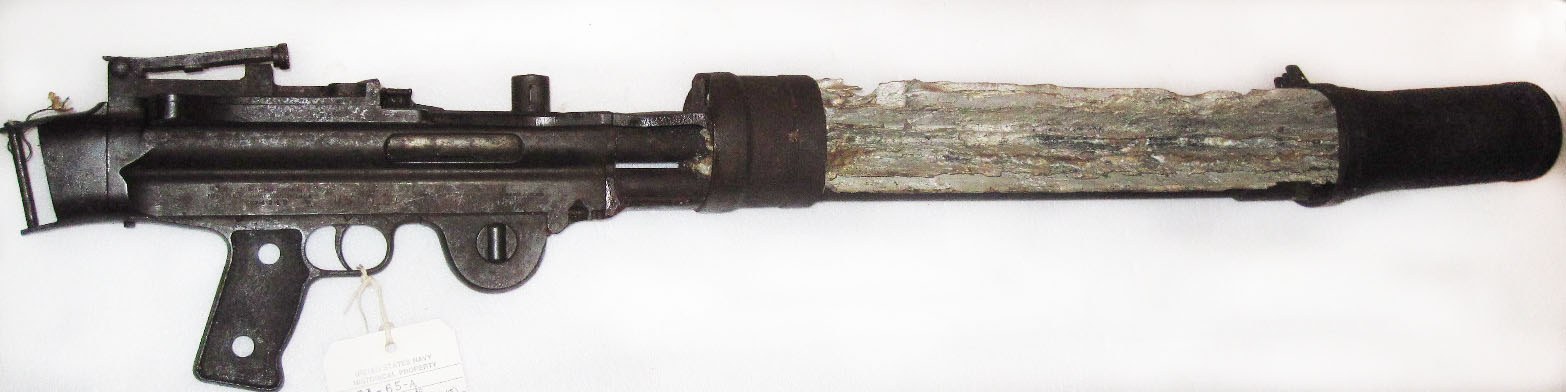
    4. Vol 4 Models, Marks and Markings: Telling One Lewis From Another Ground guns and aircraft guns, BSA and Savage, .303 and .30-06, the British marks, the Japanese Type 92 and the Dutch M.20, with photo plates, the markings that identify a maker, and a table
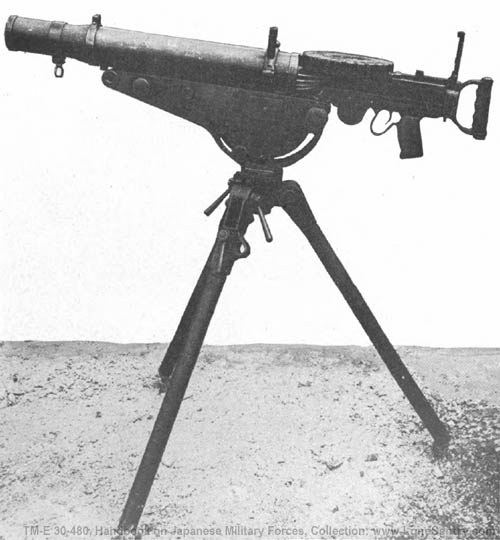
    5. Vol 5 After 1918: Small Armies, the Home Guard, Small Ships and the Type 92 The War Office's verdict of 1929, the Bren, the Lewis guns brought back in 1940 for the Home Guard and the coasts, the US Navy's guns at war again in 1941–42, and the Japanese copy
    6. Vol 6 Stripping, Cleaning and Keeping It Running The field strip and detail strip as the Savage handbook and the British manuals give them, the spring balance, the oil quarrel between Utica and Hythe, the magazine, and the parts the manuals told armourers to watch
    7. Vol 7 Stoppages, Immediate Action and Repair Why a Lewis stops, how the gunner was taught to tell from the cocking handle what had gone wrong, the separated case and the clearing plug, the runaway gun, headspace, and what breaks
    8. Vol 8 Owning One in the United States Why a transferable Lewis exists, the war trophies and the 1968 amnesty, dewats and what reactivation means in law, curio-and-relic status, the auction evidence, and Michigan