Reference Electronics

The shared light-gun hardware design: MCU, IR camera, inputs, solenoid and rumble drivers, the screen LED bar, a proposed schematic and a full BOM.

Firearms

Reference Electronics · Deep Dive

Reference Electronics

One board design for every build that follows.

The shared light-gun hardware design: MCU, IR camera, inputs, solenoid and rumble drivers, the screen LED bar, a proposed schematic and a full BOM.

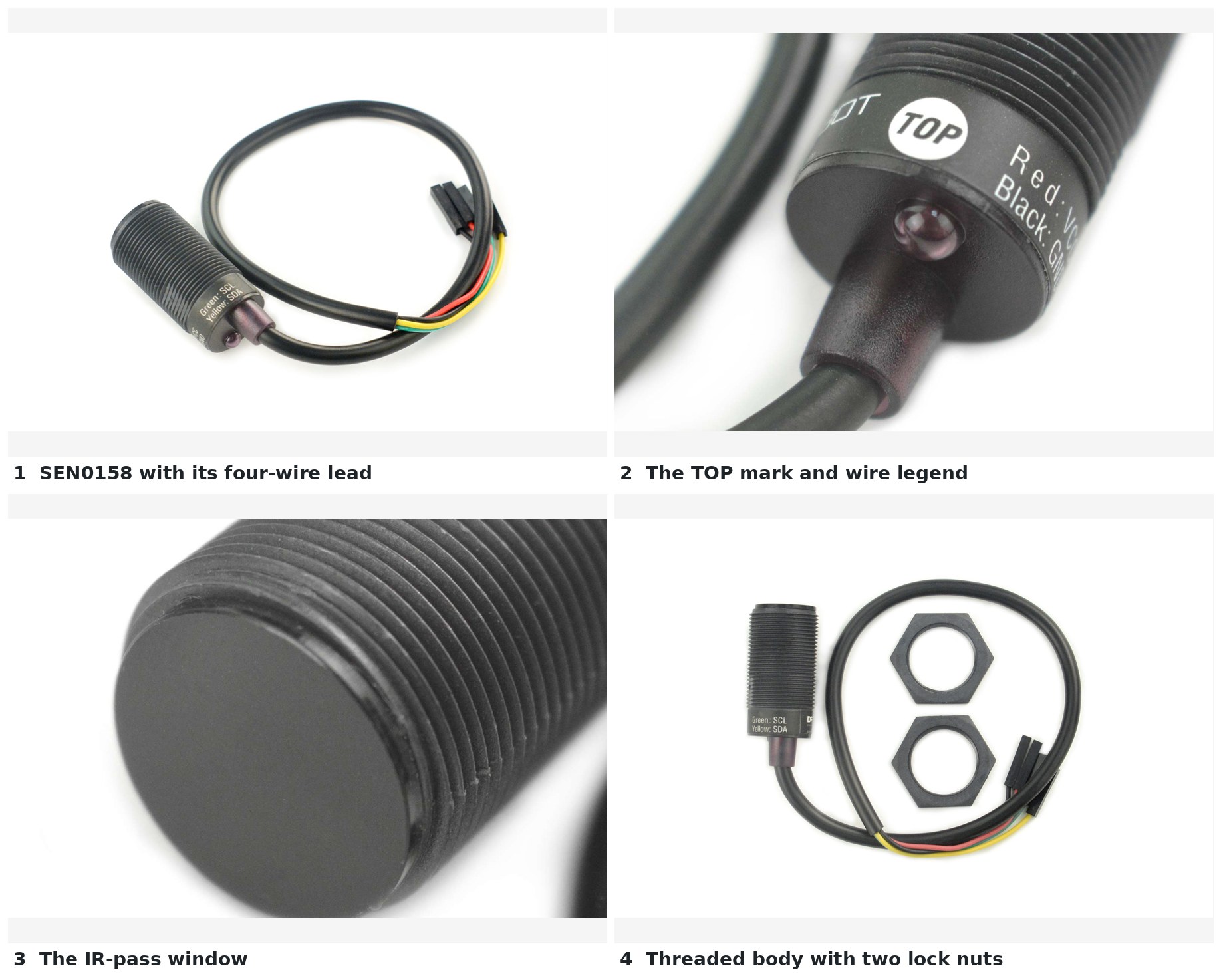
Photo: DFRobot SEN0158 IR positioning camera by DFRobot

Search every volume:

?

How to search

sten gun
pages with both words
"sten gun"
the words together, as a phrase
sten OR sterling
either one (| works too)
sten -replica
leave out pages that mention “replica”

Without quotes, the last word also matches longer words that start with it (sten finds Stenophylla), and close word forms count (rifle finds rifles). Tick Exact words to match whole words only.

Whole deep dives are listed first, then the pages inside them.

    Volumes
    1. Vol 1 System Architecture — What the Board Has to Do, and Why One USB light gun, five electrical domains, and the requirements the OpenFIRE firmware fixes before a single trace is drawn
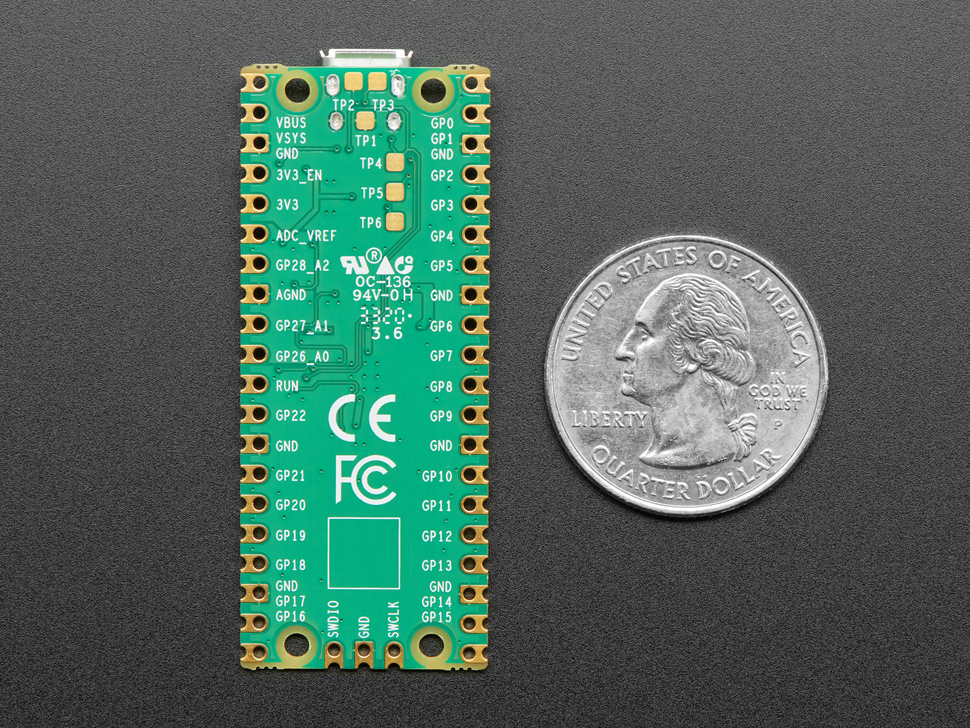
    2. Vol 2 The Microcontroller Board — Pico, Pico 2 and the Alternatives Which boards the firmware actually supports, the pin map it expects, the I2C and SPI pin rules, a silicon erratum that changes a pull-down resistor, and what to buy
    3. Vol 3 The IR Positioning Camera — Module, Bus, Mounting and Field of View The DFRobot SEN0158 every guide names and nobody can buy from DFRobot, the Wii sensor kept as a bench stopgap, the PixArt PAJ7025R3 chosen for kits, and the arithmetic of seeing four dots
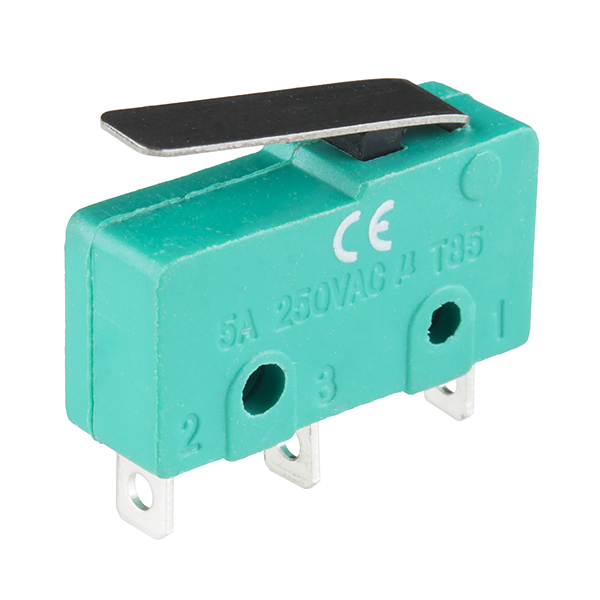
    4. Vol 4 Inputs — Switches, a Hall-Effect Trigger, Debounce and the Harness How a Hall-effect trigger, a dozen buttons and a temperature sensor are wired into a gun, what the firmware already does about bounce, which Hall sensor and magnet, and the low-power one that would make a trigger 200 ms late
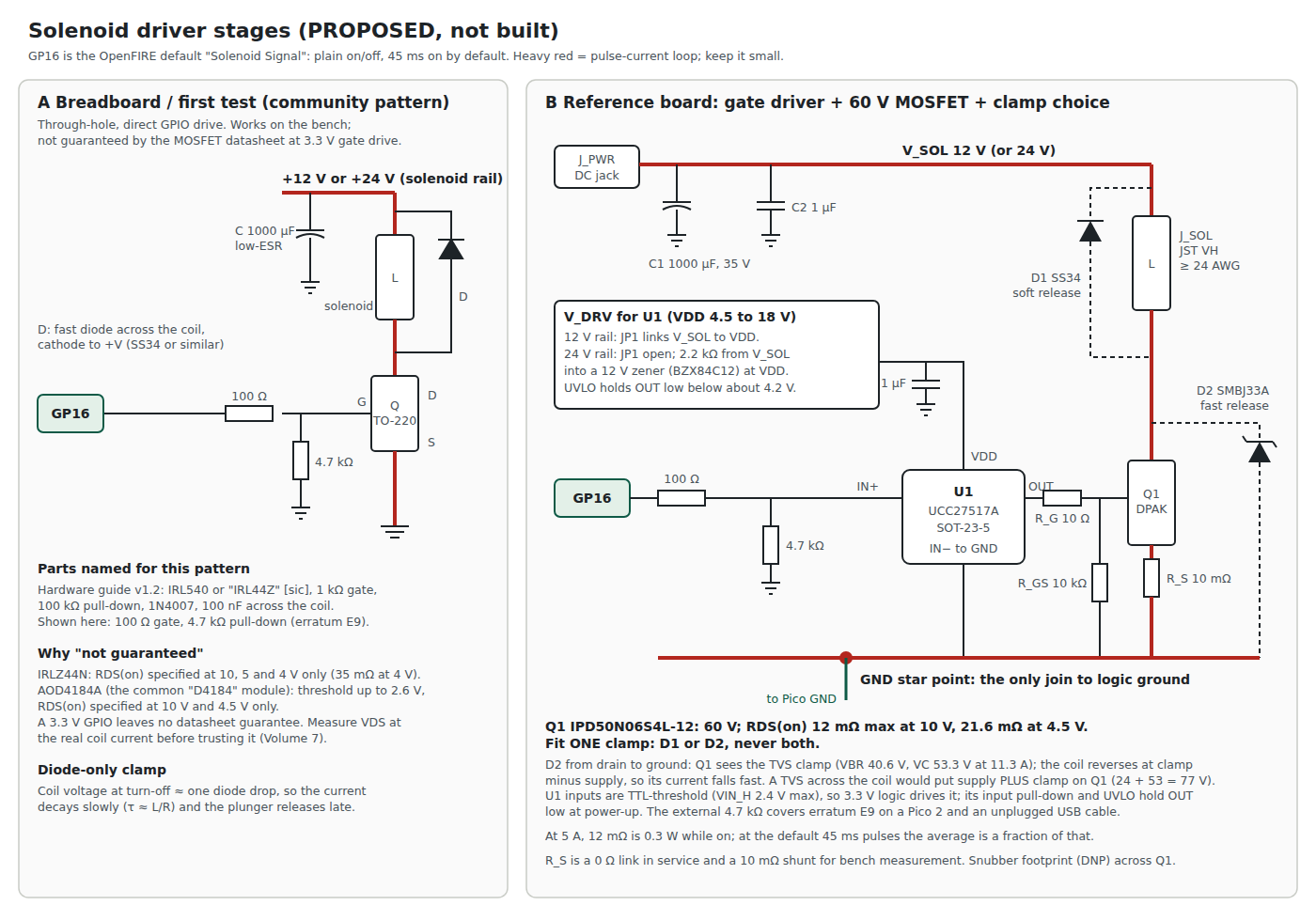
    5. Vol 5 Output Stages — Solenoid and Rumble Drivers, Clamps and LEDs Why the usual MOSFET is out of its datasheet at 3.3 V, a regulated-current stage for the carrier, where the TVS goes, why two stages never fire together, and the small parts that keep a solenoid from firing on its own
    6. Vol 6 The Screen IR Emitter Bar — Wavelength, Current and Layout 940 or 850 nm, what \"SFH 4547 with 5.6 Ω\" actually means, and a constant-current bar that does not care which LED or which adapter it gets
    7. Vol 7 Breadboard Bring-Up — What to Measure, With What, and What Counts as a Pass A staged plan for the first bench build: one electrical domain at a time, with the test points, instruments and pass criteria that turn this dive's open numbers into measured ones
    8. Vol 8 The Carrier Board and the Custom PCB — Proposed Schematic and Notes for Altium Stage 1, a Pico on a four-layer carrier board inside an MP7 with regulated solenoid stages and two camera options, its cable leaving through the magazine base plate, net by net; Stage 2, the custom board, kept as notes for later
    9. Vol 9 Bill of Materials — Part Numbers, Sources and Dated Prices The breadboard kit, the reference carrier board and the emitter bar, every line with its manufacturer part number and, where a seller's page could be read, a price dated 2026-10-18