Search every volume:
Volumes
-
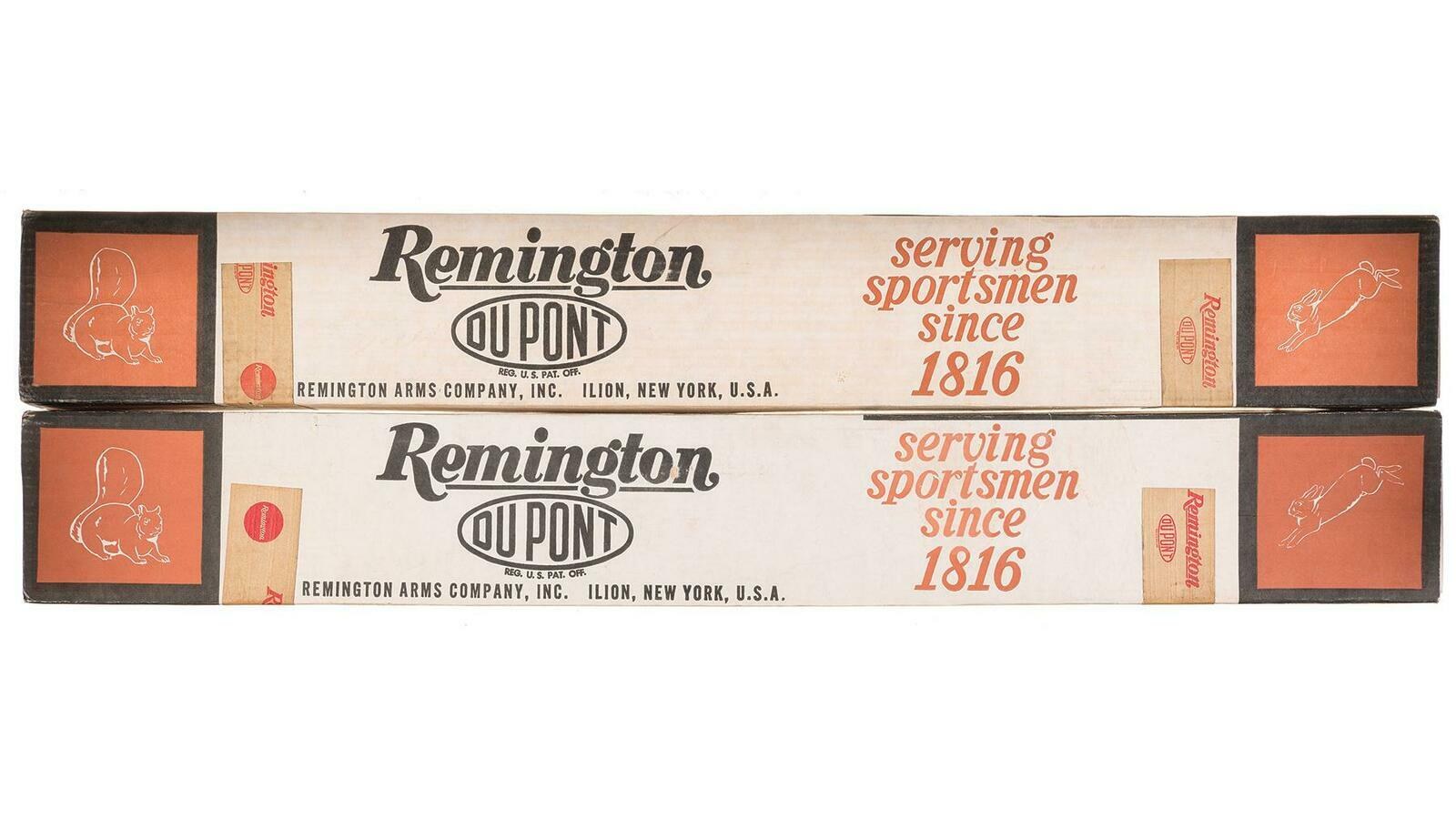 Vol 1 Origins — DuPont, Zytel 101 and the Model 555 How a chemical company's control of a gunmaker produced the first mass-market rifle whose receiver is plastic: the cost problem, the twelve-point material specification, the patents, the prototype and the name
 -
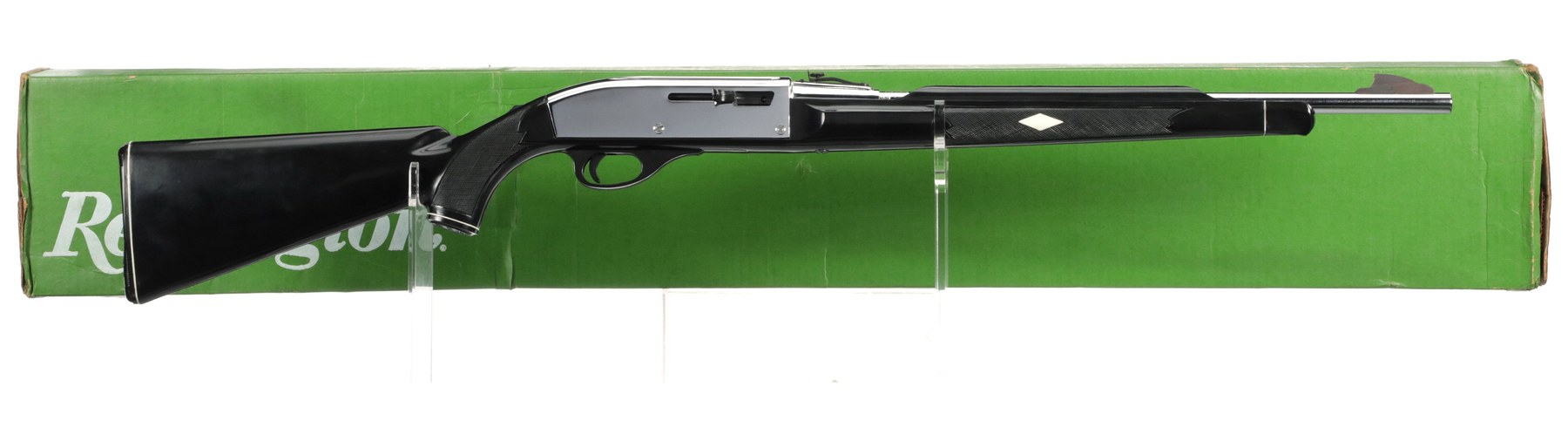 Vol 2 Selling the Gun of Tomorrow — Launch, Records and How Many Were Made The 1959 launch and its claims, Tom Frye's 100,010-block exhibition, the lifetime stock guarantee, and every published production figure set side by side, including why the million-rifle total and its colour breakdown are not independent
 -
 Vol 3 How It Works — A Receiver Made of Nylon The moulded shell, the barrel mount, the cover and its five jobs, the bolt and the sliding striker in nylon tracks, Homer Young's sear block, feeding from the butt, and how the lever, bolt and box-magazine relatives differ
 -
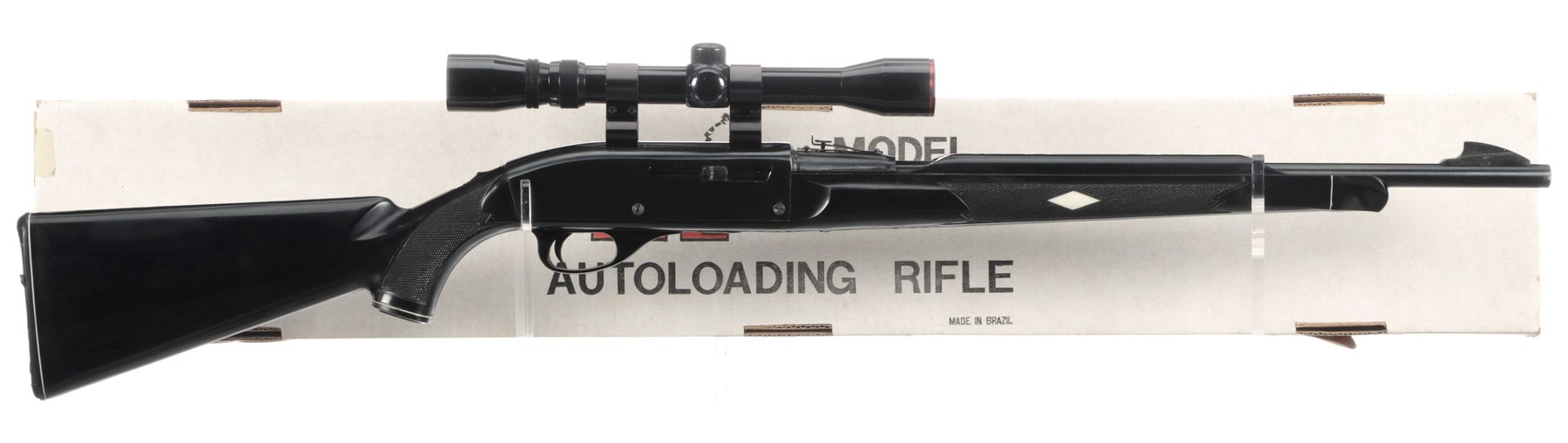 Vol 4 The Family, and How to Tell Them Apart Every Nylon model and colour with the maker's own dates, side-by-side comparison plates and close-ups of the features that separate them, drawings of the variants nobody photographed, and the Brazilian copies
 -
 Vol 5 Takedown, Maintenance and Repair Remington's own field strip and jam-clearing procedure, why the detail strip is where owners come unstuck, what solvents do to nylon on DuPont's own data, the parts that wear and break, and what can be fixed at the bench
 -
 Vol 6 The Look — A Moulding That Was Told to Look Like Walnut Why the Nylon 66 looks the way it does, argued from how it was made: the two-part mould, the cross-bolts under the diamonds, the steel cover that exists to be a disguise, the pigment that was mixed to imitate wood, and why a rifle designed to look conventional reads as space-age now
 -
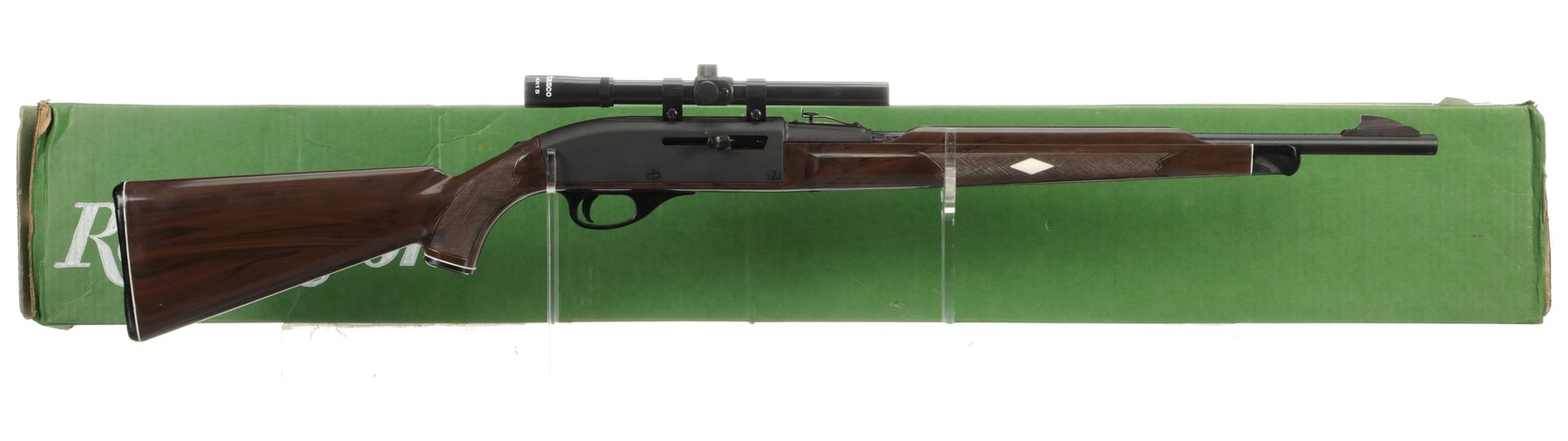 Vol 7 Collecting: Dating, Rarity, Values and the Law Reading the barrel code and the serial, which variants are actually scarce, thirty-four dated auction results, curio-and-relic status, the serialised-cover problem, and a buyer's checklist