Japanese Type 64 Rifle

Japan's first postwar rifle, from the Howa and Defense Agency engineers' own account, the Ministry of Defense's records and Iwashita's patent: the borrowed rifles it replaced, the straight-line hammer that slows its rate of fire, sixty years with the Self-Defense Forces and Coast Guard, how to tell it from its trial rifles and replicas, what is public about its upkeep, and why none has reached a private owner in the United States.

Firearms

Japanese Type 64 Rifle · Deep Dive

Japanese Type 64 Rifle

In March 1963 two prototype rifles fired 519 rounds for the Ministry of Finance, and the Ground Staff Office moved the money it had budgeted for M14s to the domestic rifle.

Japan's first postwar rifle, from the Howa and Defense Agency engineers' own account, the Ministry of Defense's records and Iwashita's patent: the borrowed rifles it replaced, the straight-line hammer that slows its rate of fire, sixty years with the Self-Defense Forces and Coast Guard, how to tell it from its trial rifles and replicas, what is public about its upkeep, and why none has reached a private owner in the United States.

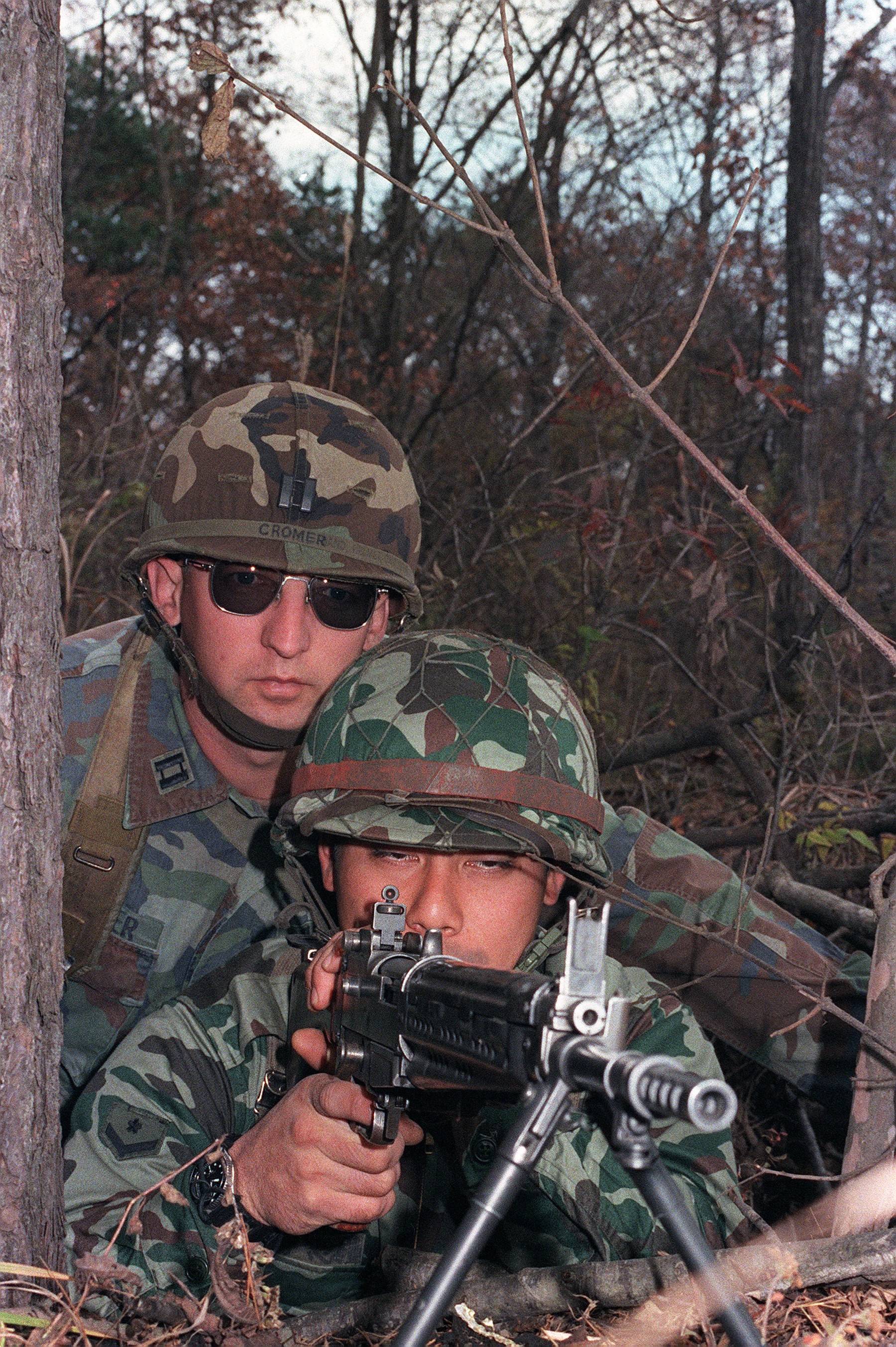
Photo: 射撃訓練 (1).jpg by Japan Air Self-Defense Force · CC BY 4.0

Search every volume:

?

How to search

sten gun
pages with both words
"sten gun"
the words together, as a phrase
sten OR sterling
either one (| works too)
sten -replica
leave out pages that mention “replica”

Without quotes, the last word also matches longer words that start with it (sten finds Stenophylla), and close word forms count (rifle finds rifles). Tick Exact words to match whole words only.

Whole deep dives are listed first, then the pages inside them.

    Volumes
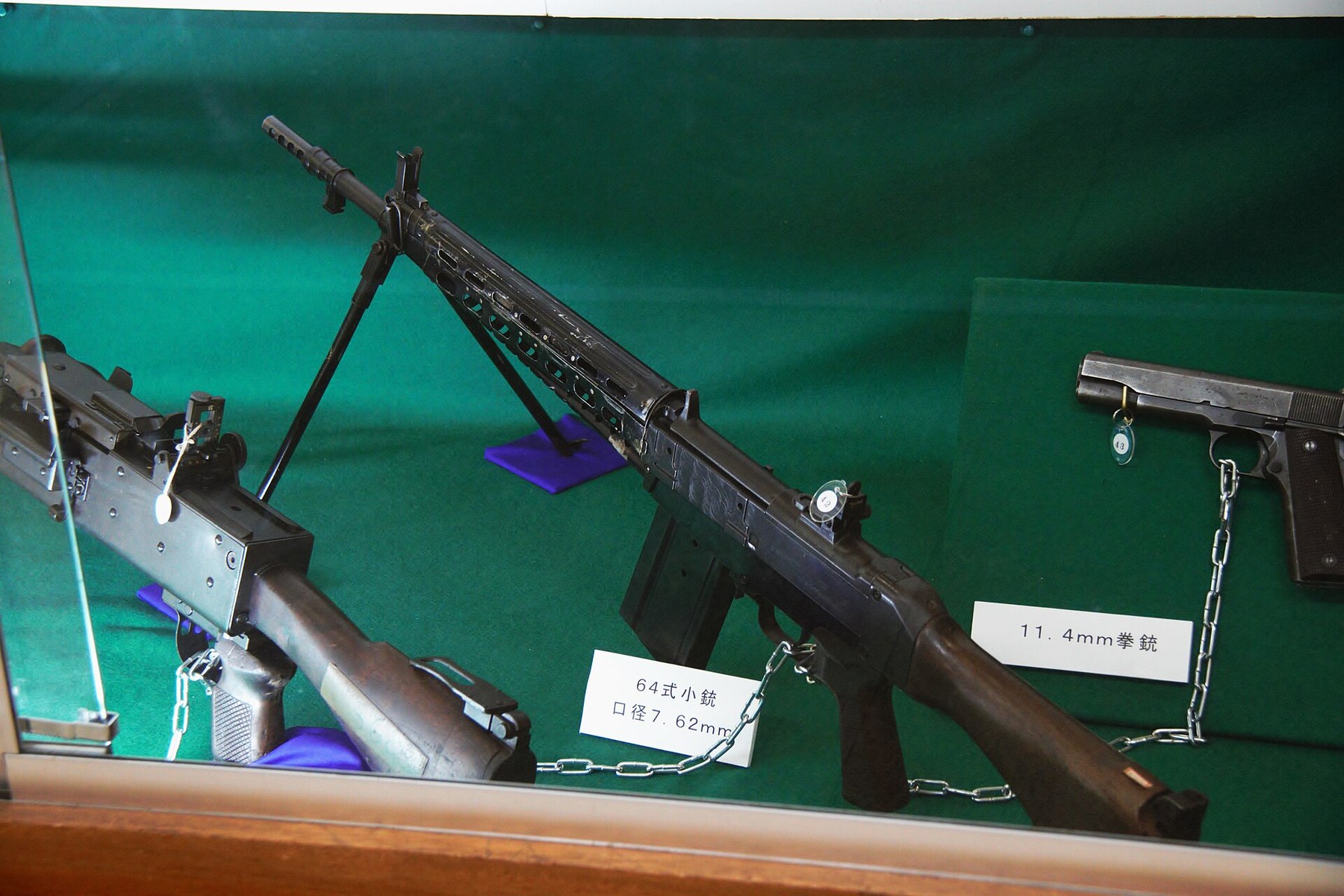
    1. Vol 1 Origins: From Borrowed Rifles to the Type 64, 1950–1964 The worn-out American carbines and rebored Arisakas the new Japanese forces were handed, the Howa and Defense Agency engineers who set out to replace them, the prototypes that broke, the M14 that nearly won, and the September 1964 adoption
    2. Vol 2 Production, Service and Replacement, 1964 to Today How many were made and by when, what they cost, the sniper version, sixty years with the Ground, Maritime and Air Self-Defense Forces and the Coast Guard, the two times it was fired in earnest at sea, and the Type 89 and Type 20 that replaced it
    3. Vol 3 How It Works: Gas, Tilting Bolt and a Hammer That Runs into the Stock The short-stroke piston and its regulator, the slide and the tilting bolt, Iwashita's straight-line hammer and why it slows the rifle down, the trigger group's three modes from the patent, the pull-and-turn selector, the muzzle device, and the barrel built to outlast the receiver
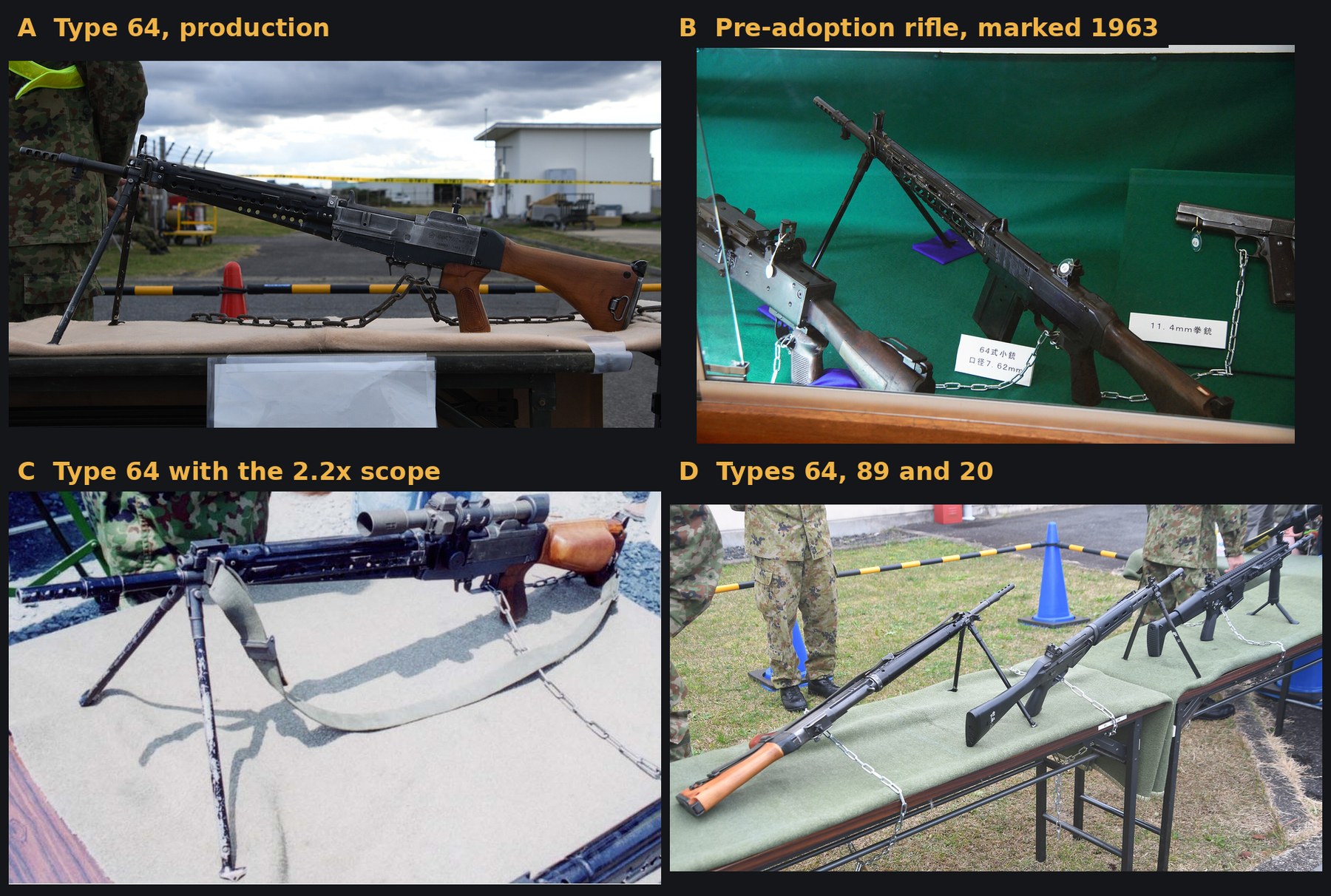
    4. Vol 4 Identification and Markings The production rifle against its 1963 trial rifles, the marksman's configuration and its successors; reading the receiver legend; the airsoft guns, model guns and blue dummies that outnumber real Type 64s in photographs; and the other weapons called Type 64 or Type 63
    5. Vol 5 Field Strip, Maintenance and Repair What the published Japanese military documents say about who may take a Type 64 apart and how far, how often it is cleaned and inspected, when a worn barrel is withdrawn, the faults its users learned to expect, and what no public source records
    6. Vol 6 Ammunition, Accessories and the Law The reduced-charge 7.62 mm load and the primer problem it created, the bayonet whose length was settled by averaging three factions, the scope, night sights and rifle grenades, and why no Type 64 has ever reached a private owner in the United States