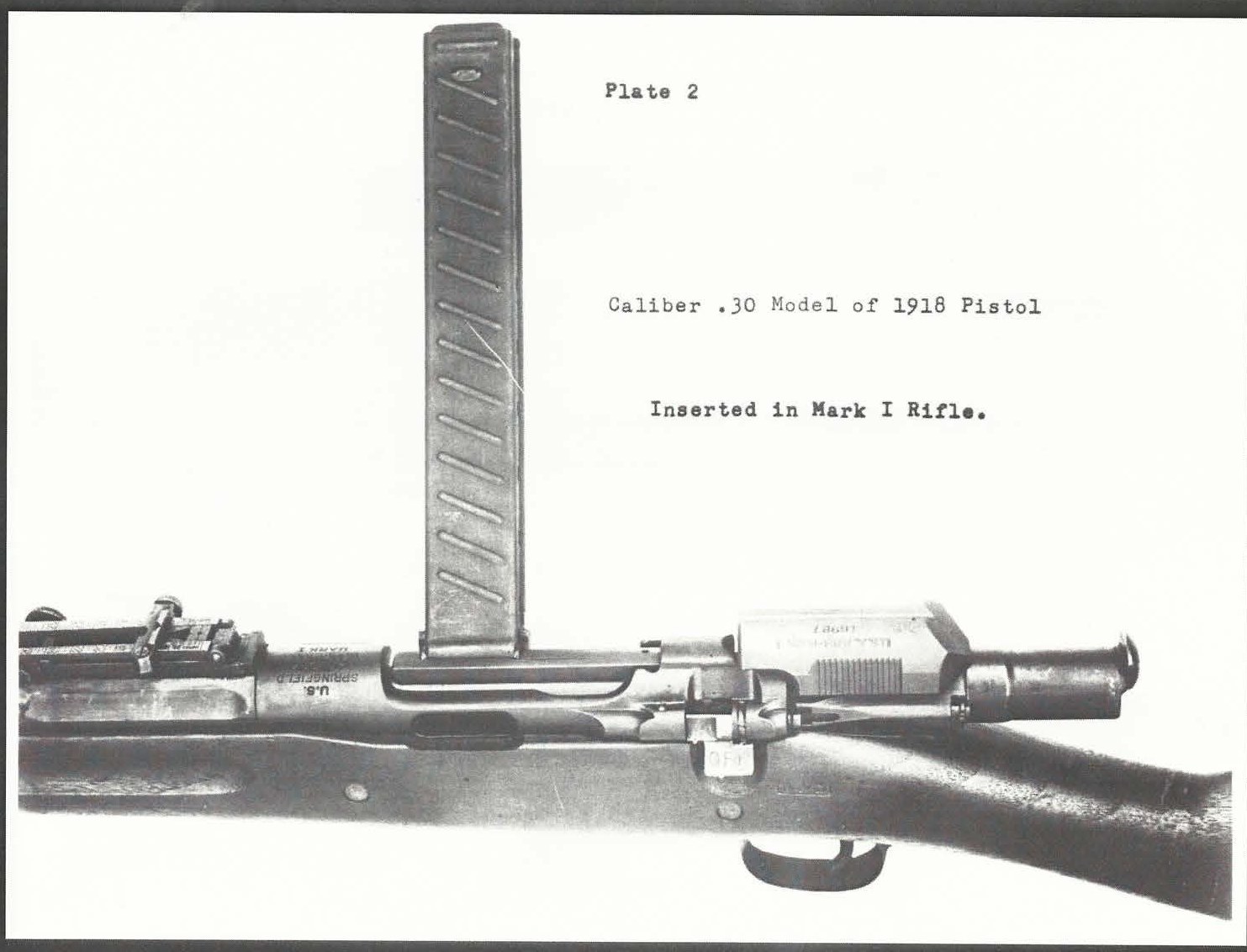
Pedersen Device

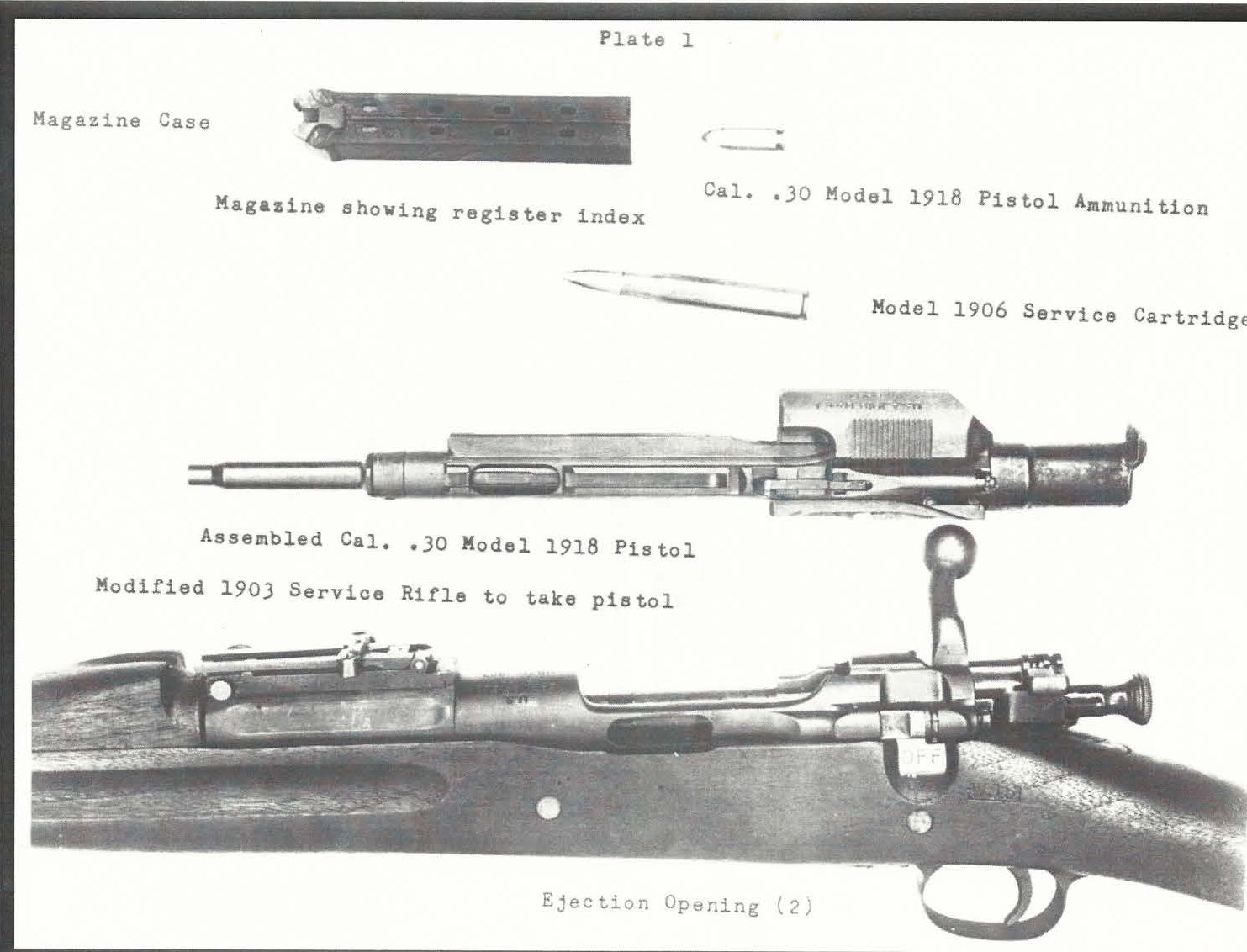
John Pedersen's secret 1918 'Automatic Pistol, Caliber .30': the bolt-replacing blowback mechanism that turned an M1903 Mark I Springfield into a 40-round semi-automatic, from the Army's own manual: its history, the 1931 bonfire and the survivors, how it works, field strip and repair, identifying a Mark I, the .30-18 cartridge and its French 7.65 Longue afterlife, and the law of owning or building one.

Firearms

Pedersen Device · Deep Dive

Pedersen Device

The Springfield Mark I rifles built to carry the device did not go into production until 2 December 1918, three weeks after the Armistice.

John Pedersen's secret 1918 'Automatic Pistol, Caliber .30': the bolt-replacing blowback mechanism that turned an M1903 Mark I Springfield into a 40-round semi-automatic, from the Army's own manual: its history, the 1931 bonfire and the survivors, how it works, field strip and repair, identifying a Mark I, the .30-18 cartridge and its French 7.65 Longue afterlife, and the law of owning or building one.

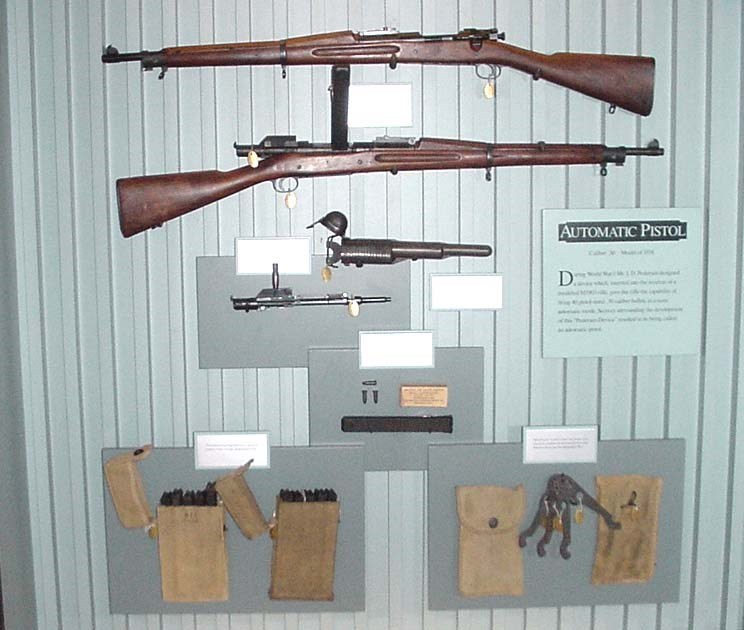
Photo: U.S. Springfield 1903 Rifle with Pedersen Device and Accessories (lot 1336) by Rock Island Auction Company

Search every volume:

?

How to search

sten gun
pages with both words
"sten gun"
the words together, as a phrase
sten OR sterling
either one (| works too)
sten -replica
leave out pages that mention “replica”

Without quotes, the last word also matches longer words that start with it (sten finds Stenophylla), and close word forms count (rifle finds rifles). Tick Exact words to match whole words only.

Whole deep dives are listed first, then the pages inside them.

    Volumes
    1. Vol 1 Pedersen, 1917 and a Secret Weapon A Remington designer from Jackson, Wyoming, four patent applications filed in the spring and summer of 1917, a demonstration on a Washington rifle range, a board at Langres and General Pershing's order for 100,000, and why the Army called a rifle bolt an automatic pistol
    2. Vol 2 Remington, Springfield and the Numbers The contracts and what they paid, the Bridgeport works and its subcontractors, a soldier's kit of scabbard, pouches and ten magazines, the Mark II for the Enfield and a Mosin-Nagant prototype, a rifle whose production began after the Armistice, and five sets of numbers that do not agree
    3. Vol 3 After the Armistice: The Tests, the Bonfire and the Survivors A squad of officers at Le Mans, the Infantry School's range and platoon tests, 4,000 sets in the Canal Zone, why the Army turned it down, the obsolescence of 1931 and the order to pile and burn, the Mark I rifles returned to standard, and how few devices escaped
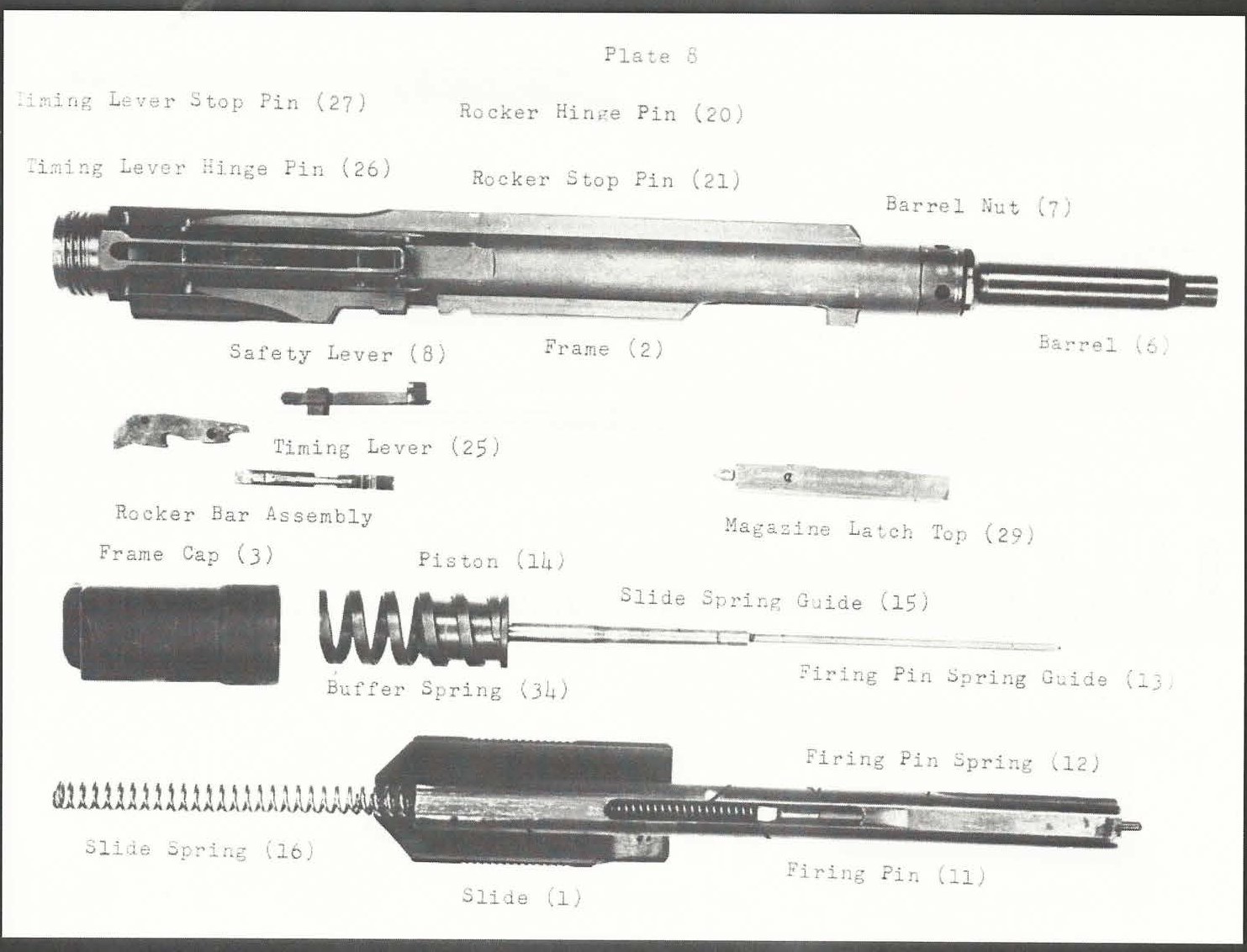
    4. Vol 4 How It Works: A Blowback Pistol Inside a Bolt Rifle The barrel that fills the rifle's chamber, the frame the cut-off locks, a slide with a weight on its back, a piston and buffer behind it, a firing pin that doubles as the ejector, the train from the rifle's trigger to the device's sear, and how the 1917 patent's open bolt became the production gun's cocked striker
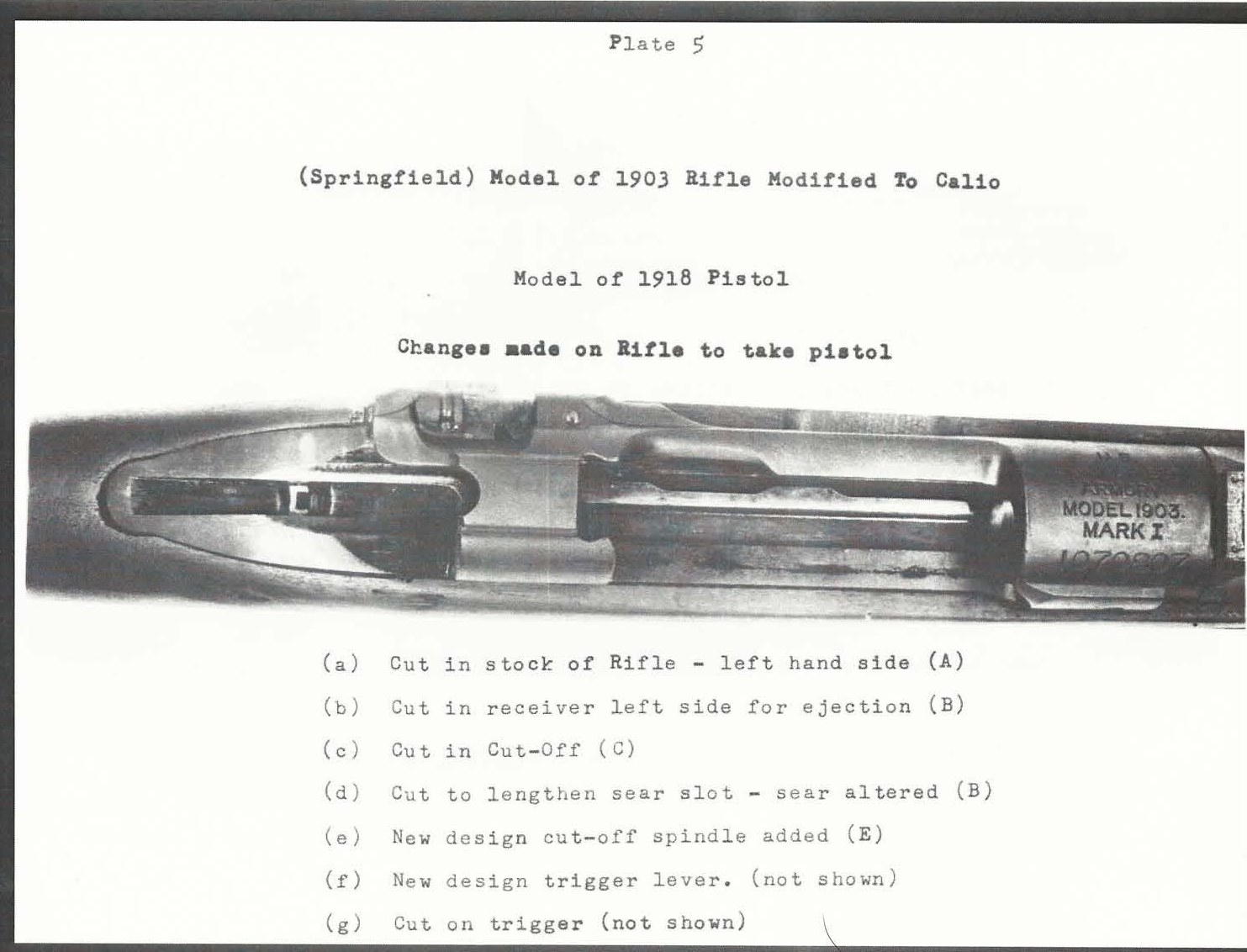
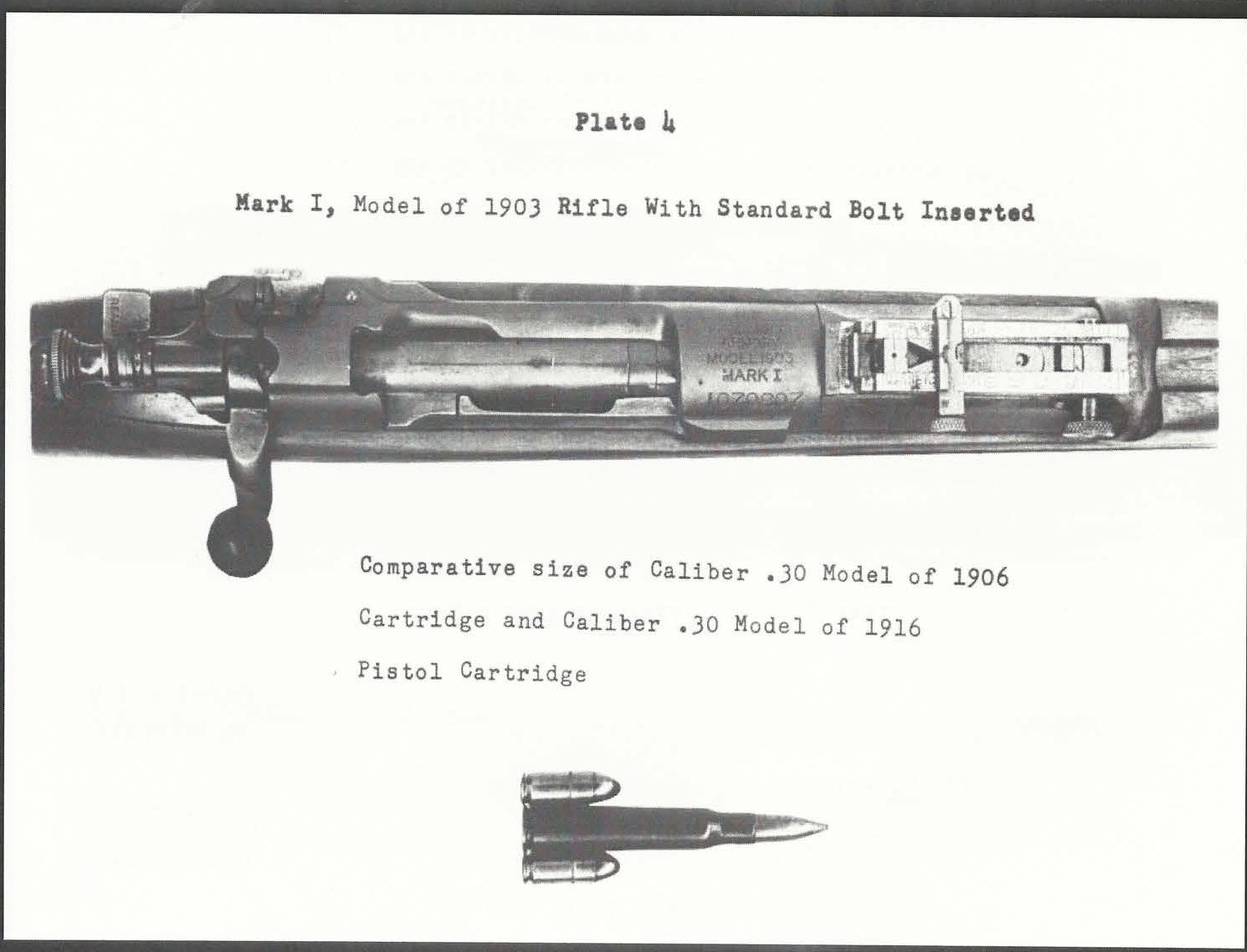
    5. Vol 5 The Mark I Rifle, and Telling Them Apart The Army's own list of seven changes to the M1903, what each one does, why the port stayed when the sear and cut-off went, and how to tell a standard M1903 from an original Mark I, a converted Mark I and a rifle with a port cut later, plus the markings on a genuine device
    6. Vol 6 Fitting, Field Strip, Maintenance and Repair The Army manual's procedures in order: putting the device into a Mark I and taking it out, setting the barrel against the chamber with the special wrenches, dismounting and assembling the device and its magazine, cleaning it with gasoline and keeping it in cosmoline, and the manual's own table of stoppages, with what the Infantry School's endurance test found
    7. Vol 7 The Cartridge: Model 1918 Pistol Ball, .30-18 and the French 7.65 Longue What the Army called it, the 80-grain bullet at 1,300 or 1,500 feet per second, how it was packed and headstamped, what the Infantry School measured, why the French 7.65 mm Longue is said to descend from it and why one authority doubted that, and the ammunition made today
    8. Vol 8 Owning One, the Law, and Building a Reproduction What is on the market and at what estimate, the Mark I as a federal curio or relic, the question no ATF ruling answers (whether a loose device is itself a firearm), why Michigan might take the Army's cover name at its word, and what a lawful build of a Mark I-pattern rifle and a reproduction device would involve, from parts and from scratch