The AK-47 · Volume 4
Type 1, Type 2, Type 3 — The Receiver That Had to Be Abandoned
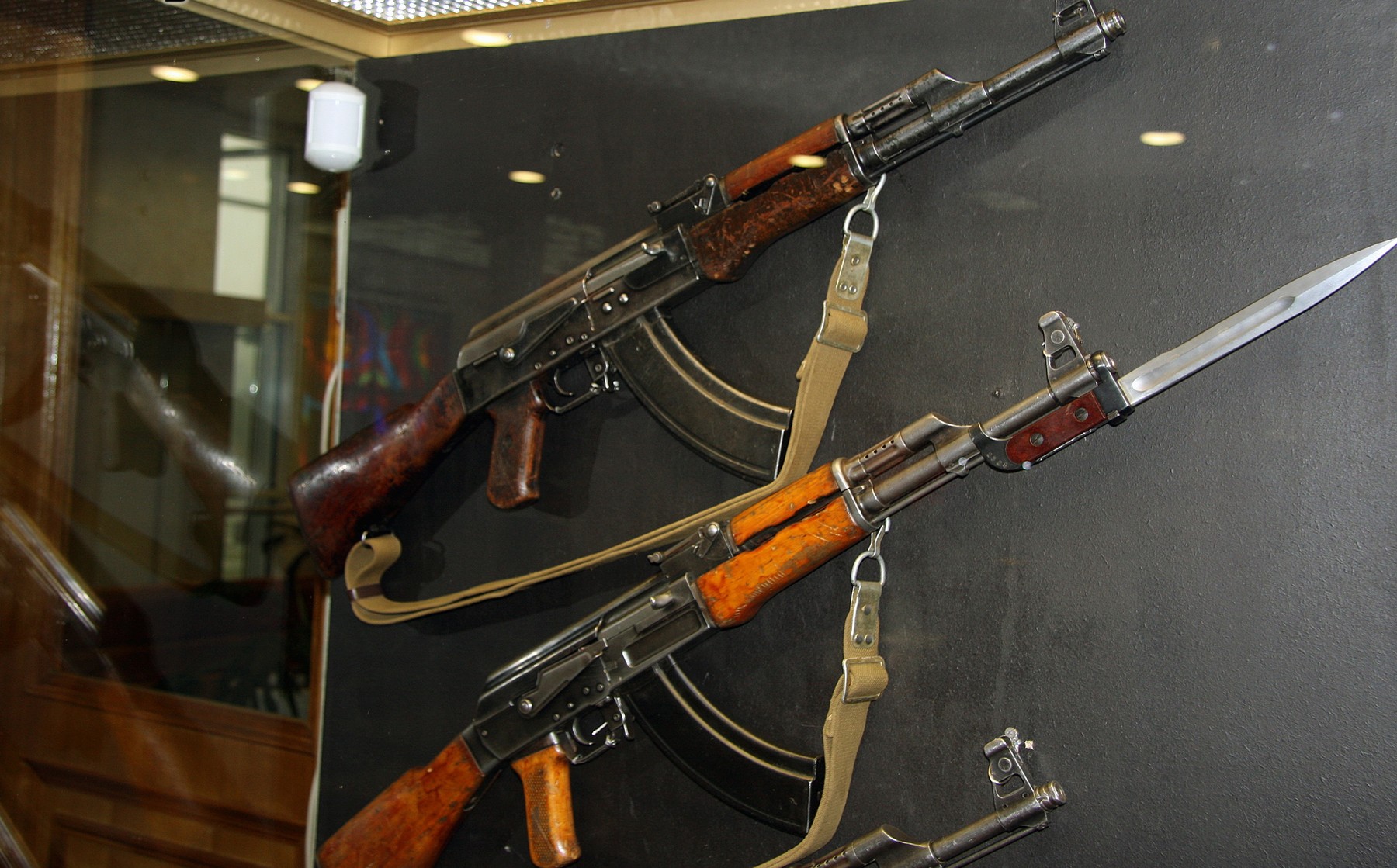
The AK is famous as the rifle that proved stamped construction. For its first decade it was the rifle that proved stamped construction did not work yet.
The sequence is: stamped, abandoned, milled for eight years, then stamped again and this time successfully. It is the clearest illustration in the whole dive of a point that has nothing to do with firearms — that a manufacturing method is only as good as the industry asked to execute it.
4.1 Type 1: Stamped, 1948–51
The rifle adopted in 1949 had a receiver stamped from about 1 mm sheet steel, folded into a U-section, with a machined front trunnion and a rear stock insert riveted in place and the bolt guide and ejector rails welded in.
On paper this is the right answer, and it is the answer the AKM returned to ten years later. A stamping is fast, cheap in machine time, and light. The Soviet Union had built the PPSh-41 and PPS-43 submachine guns in enormous numbers out of pressed steel and knew how to do it.
The AK receiver was a harder problem than a submachine gun receiver. It was thinner relative to the loads it carried, it had to hold a barrel trunnion in precise relationship to a bolt, and — the decisive point — it had to be heat treated.
A thin folded shell distorts when heat treated. As Forgotten Weapons puts it, the receiver was “relatively thin (especially compared to previous stamped Russian small arms like the PPS-43), and was very susceptible to warping during heat treating and other parts of the manufacturing process.” Welding the guide and ejector rails in caused its own distortion and its own rejections.
The result was not a rifle that failed in the field. It was a rifle that failed at the factory:
The guns that met QC requirements were every bit as good as expected, but the high number of rejects nullified much of the point of having those stamped parts in the first place.
A stamping that has to be thrown away half the time is not cheap. In 1951, production of the stamped AK was stopped.

4.2 Type 2: Milled, from 1951
The replacement was the least fashionable solution available and the only one that worked: machine the receiver out of solid steel.
A milled receiver has no welds and no rivets in its structure, because there is nothing to join — the part is a single piece of steel with everything unnecessary cut away. Nothing distorts in heat treatment because there is no folded shell to distort. The trunnions are not separate components at all; they are integral features of the billet, and the barrel screws into the receiver rather than being pinned into a separate trunnion.
The costs are real and were accepted for eight years:
- Machine time, which is the expensive input the stamping was supposed to save.
- Weight. The milled rifle runs roughly half a kilogram heavier than the stamped AKM that eventually replaced it — about 3.47 kg for a Type 3 against about 3.1 kg for an AKM.
- Material waste, since most of the billet becomes swarf.
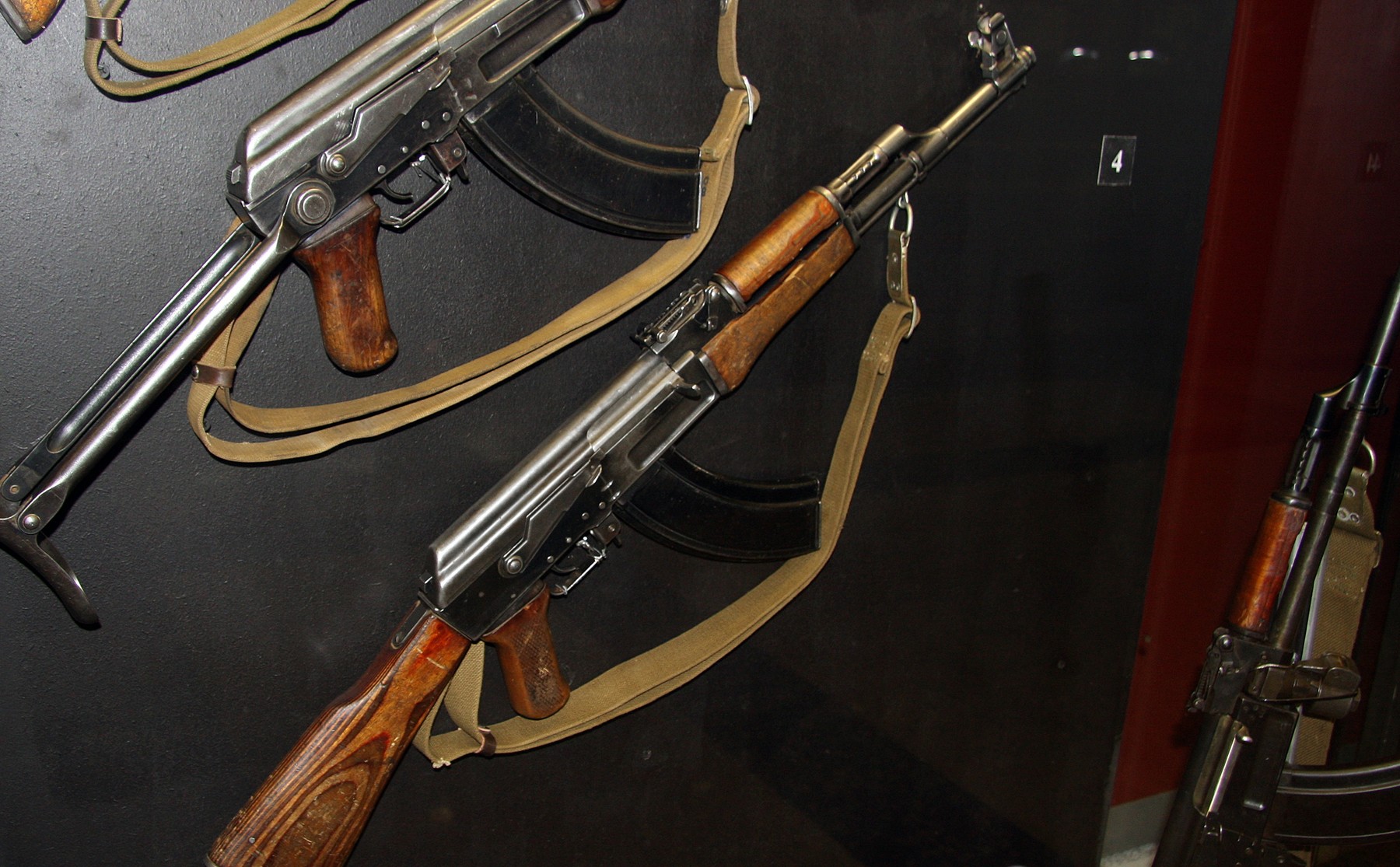
The Type 2 is often described as having a distinctive lightening cut above the magazine well with a flat, angled profile, which is the easiest field identification of the type.
There is a naming tangle here worth flagging. The Type 2 is sometimes referred to as the AK-49, on the basis of when its development began rather than when it was produced, and is far more widely known simply as the Type 2. “Type 1/2/3” are Western collector conventions, not Soviet designations.
4.3 Type 3: The Final Milled Rifle
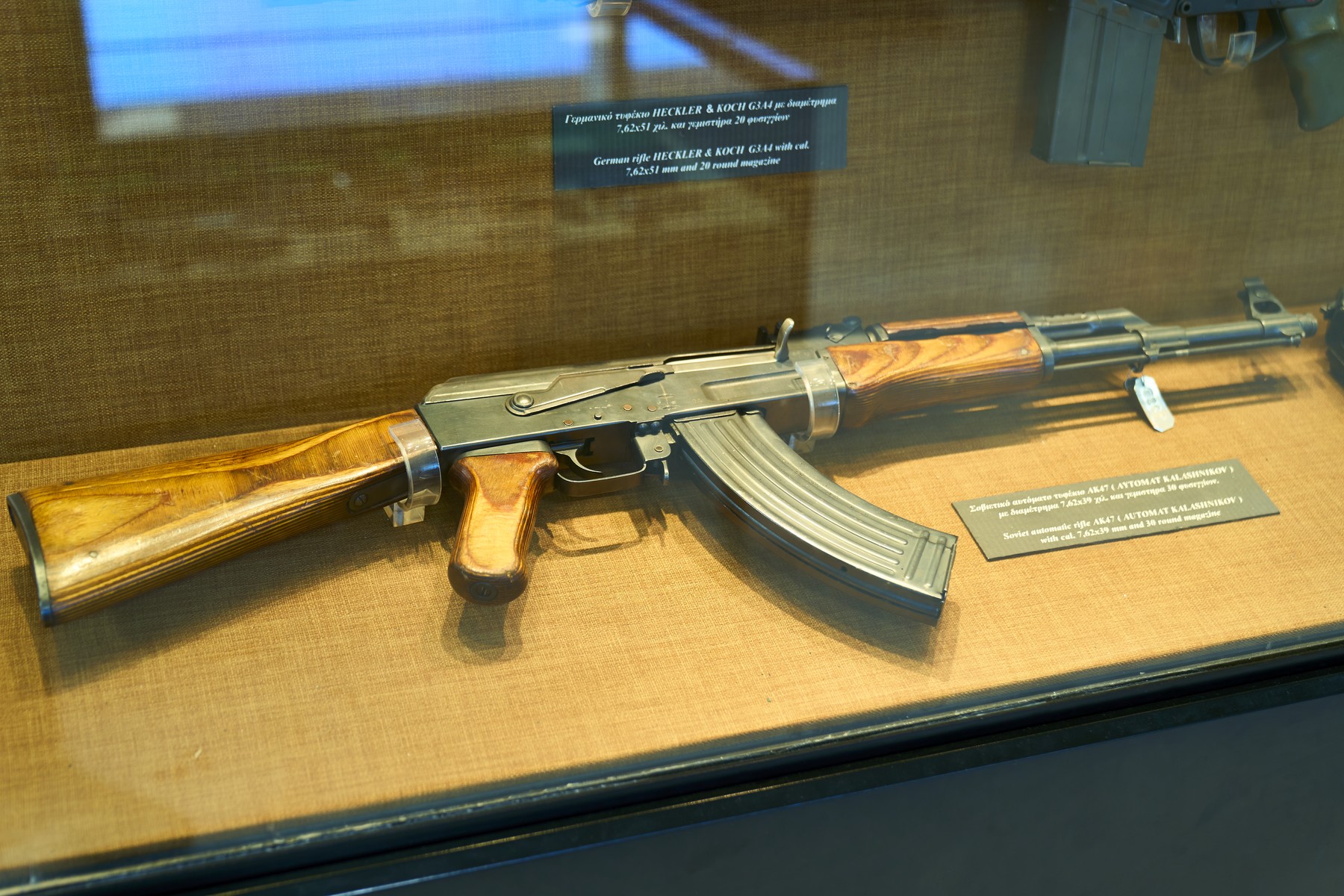
The Type 3 is the milled AK in its developed form: the same approach, lightened, with a lightening cut that is a simple oval rather than the Type 2’s angled recess, a lighter barrel, top cover, stock and trigger components. Aluminium alloy magazines were introduced in this period and later replaced with ribbed stamped steel.
This is the rifle that most people picture when they picture an AK-47, and it is the one most often photographed in museums as “the AK-47”.
4.4 The Dates Do Not Agree, and Saying So Is the Honest Answer
Reference sources give materially different production spans for the milled types:
Table 1 — Reference sources give materially different production spans for the milled types
| Source | Type 2 | Type 3 |
|---|---|---|
| Wikipedia | 1951–1957 | about 1953–54 to the AKM |
| Modern Firearms | 1951–1955 | 1955–1959 |
| Forgotten Weapons | stamped production ends 1951, milled follows | — |
These are not reconcilable by picking the tidiest one. The transitions were gradual, two plants were involved, and “production started” can mean first article, first acceptance, or full rate depending on who is writing. The defensible summary is that stamped production ended in 1951, milled production ran through the 1950s in two successive forms, and the milled rifle was replaced from 1959. Anyone quoting narrower dates than that should be able to say which source they came from.
4.5 What This Episode Actually Teaches
The popular version of AK history treats the stamped receiver as the rifle’s genius and the milled receiver as a footnote. The sequence says something more interesting.
The stamped receiver was the right design decision and the wrong manufacturing decision, and the difference between those two things cost the Soviet Union eight years and a great deal of machine time. The engineering was not fixed by making the receiver cleverer. It was fixed by better sheet steel, better presses, and by riveting the rails instead of welding them — that is, by the industry catching up with the drawing.
There is a second lesson in what did not happen. The Soviets did not ship the warped receivers. Faced with a process that produced a high reject rate, they stopped the process and went back to an expensive method they knew would work, for eight years, on their standard infantry rifle, during the early Cold War. The AK’s reputation for reliability is usually credited to loose tolerances. A share of it is owed to this decision instead.
4.6 Identifying Which One Is in Front of You
For the common cases:
- Milled receiver — a solid machined block with a visible lightening cut above the magazine well; the barrel screws into the receiver. Angled recess means Type 2, oval means Type 3.
- Stamped receiver, riveted — a thin folded shell with visible rivet heads at the trunnions and, on the AKM and derivatives, a distinctive dimple pressed above the magazine well to guide magazine insertion.
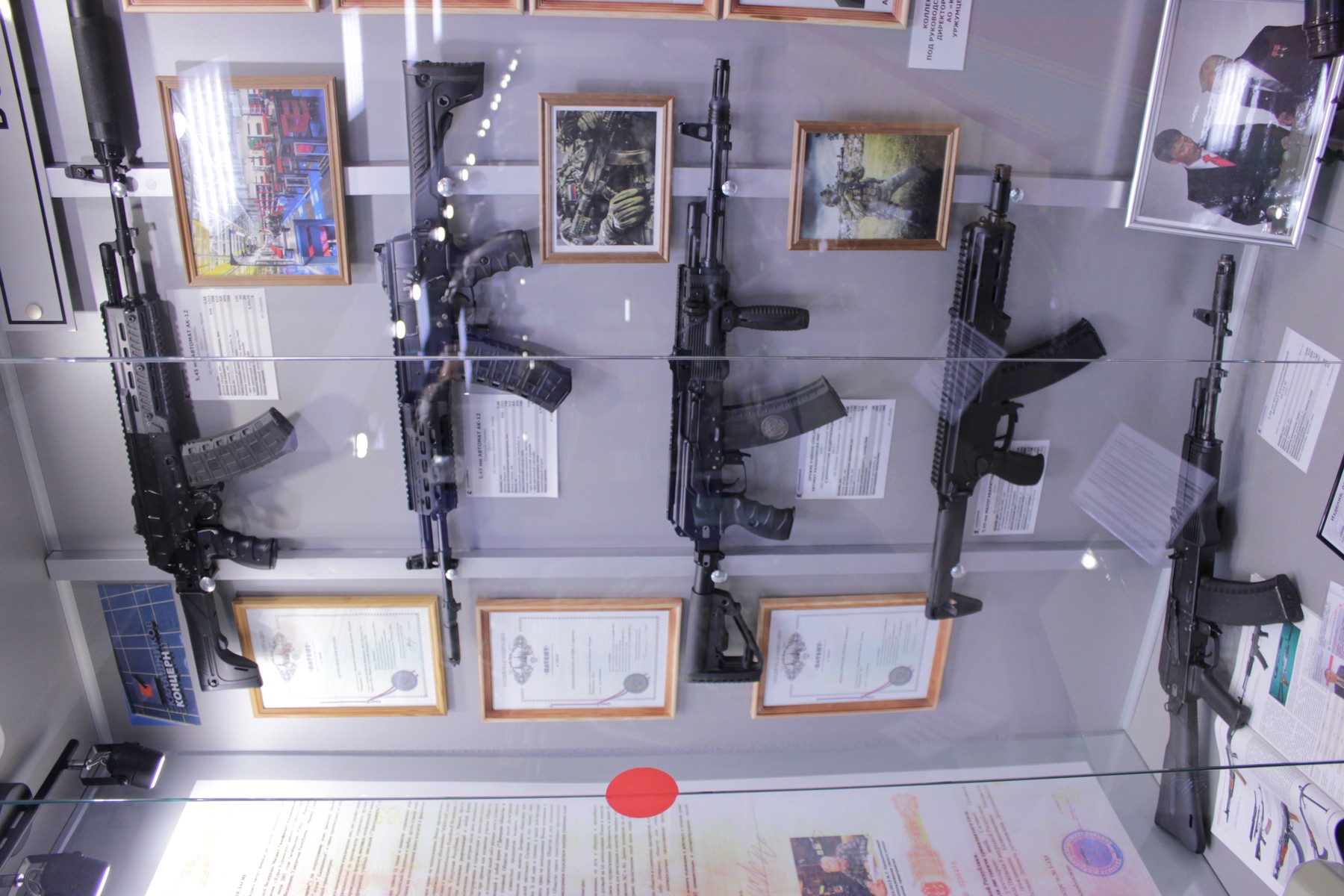
- Slant compensator on the muzzle — an AKM or derivative, not an AK-47, and the single fastest tell at a distance. Volume 5.
The consequence for the rest of this dive, and for reading anything written about the AK anywhere, is that the milled AK-47 is a small minority of Kalashnikov production. The rifle that went around the world was the one that came next.
Comments (0)