The SKS · Volume 8
The Other Makers
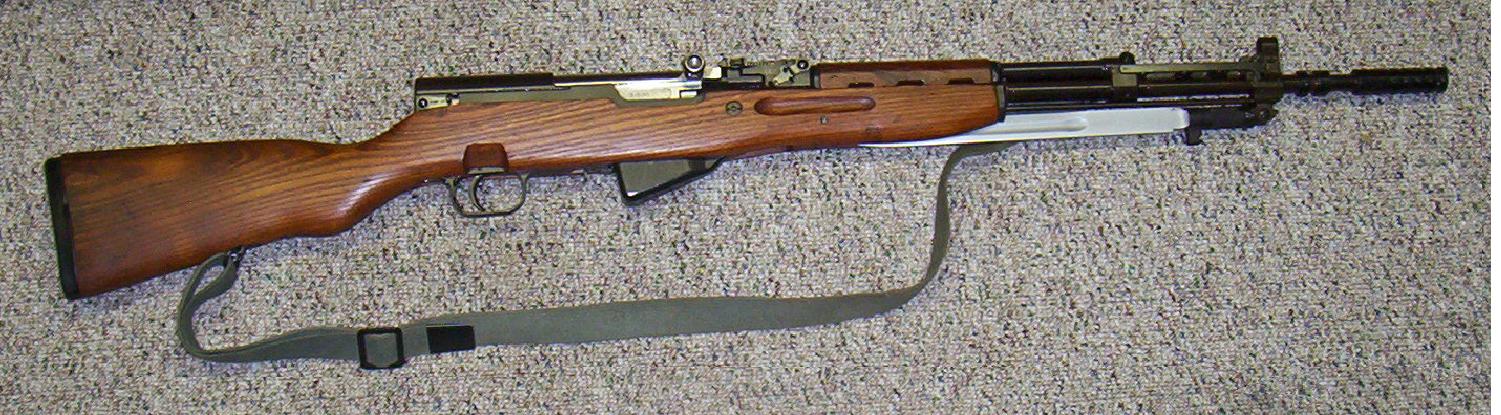
Beyond the Soviet Union and China, six countries built the SKS and a seventh nearly did. Each of them changed something, and in most cases the change is the fastest way to identify the rifle across a room.
This volume goes maker by maker. Where a variant has a trap in it — and two of them do — the trap is stated plainly.
8.1 Yugoslavia — Zastava PAP M59 and M59/66
The most interesting non-Soviet variant, and by a wide margin the most common one in the United States today, because the Yugoslav surplus arrived after the Chinese and Russian channels had both closed.
PAP M59, 1959 to 1966. Polu-automatska puška — semi-automatic rifle. Made by Zastava Arms. Essentially the Soviet rifle, in a beech stock.
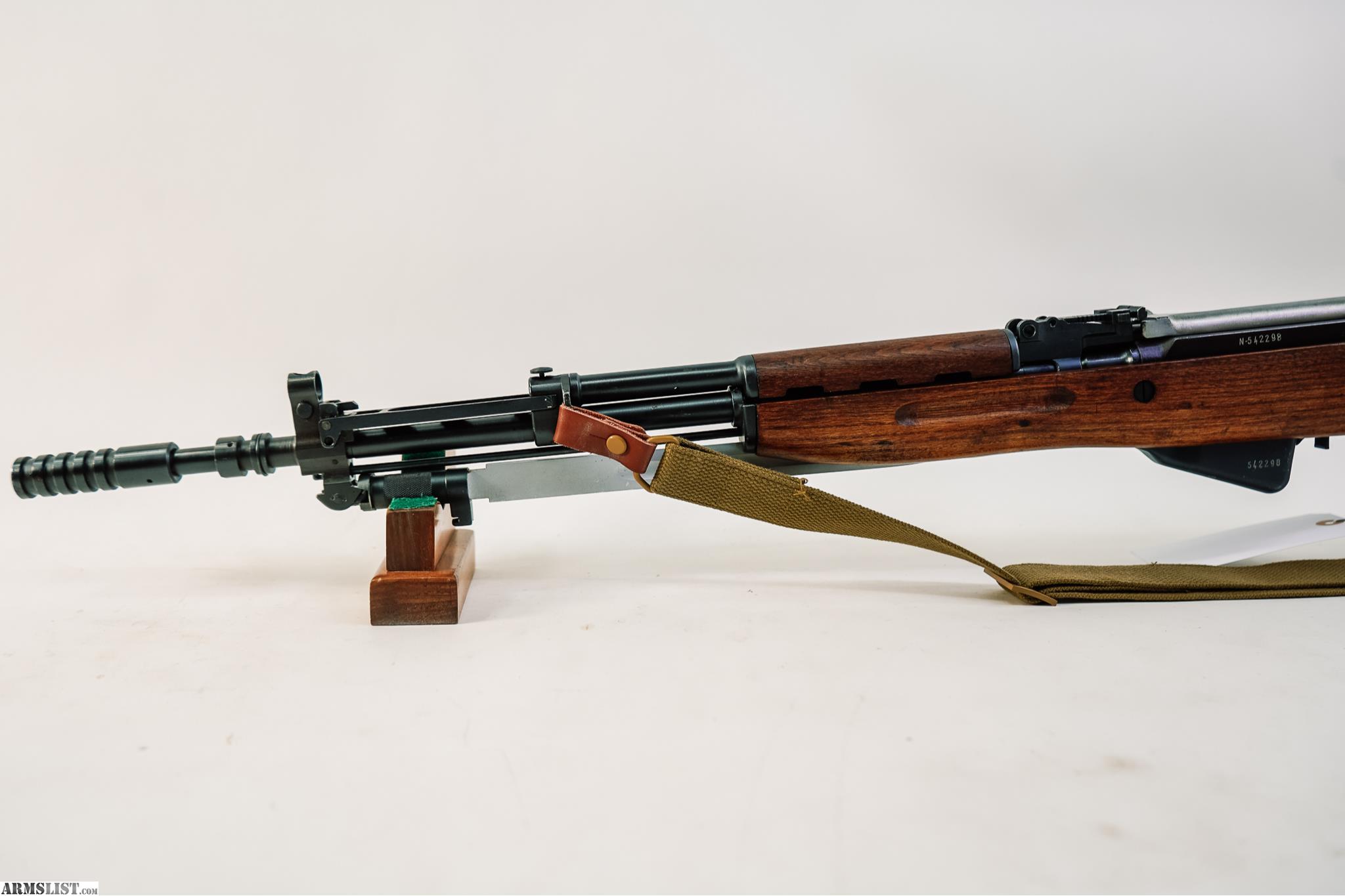
PAP M59/66, 1967 to 1989. The M59 plus a 22 mm rifle-grenade launching spigot machined integrally into the muzzle — it looks like a muzzle brake and it is not — and a folding ladder grenade sight on the gas block.
PAP M59/66A1 — the same rifle with tritium or phosphorescent night sights.
8.1.1 The gas valve, which is the thing to understand
The grenade sight and the gas cut-off are the same control. Raising the grenade ladder sight closes the gas port in the barrel.
That is elegant: a rifle grenade is launched with a special blank cartridge, and you do not want the action cycling on that pressure. Raising the sight to aim the grenade automatically shuts off the gas, so the action stays closed and you cycle it by hand afterwards.
It is also the single most common reason an M59/66 comes into a shop described as “won’t cycle.” If a Yugo will fire but not self-load, look at the grenade sight before you look at anything else. If it is up, the gas is off, and the rifle is doing exactly what it was designed to do.
8.1.2 The barrel is not chrome-lined
This is the Yugoslav trap and it is a real one. Unlike the Soviet and Chinese rifles, the Yugoslav barrel has no chrome lining.
Now combine that with the fact that a great deal of the ammunition these rifles were issued and sold with is corrosive-primed military surplus. Chrome lining does not make a bore immune to corrosive salts, but it buys you hours instead of minutes. A bare steel bore does not.
If you own a Yugo, or are buying one:
- Look down the bore before you buy. A pitted M59/66 bore is extremely common and is why some of these rifles are cheap.
- If you shoot corrosive surplus, clean with hot water or a water-based solvent the same day, then dry, then oil. This is not optional on a non-chromed bore.
- The gas system needs the same treatment. Salts sit in the gas tube and piston as happily as in the bore.
The Yugoslav rifles are otherwise very good — well made, usually in far better cosmetic condition than the Chinese surplus, and often unissued. It is worth knowing what the one weakness is.
8.2 Romania — M56
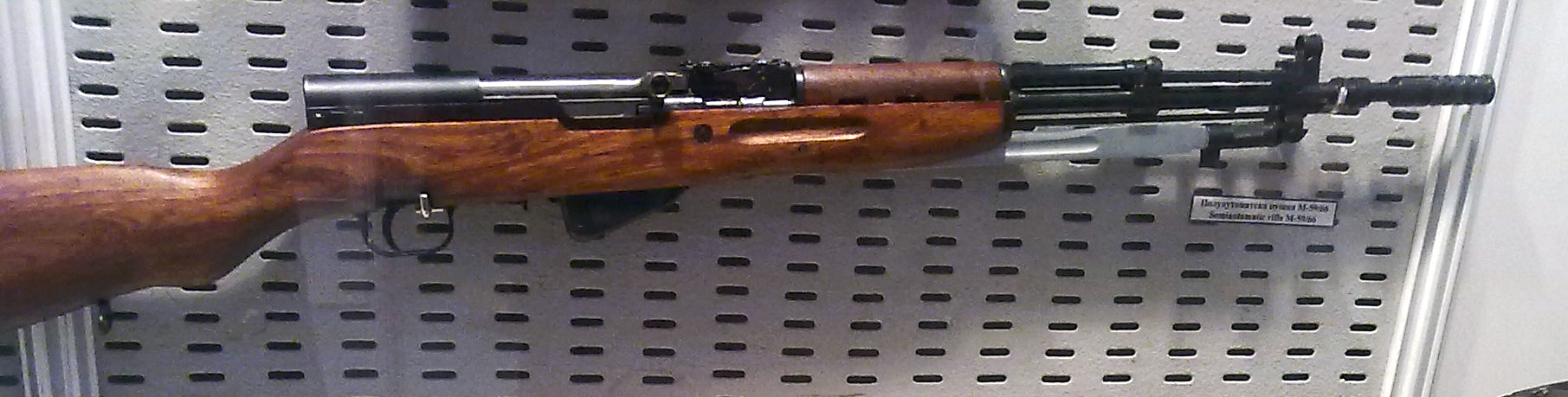
Built at Cugir from 1956 to 1960, and near-identical to the late Soviet pattern. Romanian SKSs are the hardest variant to distinguish at a glance, which is exactly why some are sold as Russian.
Two markers:
- The factory stamp is on the left side of the receiver, not on the dust cover where the Soviet arsenal marks live.
- The Cugir mark is an arrow in a triangle — superficially like the Izhevsk arrow-in-triangle-in-circle, but simpler and cruder, with no circle.
Romanian values have been climbing and can approach Russian prices for a good one, which is a change from a decade ago.
8.3 Albania — Type 56-1
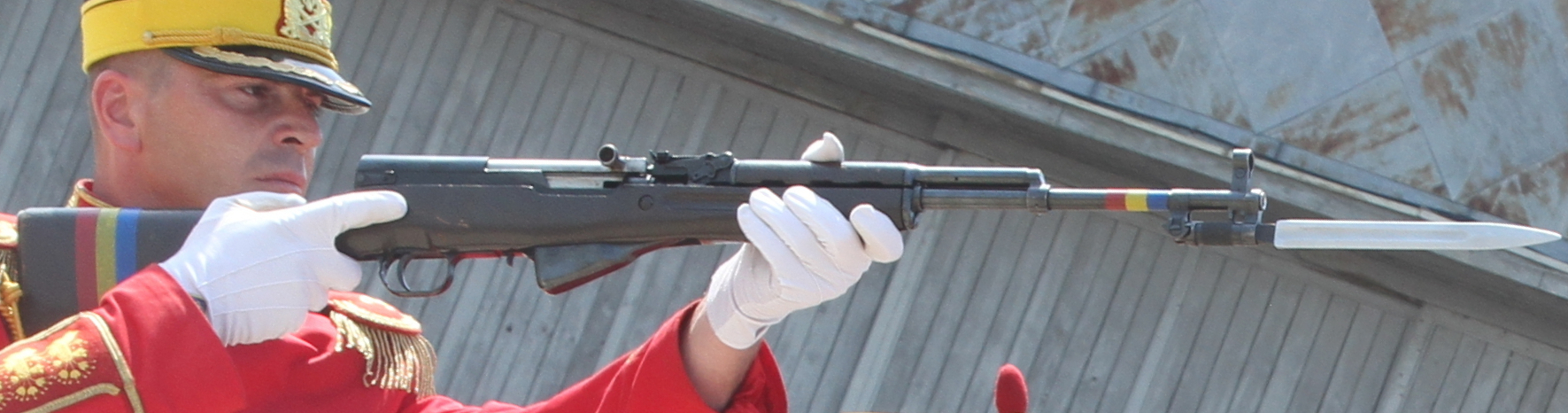
Made at the UM Gramsh factory from 1967 to 1978, with no production between 1972 and 1975. This is the most visually distinctive variant of all, and once you have seen one you will never mistake another.
- A longer stock and handguard — the handguard covers the whole gas tube.
- Three large vent holes in the handguard, larger than the standard pattern.
- An AK-style charging handle rather than the SKS’s own.
- A spike bayonet.
- A visibly different magazine profile.
- And the clincher: a buttstock with two compartments and two holes in the buttplate, instead of the single cleaning-kit trap every other SKS has.
Several thousand reached the North American commercial market in the early 2000s, often in rough cosmetic condition — beaten stocks, and a fair amount of hand-cut decoration by whoever carried them. They are the rarest of the commonly-available variants, and they are periodically sold at Chinese prices by people who do not know what they have.
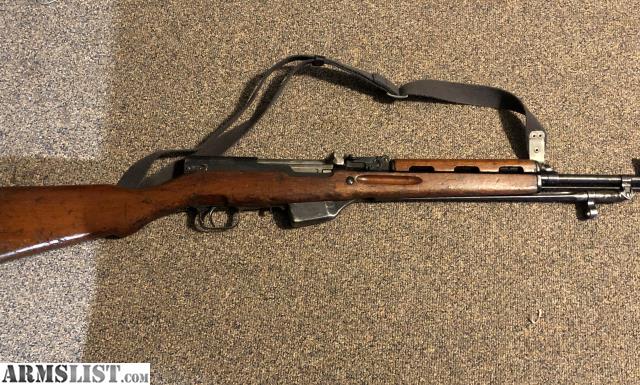
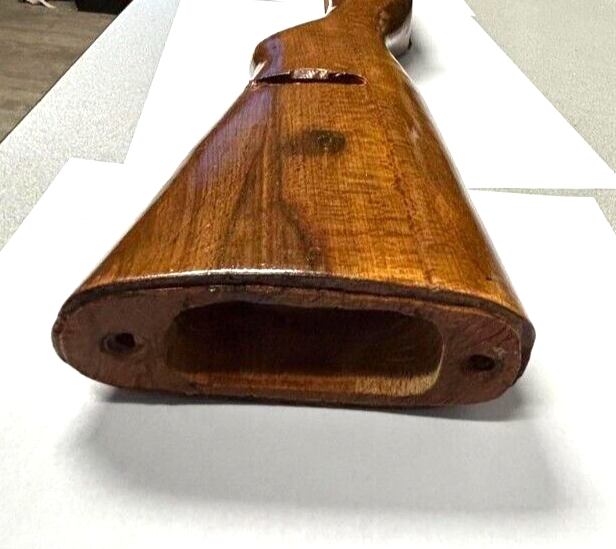
8.4 East Germany — Karabiner-S
Believed to have been produced at the J. P. Sauer & Sohn facility at Suhl, over a short run of two to three years. Two changes, both about carrying it:
- A slot cut through the rear of the stock for a pull-through sling, in the style of the Karabiner 98k. German soldiers had carried rifles that way for fifty years and the SKS’s side-mounted swivels were not what they were used to.
- No buttstock cleaning-kit compartment and no cleaning rod under the barrel.
That second point is worth pausing on, because the cleaning rod and the butt trap are load-bearing features of the Soviet system: the rifle is meant to carry everything it needs to be cleaned in the field. Deleting both is a doctrinal statement — the NVA cleaned rifles in an armoury, not in a trench.
Most Karabiner-S rifles in America are Vietnam bring-backs, which is a strange route for an East German rifle and tells you something about where East German small arms ended up.
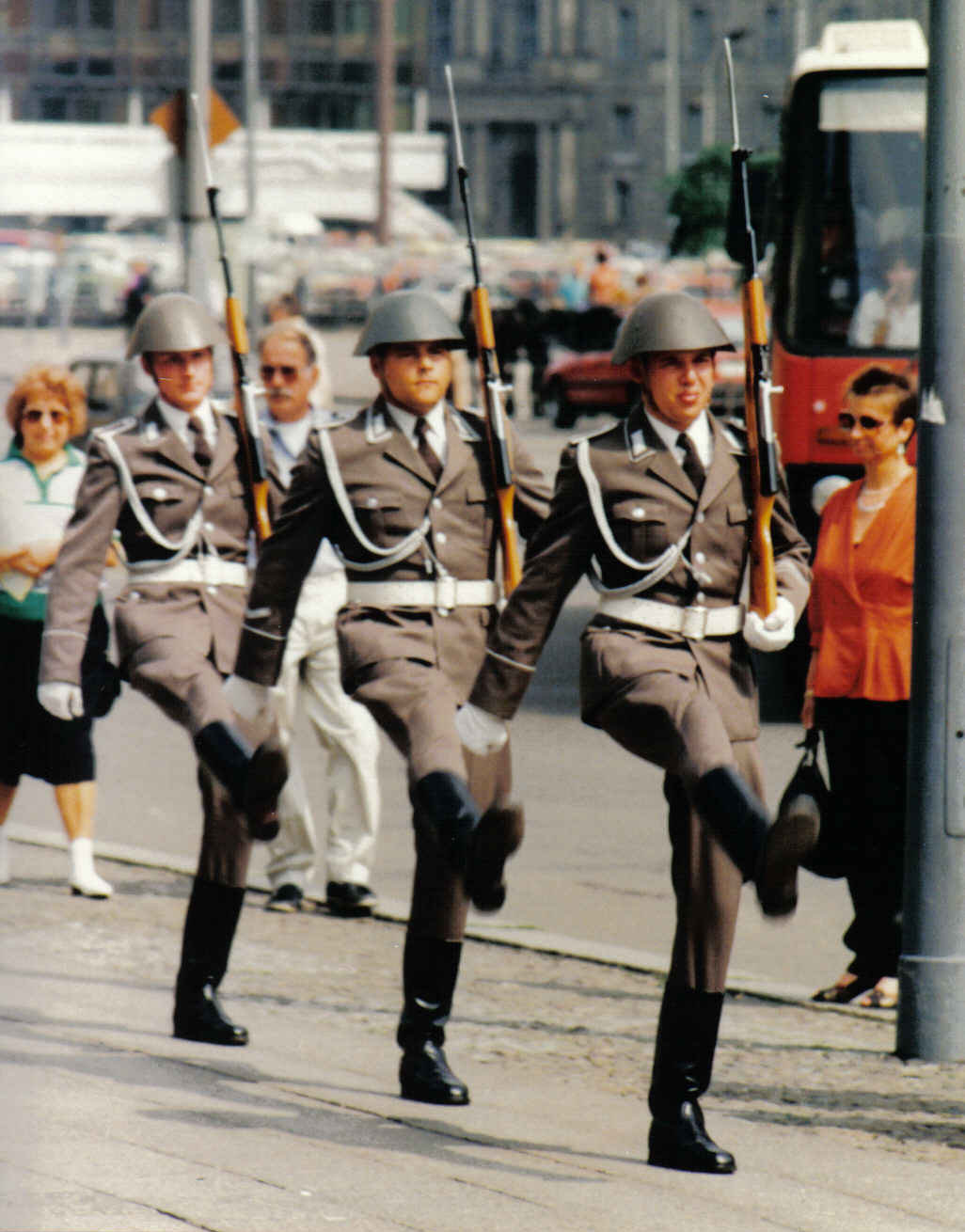
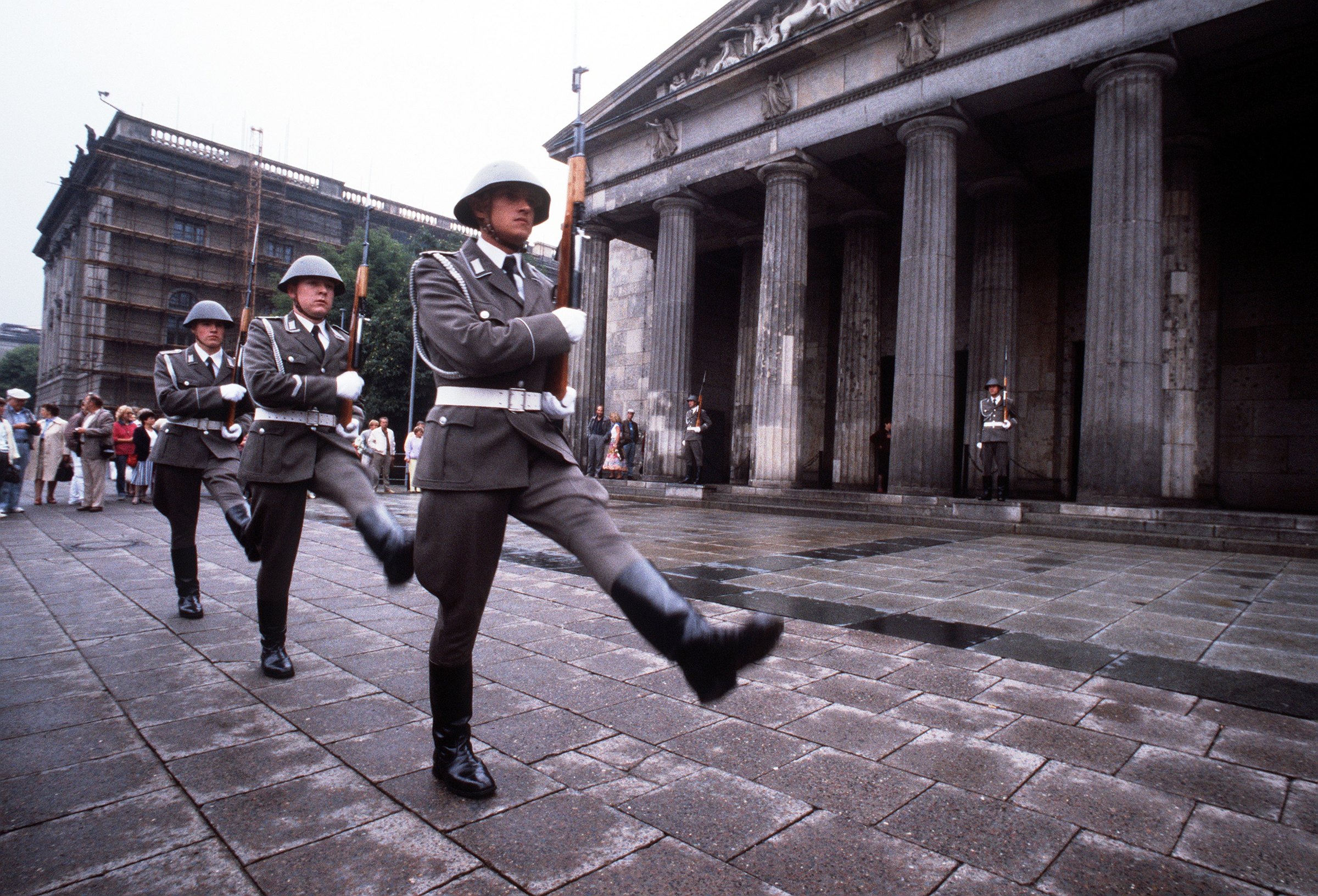
8.5 North Korea — Type 63
Made for the Worker-Peasant Red Guards and paramilitary forces. At least three distinct models are documented:
- A standard model with a blade bayonet.
- A version with a gas shut-off and a detachable grenade launcher — note detachable, which is where it differs from the Yugoslav design, whose spigot is integral.
- A version with a side-swinging bayonet.
Very scarce in the United States and essentially all bring-backs.
A naming caution: “Type 63” is also the designation of a completely different Chinese rifle — a select-fire weapon that combines an SKS-style gas system and stock with an AK-style rotating bolt and detachable magazine. If a source says “Type 63” without saying whose, check which one it means.
8.6 North Vietnam — Type 1
Assembled with Chinese assistance at a factory about 12 km north of Yên Bái, between 1962 and 1965. Identified by a small star receiver mark with a centred “1.” The barrel and many internal parts are chrome-plated.
Roughly 6,000 were produced before American bombing raids forced the plant to close. That makes the Type 1 one of the rarest military SKSs in existence.
Separately, Viet Cong workshops made cruder copies, “sometimes seen with crude finish and obvious tool markings.” Those are field-expedient manufacture rather than a production variant, and they are collectible for exactly that reason.
8.7 Poland — ksS, the One That Nearly Happened
Poland received several hundred Soviet SKS carbines around 1954, and imported the technical data package and the tooling to build them. Then, in 1956, the Polish People’s Army rejected the rifle for general service and the programme was cancelled.
The designation ksS — karabin samopowtarzalny Simonowa, self-loading carbine, Simonov — attaches to the Soviet-made rifles Poland kept, refitted with distinctive Polish laminated stocks and used for ceremonial purposes only.
So there is no Polish-manufactured SKS. There are Soviet rifles in Polish stocks, and they are extremely rare.
8.8 Identification Summary
Table 1 — 8.8 Identification Summary
| Variant | Fastest tell |
|---|---|
| Soviet Tula | Arrow in a star on the dust cover |
| Soviet Izhevsk | Arrow in a triangle in a circle |
| Chinese Type 56 | Factory code in a geometric frame on the left of the receiver; spike bayonet on most; pressed-and-pinned barrel |
| Yugoslav M59 | Beech stock, no launcher, no chrome-lined bore |
| Yugoslav M59/66 | 22 mm launcher spigot on the muzzle, folding grenade ladder on the gas block |
| Romanian M56 | Arrow in a plain triangle, stamped on the left of the receiver |
| Albanian 56-1 | Full-length handguard, AK-style charging handle, two holes in the buttplate |
| East German Karabiner-S | Sling slot through the stock; no butt trap, no cleaning rod |
| North Korean Type 63 | Detachable grenade launcher, or a side-swinging bayonet |
| North Vietnamese Type 1 | Small star with a centred 1 |
| Polish ksS | Soviet rifle in a Polish laminated stock |
Comments (0)