Hand Mortars · Volume 7
Queen Elizabeth's Fireworks
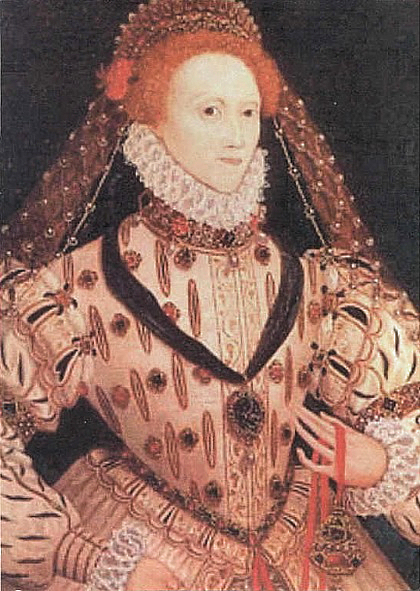
Elizabeth I liked fireworks so much that she made a job out of it.
Not a contractor, not a warrant, not a one-off payment - an office. The English Heritage account says she appointed “an official ‘Fire Master of England’”. AntiquityNOW puts the mechanism plainly: she “decided to create the position of ‘Fire Master of England’” and granted the title to the best and most respected fireworks-maker in England, which promptly set every other pyrotechnician in the country competing to be good enough to hold it.
That is a small policy decision with an outsized effect. Give a craft a royal title and you have created a career ladder for it. English fireworks got better for the rest of the century because a queen wanted better shows.
7.1 The Tudor century opened with a bang, literally
The taste did not start with her. English Heritage notes that the Tudor period itself began with a firework display, at the wedding of Henry VII and Elizabeth of York. What Elizabeth I did was take an existing court amusement and turn it into an institution, and she never lost the appetite: the accounts describe a queen who “never lost her love for the thrill and spectacle of fireworks” across a reign of forty-five years.
Fireworks in her England were not the tidy municipal thing they became. They were sieges, dragons, and things that got out of hand.
7.2 Warwick Castle, August 1572 - the night it went wrong
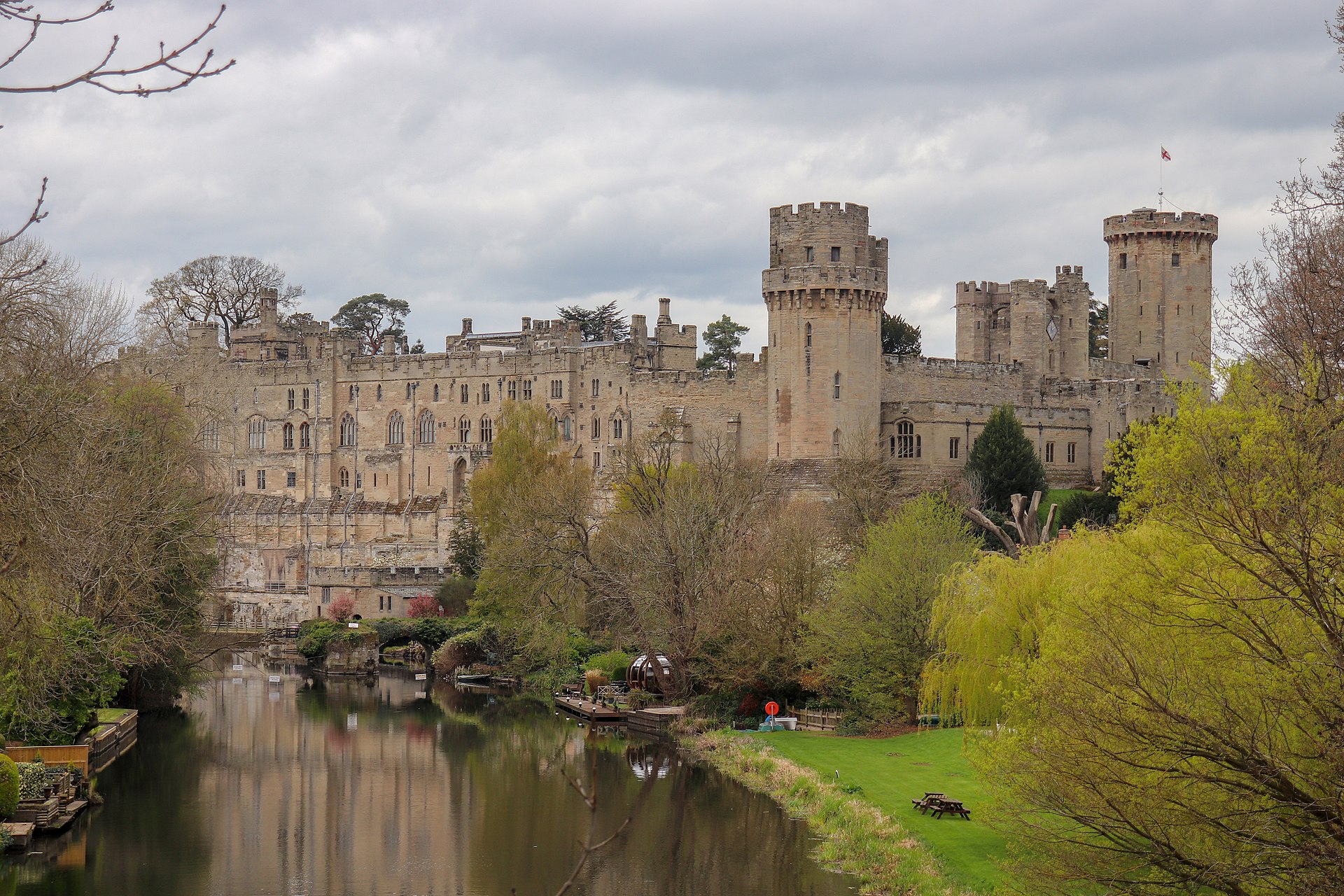
In August 1572 the Queen visited Warwick Castle, and Ambrose Dudley, Earl of Warwick - who was also Master-General of the Ordnance, which is to say the man in charge of England’s artillery - put on a show.
He did not do it by halves. Down by the River Avon he erected two forts of timber and canvas, recruited a cast of two hundred or more, and staged a full mock siege with “fire-woorks, as squibbes and balles of fyre.” One of the forts fell in the most Elizabethan way imaginable: “a dragon flying casting out huge flames and squibs” set it alight.
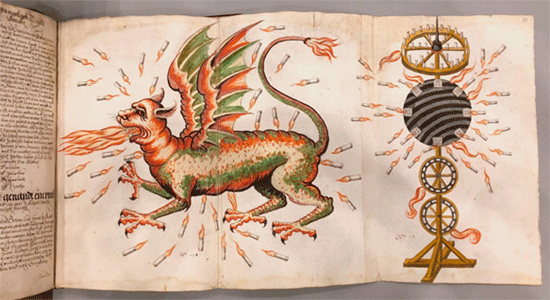
Then it stopped being a show. The accounts record that the fireworks flew over the castle and “into the midst of the town to the great peril and fear of the inhabitants.” One struck a house and set it ablaze; a couple more houses went up. Elizabeth organised a collection that raised £25 for the people whose homes had burned.
There is a period detail worth pausing on: the display was “terrifying” to less sophisticated spectators. Of course it was. Most of the audience had never seen a controlled explosion in their lives, and this one was not controlled.
7.3 Kenilworth, July 1575 - a different castle, a different Dudley
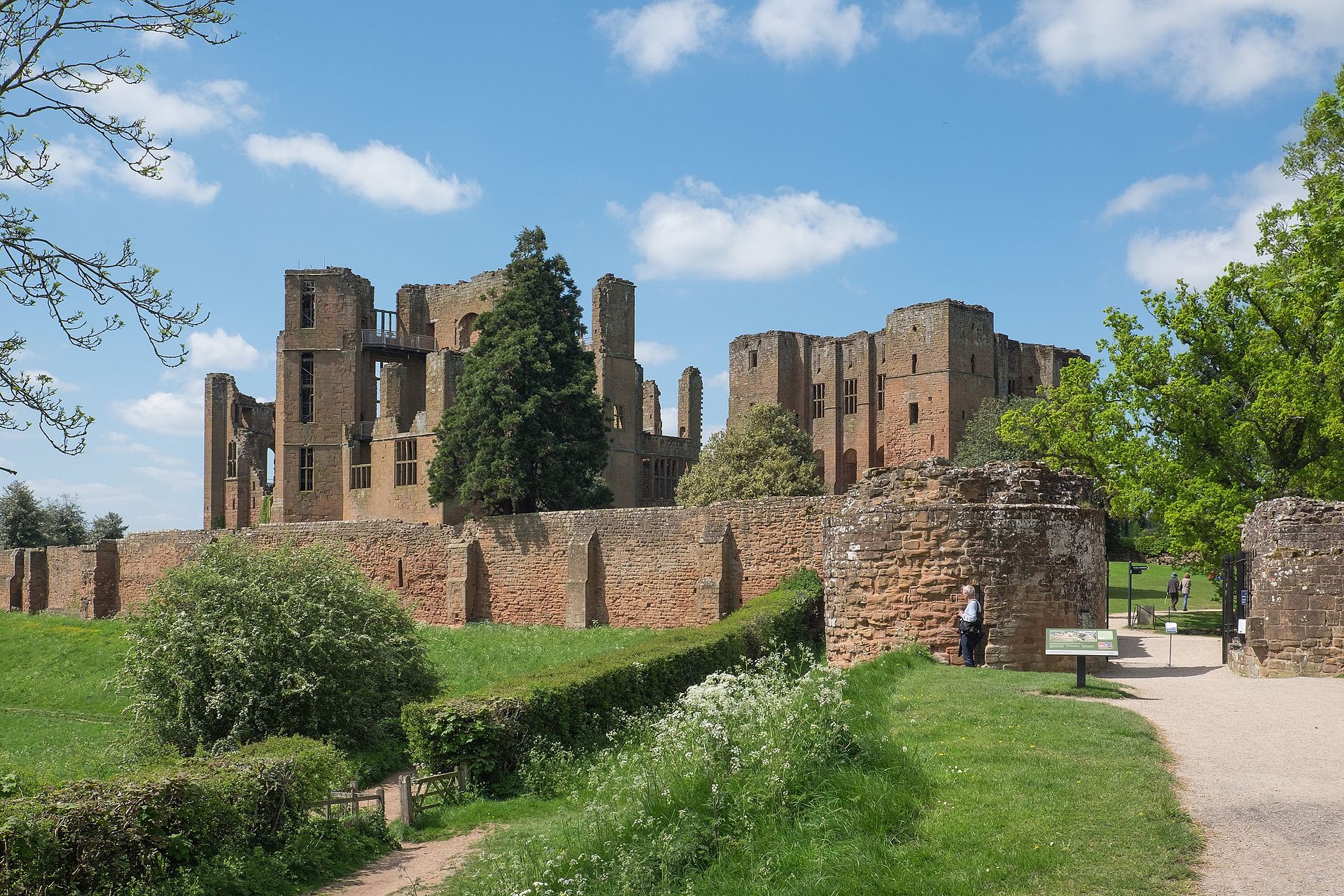
Three years later, at Kenilworth from 9 to 27 July 1575, Robert Dudley, Earl of Leicester - Ambrose’s younger brother, and the Queen’s favourite - staged the most famous entertainment of the reign. Nineteen days of it: fireworks devised by an Italian expert in pyrotechnics, musicians, gardeners who built a garden overnight beneath the Queen’s chamber window, and a country wedding feast. It is the display that Walter Scott mythologised and that historians still write about.
Kenilworth 1575 was the triumph. Warwick 1572 was the disaster.
7.3.1 The correction
🔴 These two events get merged, including by English Heritage’s own blog, which places the mock battle, the misdirected fireballs, the burned houses and the £25 compensation at Kenilworth. The Warwickshire local-history accounts place the burned houses, the two canvas forts, the flying dragon and the £25 at Warwick, in August 1572, staged by Ambrose.
The confusion is easy to see once you know it is there. Two Dudley brothers. Two Warwickshire castles twenty minutes apart. Two royal visits three years apart. And - the seam where the stitch went in - English Heritage itself notes that Robert Dudley built a tower at Kenilworth in 1575 “partly to make up for the disastrous 1572 visit.” Somewhere in the retelling, the disaster migrated to the castle where the apology was built.
The sources also differ on how bad it was. English Heritage says at least one man was killed in the blaze; the Warwickshire accounts describe houses burned and the collection raised, without a death. Say both. Picking the more dramatic version because it reads better is how these stories get bent in the first place.
7.4 What was being fired, and from what
This matters for a dive about hand mortars, because the answer is: small mortars, among other things.
The vocabulary of the Warwick display is period pyrotechnic vocabulary. Squibs are small paper cases that burn and crack. Balls of fire are exactly what they sound like - composition-filled shells that had to be got into the air, and the way you got a ball into the air in 1572 was to shoot it out of a tube with a charge underneath it. Fire-drakes, the flying dragons, ran on ropes, driven by rockets, shedding squibs as they went.
The man who owned that skill set was an artillery officer, which is precisely why the man staging the display was the Master-General of the Ordnance. The same establishment that cast mortars for sieges cast the little ones for shows, and the same officers laid both. Volume 6 makes the structural argument; Warwick 1572 is the argument in action, and the town’s burned houses are what happens when the elevation is wrong.
A hand mortar - two and a half inches of bore, a small chamber, a stepped breech, throwing a light shell a couple of hundred feet - is exactly the tool for putting a ball of fire over a canvas fort. Nobody wrote down that they used one, because nobody wrote down the tools of a trade everybody could see. But the light-barrelled pyrotechnic hand mortars that Forgotten Weapons and Rock Island both identify in the surviving population had to be for something, and this is the something.
Sources
English Heritage, “History of Fireworks: Displays which went off with a Bang!”; AntiquityNOW, “Elizabeth I and the Excitement of Fireworks”; Stratford, Leamington and Redditch Observer, “Historic fireworks in Warwickshire”; The Tudor Society and Tudor Times on Kenilworth 1575; The Princely Pleasures, at the Court at Kenilworth; Rudolf von Deventer’s illustrations; Forgotten Weapons, “Flintlock Hand Mortar”; Rock Island Auction lot 1173.
Comments (0)