Traditions Blunderbuss Kits · Volume 10
Loading & Firing: Step by Step, Safely
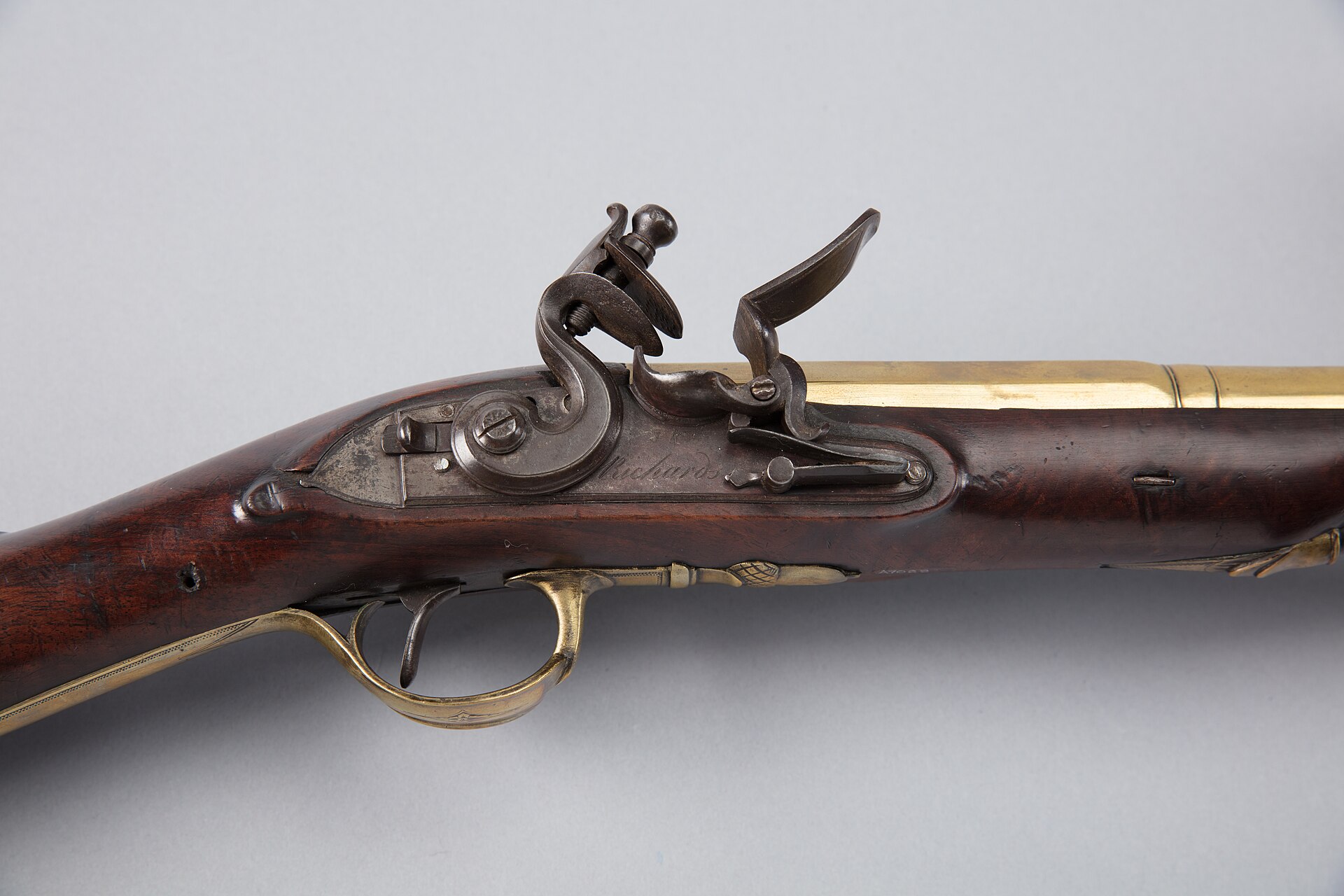
This is the volume that makes the gun a gun. Everything before it built and finished a firearm; this one loads and fires it. A muzzleloader is loaded one careful step at a time and every step has a safety reason behind it — this is not a place to improvise or hurry. Read your kit’s Traditions manual alongside this; where they differ, the manual governs your specific gun. And the first rule of the whole exercise: treat every muzzleloader as loaded until you have personally proven otherwise.
10.1 Before anything: confirm the gun is empty
You cannot see into a loaded muzzleloader, so you prove it empty every time:
- Point it in a safe direction. Run a dry patch down the bore and confirm it comes out clean and oil-free (leftover oil from cleaning will kill your first shot).
- Use the ramrod as a depth gauge. Drop it down the empty bore and mark where it stops at the muzzle — that’s your “empty” mark. If the rod ever stops short of it, there’s something in the bore. (This same mark, made again over a seated ball, is how you’ll verify loads — see below.)
- Clear the flash channel. On the percussion KR500, snap a cap or two on the nipple pointed at a leaf or the dirt — the puff moves it — to blow any oil out of the nipple channel. On the flintlock KR510, flash a pinch of priming in the pan, or run a vent pick through the touch hole, to clear it.
10.2 Loading, step by step
Do these in order, every time, with the muzzle pointed in a safe direction:
1. Measure the powder — in a separate measure, NEVER from the horn or can straight down the bore. This is the rule people die ignoring. A lingering ember in the bore from a previous shot can ignite powder as you pour it; if you’re pouring from the horn, the flame follows the stream back into the horn and it detonates in your hand. So always pour from the horn/can into a separate powder measure, then pour the measure into the bore. Measure your worked-up charge of 2F (50–80 gr to start; never over the manual’s 125 gr 2F).
2. Charge the bore. Pour the measured powder down the muzzle. Tap the buttstock on the ground once or twice to settle the powder to the breech.
3. Seat the projectile firmly on the powder — no air gap.
- Round ball: center a lubricated .015” patch over the muzzle, set a .530 ball on it, and start it with a short starter (short pin first, then the longer one). Then push it the rest of the way down with the ramrod in one firm, steady motion until it stops hard on the powder. You don’t have to pound it, but it must bottom out on the charge.
- Shot or buck-and-ball: ram an over-powder card wad onto the powder (add a cushion wad if you use one), pour the shot (or ball-and-buck), then seat a thin over-shot card to hold it in place.
Why “no air gap” matters: a projectile left short, with a gap of air between it and the powder, turns the barrel into a pipe bomb — the gap acts like an obstruction and the barrel can burst at that point when fired. Always seat the load fully on the powder. This is the single most important loading rule after “no smokeless.”
4. Mark the ramrod. With a correct charge and the ball fully seated, scribe or mark the ramrod where it meets the muzzle. From now on that mark tells you at a glance that the ball is fully down on the powder — and it warns you of the two dangerous mistakes: if the rod stands proud of the mark, the gun may be double-charged (already loaded, and you’re about to load it again); if it sinks past the mark, the bore is empty or the load isn’t seated. Check the mark every load.
5. Prime the ignition — always last, muzzle safe. Only after the gun is fully loaded do you cap or prime it:
- Percussion (KR500): bring the hammer to half-cock, and place a #11 or musket cap (whichever your nipple takes) on the nipple. That’s it.
- Flintlock (KR510): at half-cock, prime the pan about three-quarters full with 4F — don’t overfill, and don’t bank the powder against the vent (a heaped pan actually slows ignition). Then close the frizzen over the pan.
Priming last means the gun spends the whole loading process incapable of firing. Never cap or prime a muzzleloader and then load it.
10.3 Firing
- Point downrange, bring the hammer or cock to full cock, aim, and squeeze the trigger. Remember there are no sights — you’re pointing, not aiming precisely; a smoothbore with a shot load is a point-and-cover-the-target proposition.
- Expect the flintlock’s “lock time.” On the KR510 there’s a visible beat between the trigger break and the shot — flint scrapes frizzen, pan flashes, flash travels through the vent, main charge fires. Flint shooters learn to hold through it and not flinch at the pan flash. Keep bystanders off to the side and back: the pan throws a spray of sparks and smoke sideways.
- Wear eye and ear protection, every shot, and keep others clear of the muzzle and (for flint) the pan.
10.4 When it doesn’t fire: hangfires and misfires
Sooner or later a muzzleloader won’t go off when you pull the trigger. This is the moment the discipline matters most.
- KEEP THE MUZZLE POINTED DOWNRANGE AND WAIT. Do not lower the gun, do not look into the muzzle, do not go near the nipple or pan. What feels like a dud may be a hangfire — a delayed ignition that fires a second or more later. People are injured every year by treating a hangfire as a misfire and moving the gun.
- Wait at least 60 seconds (many shooters wait two minutes), muzzle downrange, before doing anything.
- After the wait, re-cap (percussion) or re-prime and pick the vent (flintlock) and try again — the most common cause is a fouled nipple channel or vent, or damp priming.
- If it still won’t fire, clear the load rather than leaving a charged gun: a CO₂ discharger blows the load out through the nipple/vent, or a ball puller on the ramrod extracts a stuck ball. Follow the manual. Never try to “shoot it out” by dumping more priming down a plugged vent, and never store the gun loaded.
10.5 Clean it the same day — black powder is corrosive
Black powder (and Pyrodex) fouling is corrosive and hygroscopic — its salt residues pull moisture out of the air and will rust and pit the bore within a day or two if left. So cleaning isn’t optional maintenance, it’s part of shooting:
- Clean the day you shoot, before you put the gun away.
- The classic method for a removable-breech muzzleloader is to flush the bore with hot water — hot water dissolves the salts, and the heat flash-dries the steel afterward. Scrub with a bore brush and run patches until they come out clean.
- Dry the bore thoroughly, then oil it and every metal surface. Wipe the lock, and on the flintlock clear the pan and vent.
- Because you left the bore bright (Volume 8), this same-day swab-and-oil is exactly what keeps it from rusting — the finish protects the outside, your cleaning protects the bore.
10.6 The rules that actually keep you safe
If you remember nothing else from this volume:
- Black powder or approved substitute only — never smokeless.
- Never load from the horn/can directly into the bore — always through a separate measure.
- Seat the projectile fully on the powder — no air gap — every time.
- Use the marked ramrod to confirm the bore is empty before loading and the ball fully seated after; never double-load.
- Prime or cap last, muzzle safe; keep the lock at half-cock until you’re ready to fire.
- On a misfire, keep it pointed downrange and wait — hangfires are real.
- Eye and ear protection; no smoking or open flame at the loading bench; know your backstop — a .54 ball carries well over half a mile and ricochets off hard ground and water.
- Clean it the same day.
Follow those, work your loads up from the bottom, and both the flintlock and the percussion blunderbuss are a genuine pleasure to shoot — loud, smoky, characterful, and exactly the close-range thunder-gun they were built to be. Enjoy the build, and enjoy the boom.
Comments (0)