FN P90 & PS90 · Volume 3
The Military P90 — Variants, Select-Fire Operation and Service
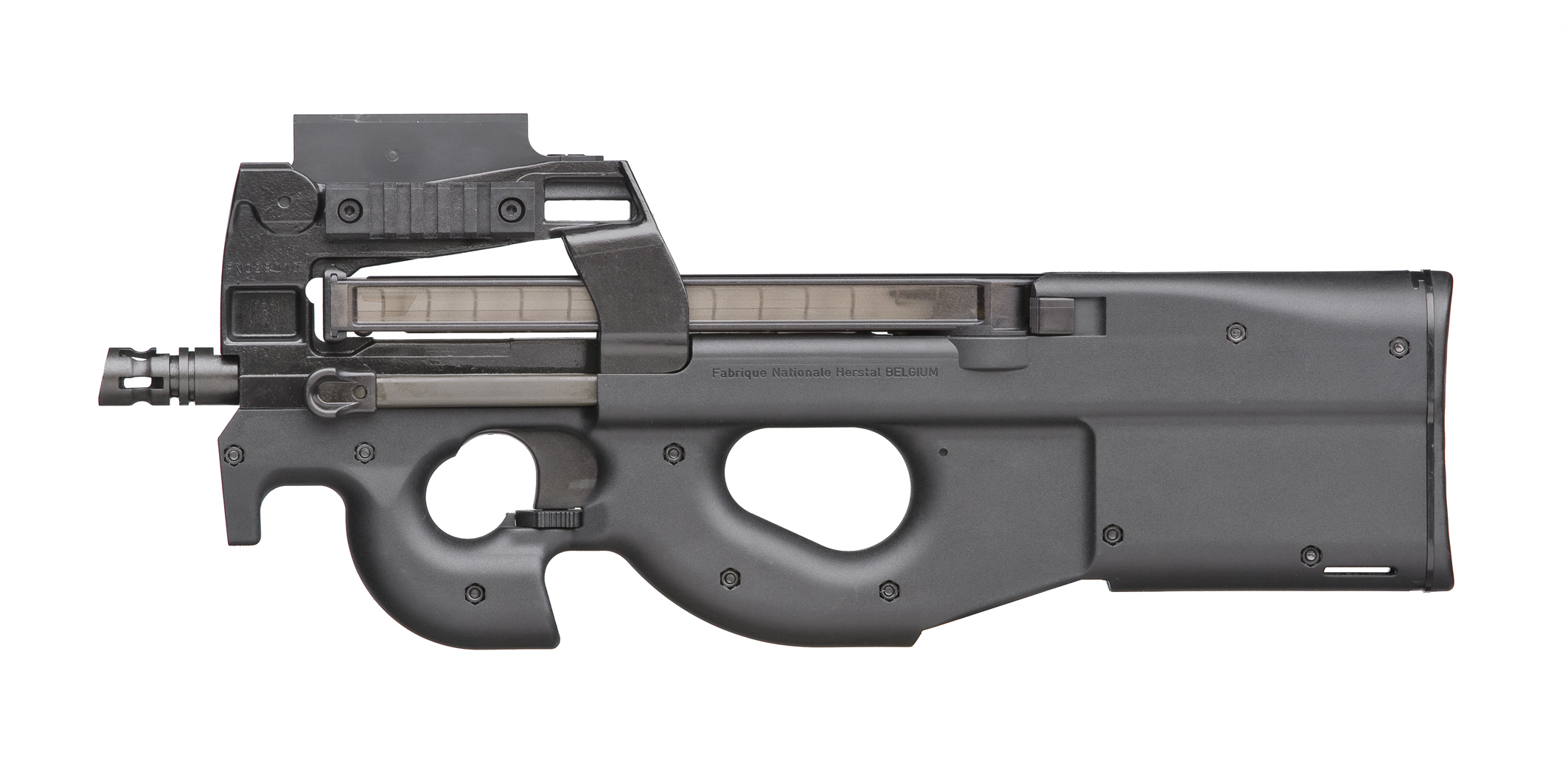
The military P90 is a narrower subject than its fame suggests. It is one weapon, in one calibre, that has been through a small number of configuration changes in thirty-five years, and it has been bought in modest quantities by a large number of countries. This volume sets out what the generations actually are, how select-fire operation works, what the optics are, and who bought them — with the unit counts where the record gives unit counts, because “in service with over 40 nations” conceals the fact that many of those nations bought a few dozen.
3.1 The Generations
There are three configurations that matter, plus two accessory-defined variants often listed as though they were separate models.1
3.1.1 P90 Standard
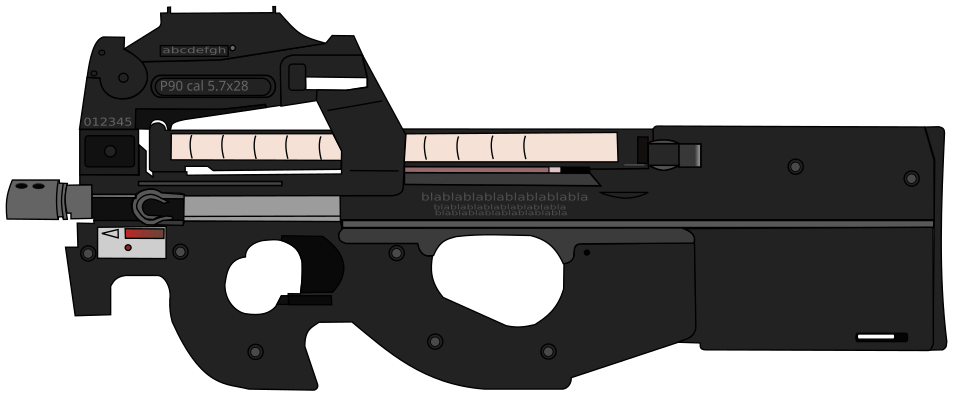
The original. Its defining feature is an integral optical sight in a housing moulded into the top of the shell. The sight is part of the weapon rather than a mounted accessory, which is a defensible decision for a weapon issued to people who are not shooters by trade — there is nothing to fit, zero, lose or fit wrongly — and an indefensible one a decade later, when everyone wanted to mount their own optic.
Two sights were fitted over the production life:
- The HC-14-62, a reflex sight whose reticle is collected from ambient light through a forward-facing fibre optic. The daytime reticle is a 180 MOA circle containing a 20 MOA circle and a 3.5 MOA centre dot; at night the reticle changes to an open “T” illuminated by tritium.
- The MC-10-80, in an anodised aluminium housing with a similar reticle. A later electronic version of the MC-10-80 adds a green illuminated reticle powered by a CR2032 cell with eight brightness settings.

3.1.2 P90 TR — “triple rail”
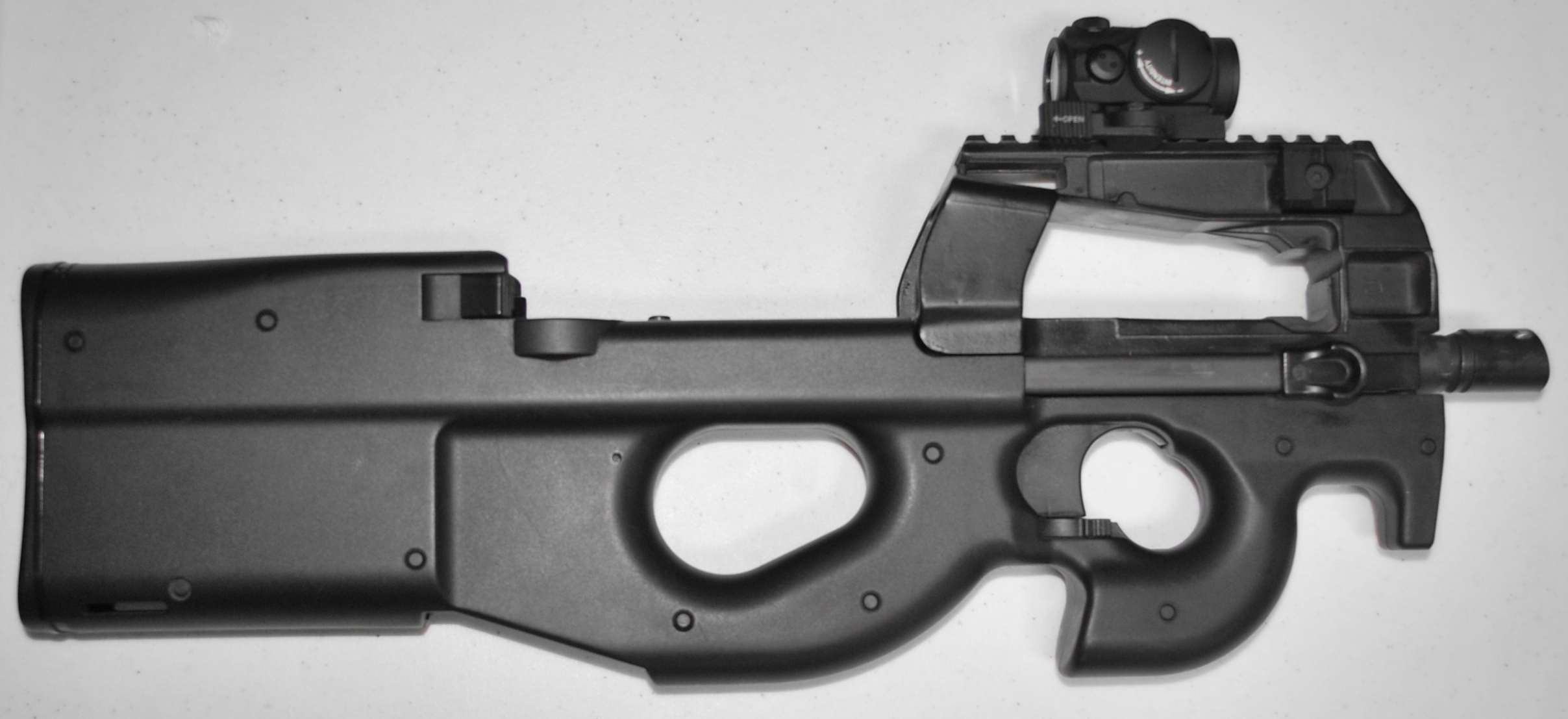
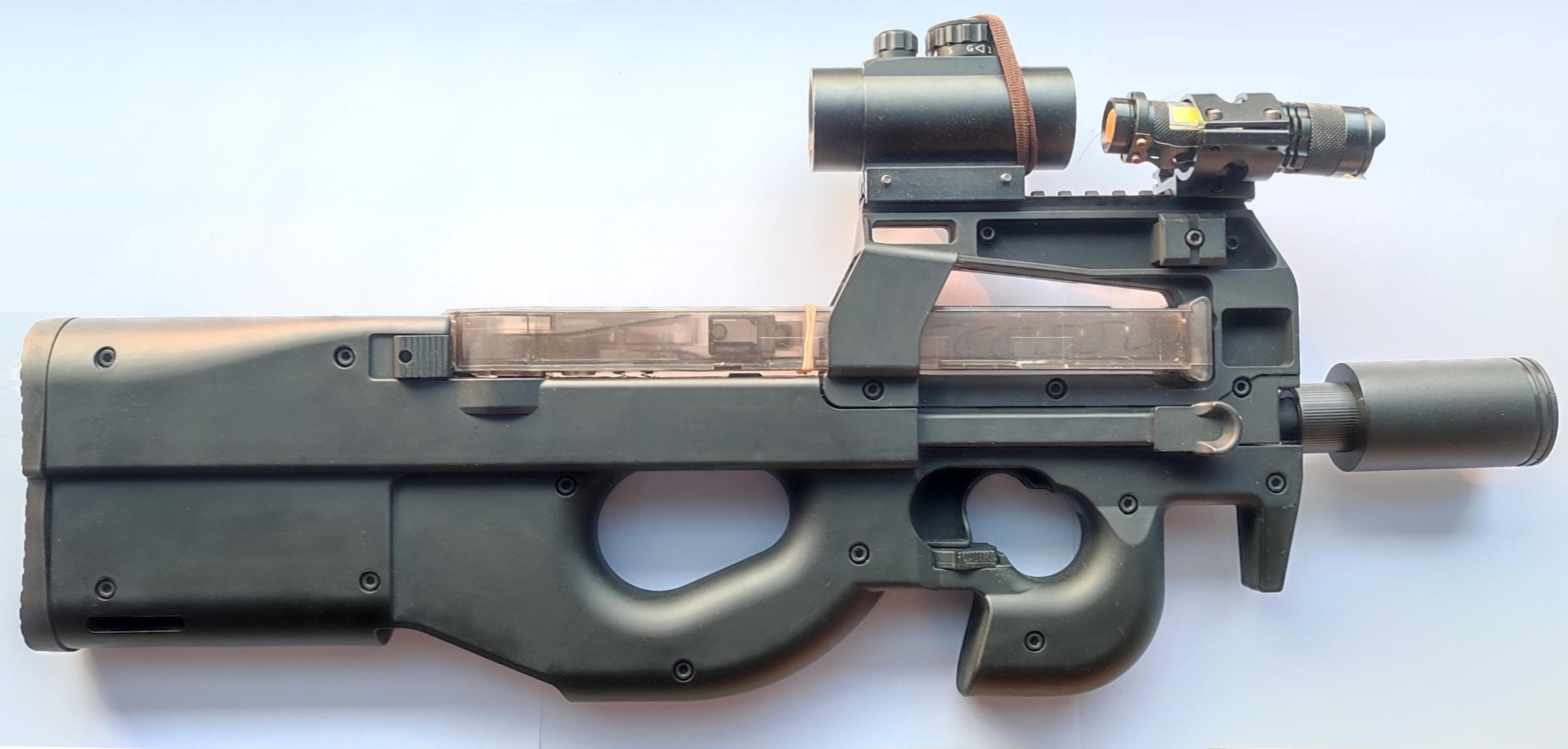
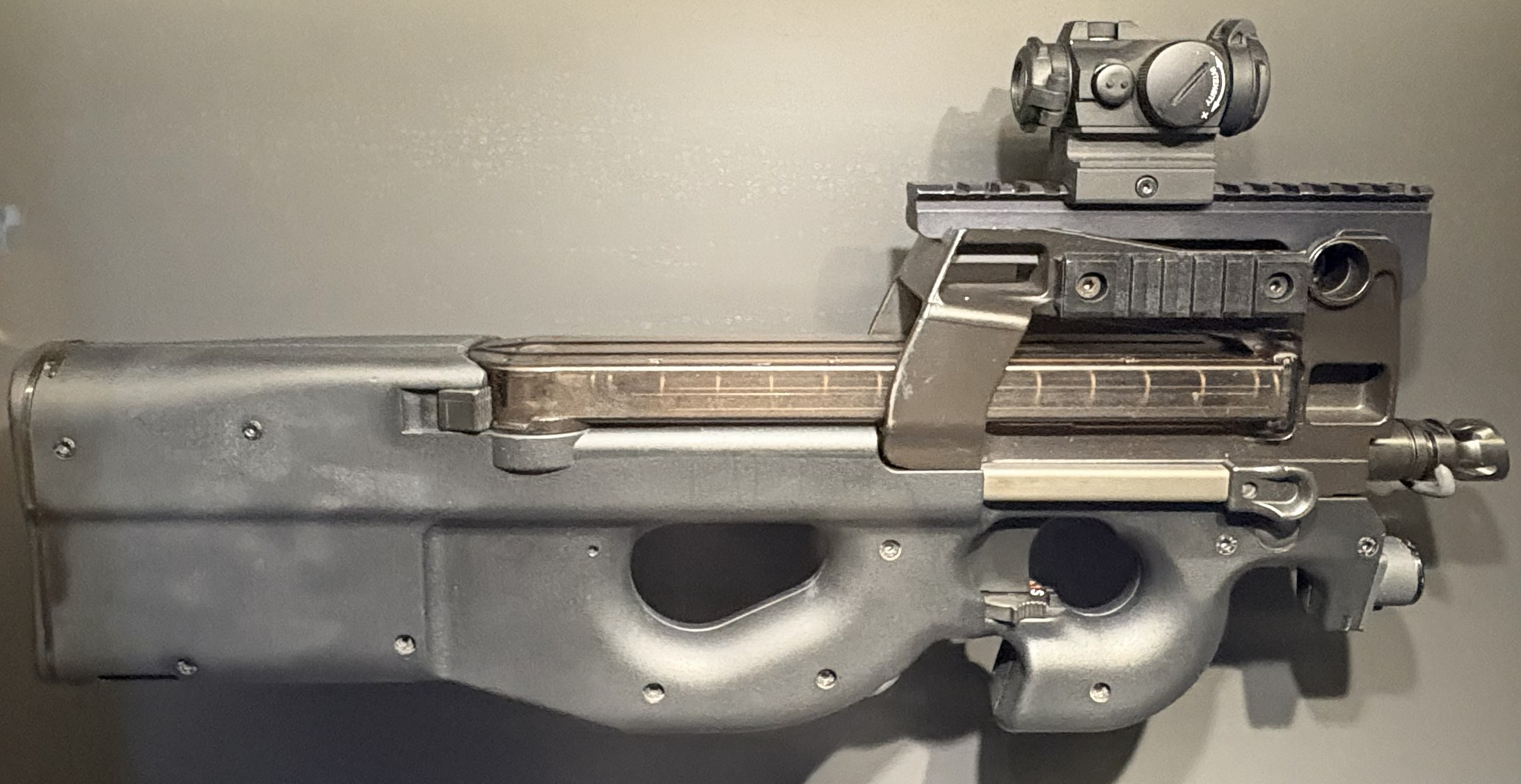
Introduced late 1999. The integral optical housing is replaced by a MIL-STD-1913 Picatinny rail on top with additional rails at the sides, and the fixed optic gives way to tritium iron sights. This is the configuration that made the weapon acceptable to customers who had standardised on their own optics, and it is the one most commonly seen in current service photographs.
3.1.3 P90 USG — “United States Government”
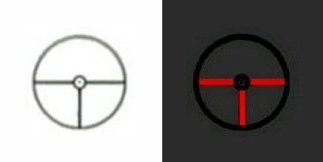
A variant with an aluminium reflex sight housing and a revised reticle: a black reticle with a small dot inside a small ring, joined by three tritium-illuminated posts.1
The introduction date of the USG could not be verified. The reference literature describes the variant without giving a year, and no FN document establishing the date was located during this work. It is not stated here, rather than estimated.
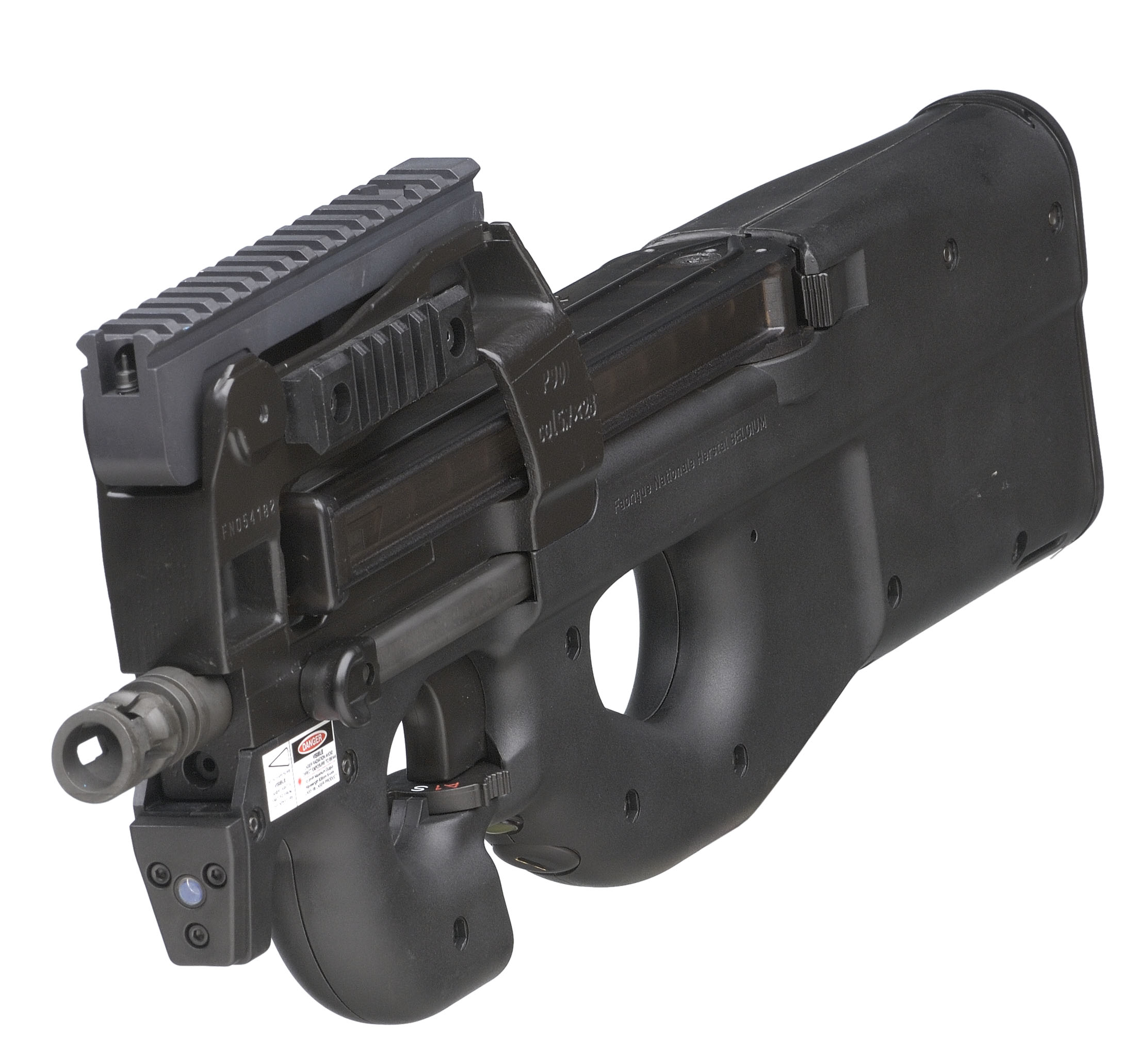
3.1.4 The LV and IR laser variants
Introduced late 1995, these are P90s carrying an integrated Laserex module: the P90 LV with an 8 mW visible laser, the P90 IR with a 4.5 mW infrared laser for use with night vision. The module weighs 131 g and its battery gives about 250 hours in training use or 50 hours in combat use.1
3.2 How Select-Fire Operation Works
The P90’s fire control is one of the design’s genuinely elegant pieces, and it is the feature the PS90 most conspicuously lacks.
The selector is a rotary dial set into the floor of the weapon at the foot of the trigger, operated by the trigger finger without moving the firing hand. It has three positions:1
- S — safe
- 1 — semi-automatic
- A — automatic
The interesting part is what happens on A. The trigger is two-stage: a partial press fires a single shot, and pressing through to the full rearward position fires automatically. The shooter selects between single shots and bursts with trigger finger pressure alone, without touching the selector, once the weapon is set to A.
This is a real capability and not a gimmick. On a weapon with a cyclic rate of 850 to 1,100 rounds per minute, a conventional selector makes automatic fire an all-or-nothing proposition; a two-stage trigger lets the same setting serve a deliberate shot at 50 m and a burst at 5 m. It is also the clearest illustration of why the semi-automatic conversion is not simply a matter of removing a part: the PS90’s trigger has to do one job where the P90’s does two.
The action itself is straight blowback firing from a closed bolt. There is no gas system and no locking mechanism; the bolt’s mass and the recoil spring do all the work, and the cartridge is mild enough in impulse for that to be adequate. Firing from a closed bolt — rather than from an open bolt as most submachine guns of the previous generation did — means the bolt is not slamming forward as the trigger breaks, which is worth a meaningful amount of practical accuracy.
FN quotes a barrel service life of 20,000 rounds.1
3.3 Optics, Accessories and the Brass Problem
Beyond the sights already described, the documented accessory set is small and practical:1
- Tactical lights and laser aiming devices, on the TR’s rails or in the integrated LV/IR modules.
- Slings, which matter more than usual on a weapon whose entire justification is that a non-infantryman will actually carry it.
- Case collector pouches, holding up to 100 cartridge cases.
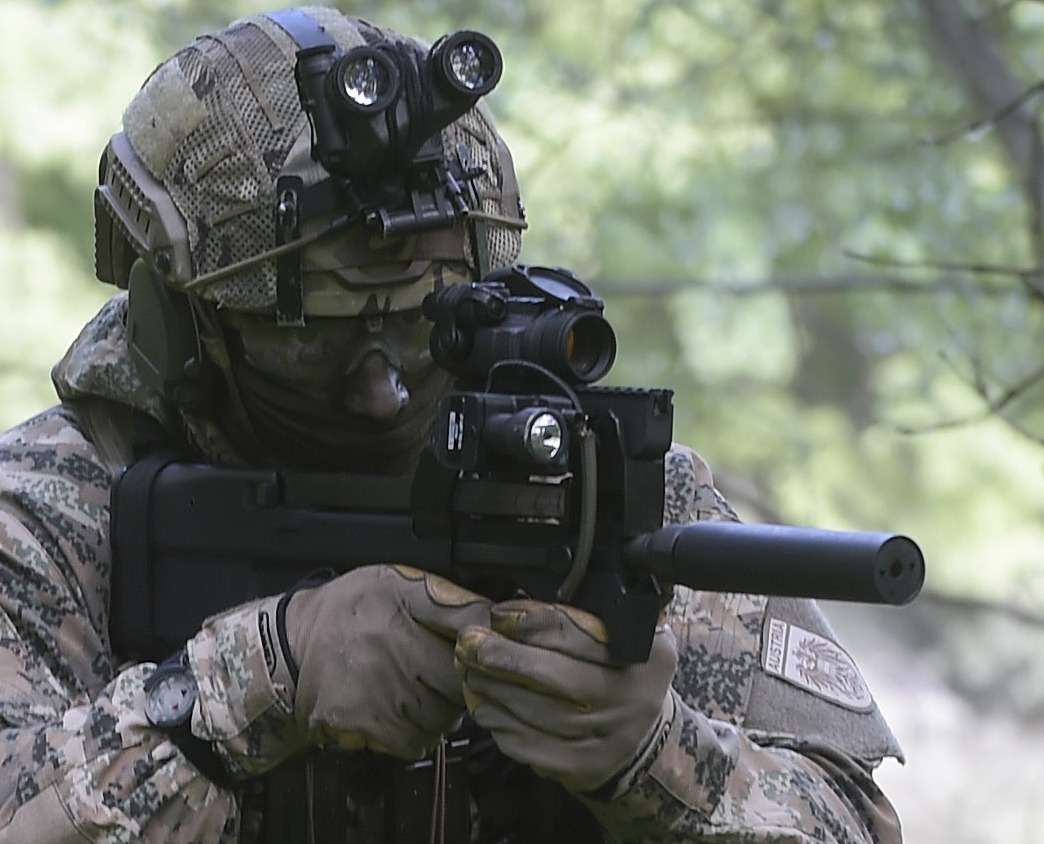
- Sound suppressors, of which the documented factory-adjacent option is the Gemtech SP90: stainless steel with a black oxide finish, 184 mm (7.2 in) long, 35 mm (1.4 in) in diameter, 680 g (1.50 lb). With subsonic ammunition, the reported reduction is 33 dB.1
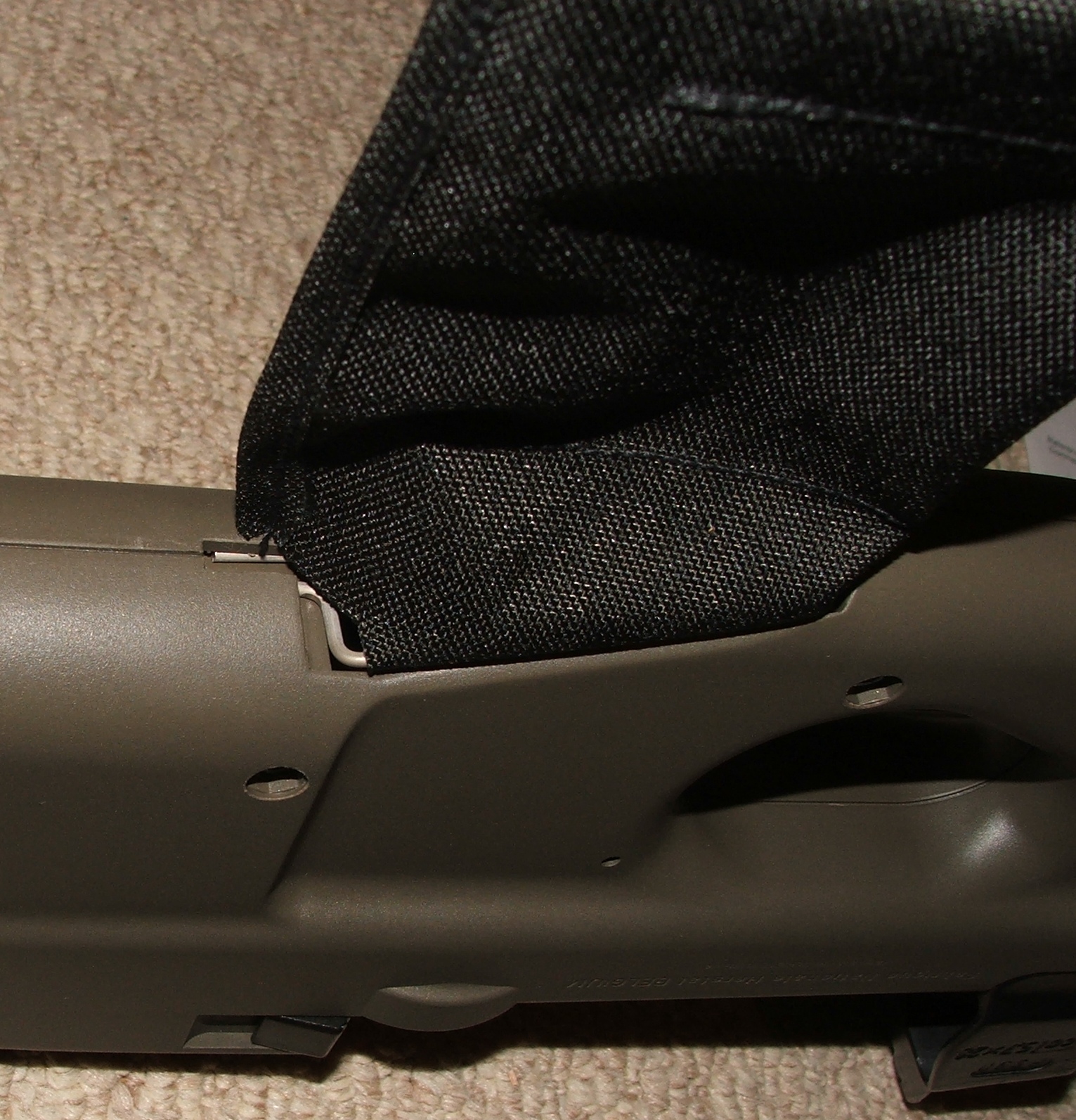
The case collector deserves a note because it points at a genuine characteristic of the design. Downward ejection solves the left-handed-shooter problem completely, but it drops hot brass directly beneath the weapon — onto the shooter’s own position, into a vehicle footwell, or onto the floor of an aircraft. For the crews and close-protection details this weapon was sold to, a bag that catches the brass is not an accessory, it is a requirement.
3.4 Who Actually Bought It
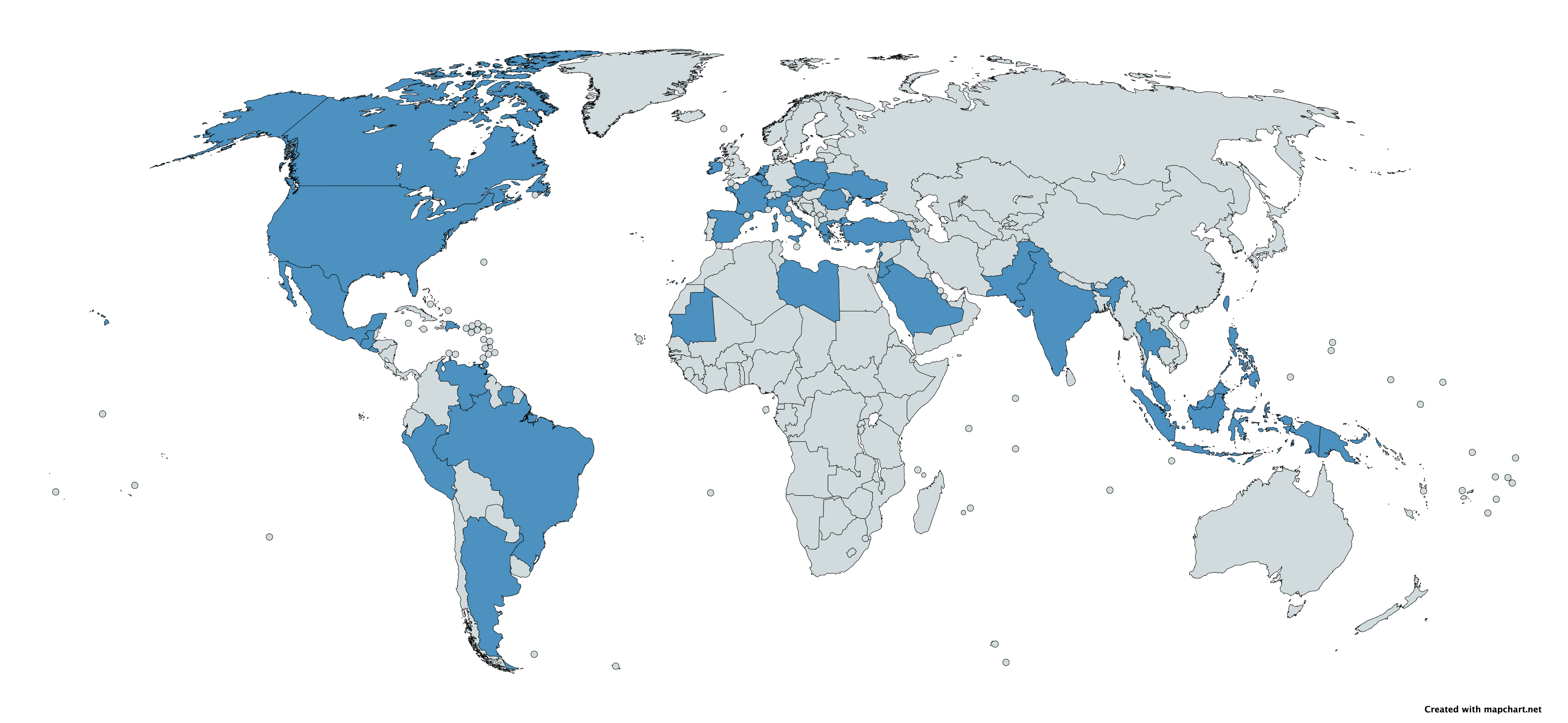
FN reports the P90 in service with military and police forces in more than 40 nations.1 The useful detail is in the pattern and the unit counts, because they show what kind of purchase this is.
Table 1 — 3.4 Who Actually Bought It
| Country | User | Detail |
|---|---|---|
| Austria | Jagdkommando | 140 units |
| Belgium | Army, Navy commandos, Federal Police DSU, former Gendarmerie | 114 units (Federal Police DSU) |
| Brazil | BOPE, Military Police of Rio de Janeiro State | |
| Canada | Joint Task Force 2 | from 2005 |
| Cyprus | National Guard special forces | 350 units, 2000 |
| France | GIGN, RAID, COS | |
| India | Special Protection Group, Special Group | from 2008 |
| Netherlands | Korps Commandotroepen, Dienst Speciale Interventies | 2000–2001 |
| Peru | Grupo de Fuerzas Especiales; Fuerza de Operaciones Especiales | 53 units (FOE) |
| United States | Secret Service; Federal Protective Service | Secret Service from the 1990s; FPS from 2001 |
Figures as reported in the reference literature.1
The shape of that table is the finding. These are purchases of tens to low hundreds of weapons by units that are counted in tens to low hundreds of people: counter-terrorist teams, close-protection details, special forces, and police tactical units. No army in the table adopted the P90 as a general-issue support weapon, which is exactly the outcome Volume 1 described — the requirement was real, the weapon met it, and the category never scaled.
3.4.1 The United States law-enforcement story
The American adoption record is worth separating because it is the one that put PS90s on dealers’ shelves.
The US Secret Service adopted the P90 in the 1990s and the Federal Protective Service from 2001.1 Houston Police Department SWAT was the first US law-enforcement adopter, taking 5 units in 1999, and was the first US agency to use the weapon in a shootout, in 2003.1 By 2009 the weapon was reported in use by over 200 US law-enforcement agencies.1
The most telling entry is a civilian-pattern one: in 2007 the police department of Addison, Texas, bought 52 PS90 TR carbines for patrol cars.1 That is a semi-automatic 16-inch-barrelled carbine being bought by a police department in preference to the select-fire version — the same calculation a civilian buyer makes in Volume 4, made by an agency that could have had either.
3.5 What Service Showed
Two operational data points appear repeatedly and both are worth stating precisely, because both are frequently overstated.
Operation Chavín de Huantar, Peru, 1997. P90s were used in the Peruvian special forces assault that ended the Japanese ambassador’s residence hostage crisis, against MRTA members reported to have been equipped with body armour.1 This is the most-cited real-world validation of the armour-penetration case. It is a genuine operational use; it is not a controlled test, and no published measurement of what the rounds did to what armour at what range was located.
The 2003 Houston shootout. The first US law-enforcement use in a gunfight.1 Again: an event, not a dataset.
Neither event supports a stronger claim than “the weapon was used in earnest and its users kept buying it.” The controlled data on terminal performance is the gelatin testing in Volume 2, and it concerns ammunition that no civilian can buy.
3.6 Reading a Photograph
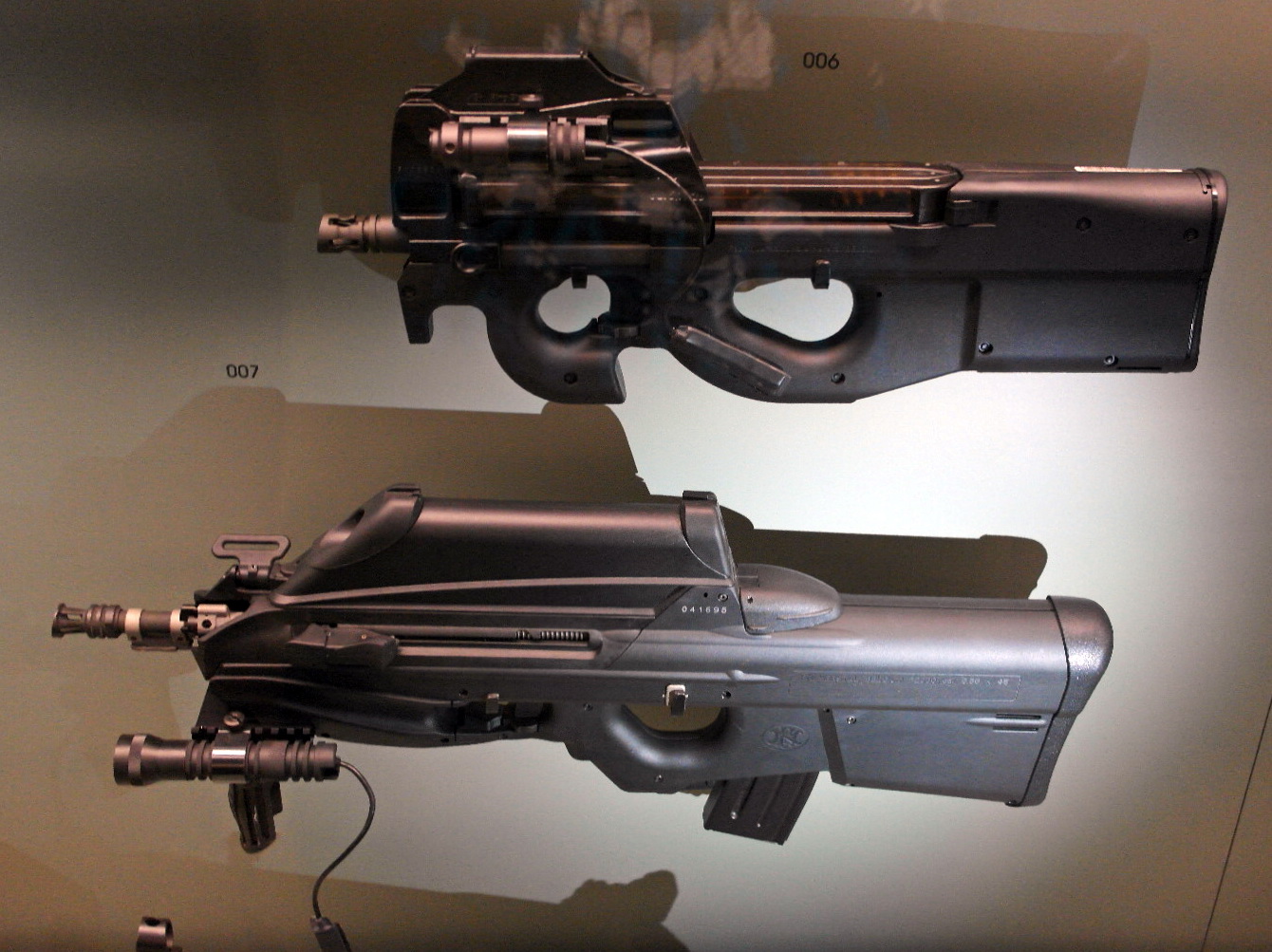
Because the P90 and PS90 are constantly confused in captions, and because this hub has previously shipped wrong-gun photographs, the identification rules used throughout these volumes are set out explicitly.
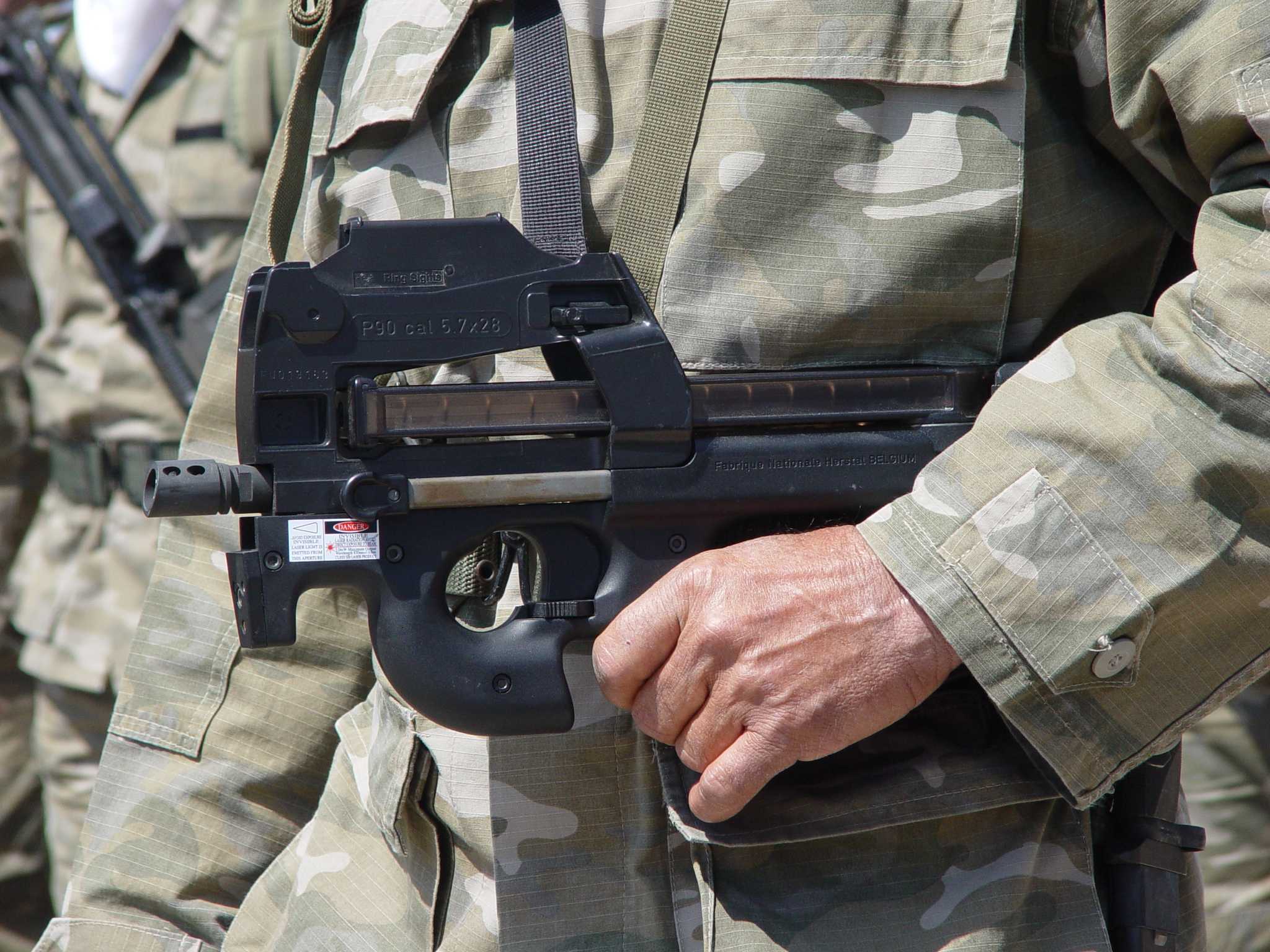
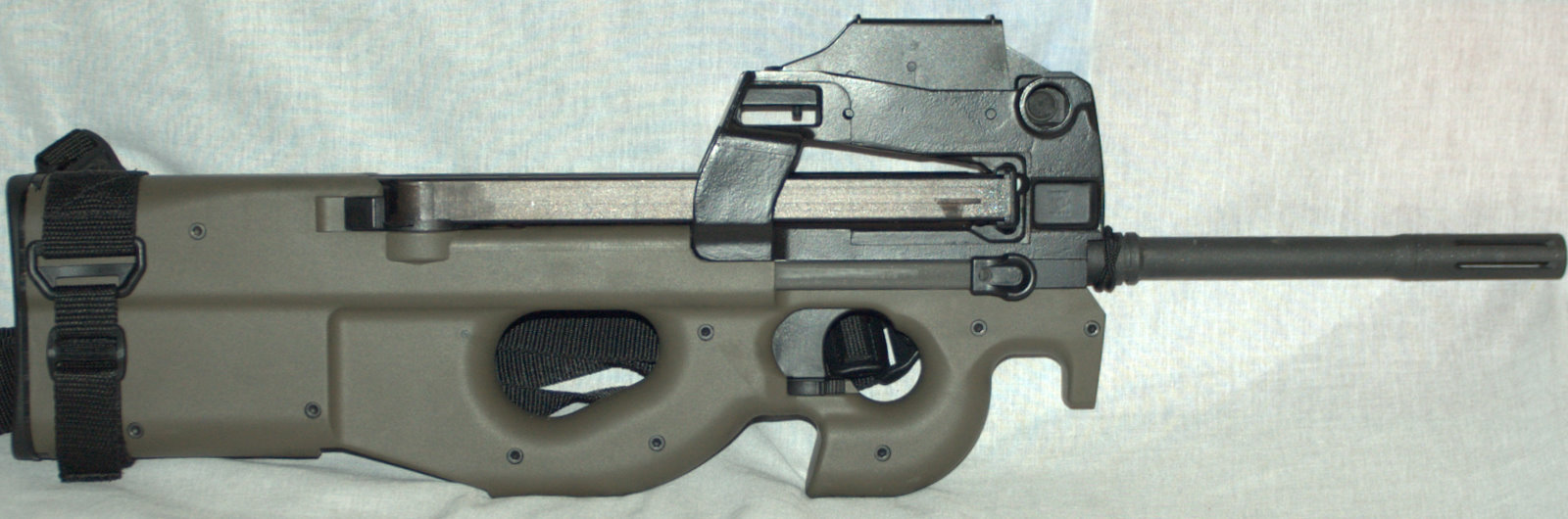
Barrel length is the primary tell. A P90’s barrel ends a short distance ahead of the hand stop — the weapon looks as though it has almost no barrel at all. A PS90’s 16.04-inch barrel protrudes conspicuously forward of the polymer shell. In any photograph showing the muzzle, this settles it immediately.
The muzzle device is the secondary tell. The current PS90 carries a ported muzzle brake at the end of its long barrel.
The selector is the definitive tell, when it is visible. A P90’s selector dial is marked S — 1 — A. A PS90’s is marked S — 1 and nothing else. Where a photograph shows the dial clearly, no other evidence is needed.
The sight housing indicates generation, not model. A moulded optical housing means a Standard or USG pattern; a Picatinny rail means a TR pattern. Both patterns exist in P90 and PS90 form, so the sight housing never distinguishes military from civilian on its own.
3.7 The Action, in Detail
The P90’s mechanism repays a closer look than it usually gets, because its simplicity is the reason the weapon works as well as it does.
Straight blowback means there is no locking system at all. The bolt is held forward by nothing but its own mass and the recoil spring. When the cartridge fires, chamber pressure acts on the case head and starts pushing the bolt rearward immediately; the bolt’s inertia is what keeps the case in the chamber long enough for pressure to fall to a safe level. There is no rotating lug, no tilting block, no delaying roller and no gas system. The parts count is correspondingly tiny and there is nothing to time, adjust or foul.
This is only possible because the cartridge is mild in impulse. A 5.7×28 launches a 27 to 40-grain projectile; the rearward momentum imparted to the bolt is small enough that a practical bolt mass can control it. The same approach applied to 5.56×45 would demand a bolt too heavy to carry, which is why rifle cartridges get gas systems and locked breeches.
Firing from a closed bolt is the other half of the design. The submachine guns the P90 was intended to replace almost all fired from an open bolt: the bolt is held to the rear, and pulling the trigger releases it to run forward, chamber a round and fire. That is mechanically simple and helps a hot barrel cool, but it moves a substantial mass forward at the instant of the shot, which shifts the muzzle. A closed-bolt weapon has already chambered its round; the trigger releases only a hammer. The practical gain in first-shot placement is real, and it is one of the specific ways the P90 is a generation beyond the MP5-era weapons it competed with.
What the layout costs mechanically. The trigger has to reach a mechanism behind the shooter’s hand, which is Volume 5’s subject and the design’s principal compromise. And the barrel is short, which caps velocity — the point Volume 2 quantifies.
3.8 Against the MP7
The P90’s only true peer is the weapon that beat it politically, and the comparison is worth setting out because it shows what the two firms concluded from the same requirement.
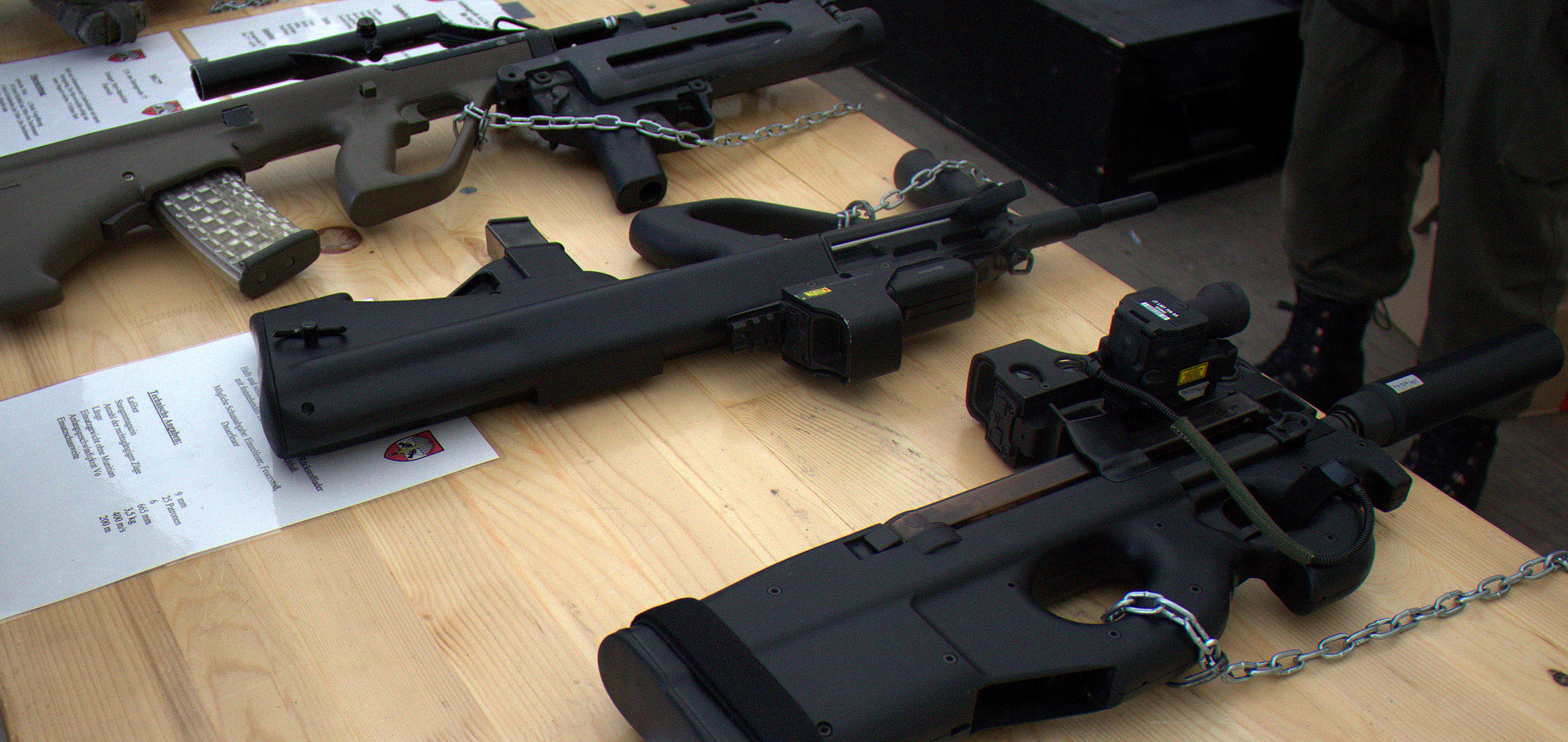
Heckler & Koch’s MP7 fires the 4.6×30mm from a 180 mm (7.1 in) barrel, weighs 2.10 kg with a magazine, and has a cyclic rate of about 950 rounds per minute.[^2] Against the P90’s 263 mm barrel, 2.6 kg and 850–1,100 rounds per minute, the MP7 is the smaller, lighter weapon with the shorter barrel — closer in size to a machine pistol, where the P90 is closer to a very short carbine.
The design philosophies diverge accordingly. The MP7 is a conventional layout scaled down, with a folding stock and a vertical magazine in the grip, and it can be fired one-handed like an oversized pistol. The P90 is a bullpup that commits fully to being a shoulder weapon and spends its size budget on barrel length and a 50-round magazine.
The trial outcome, from Volume 1, favoured FN’s cartridge — roughly 27 per cent more effective against unprotected targets, equivalent against protected ones, better across temperature extremes, and less erosive of barrels.[^3] The recommendation was rejected by the German delegation and others, and both cartridges were eventually standardised separately under STANAG 4509 and STANAG 4820.[^3]
What that episode actually demonstrates is not that one cartridge is better. It is that a NATO standardisation decision is a procurement-politics decision, and that a technical finding in favour of one competitor does not settle it. Both weapons remain in service with specialist units, both cartridges are standardised, and no NATO army issues either as a general support arm.
3.9 What Could Not Be Verified
- The introduction date of the P90 USG. Described in the literature without a year; no FN source located.
- Current production status of the individual variants. FN’s current catalogue presentation does not map cleanly onto the historical variant list, and no FN statement discontinuing or continuing specific P90 configurations was located.
- Unit counts not in the table above. The “more than 40 nations” figure is FN’s; the per-country counts given are those the reference literature attributes to specific sources. Countries listed without counts are listed without counts deliberately.
- Any independent testing of the Gemtech SP90’s 33 dB figure. The number is as reported and is a manufacturer-class claim.
Sources
Footnotes
-
“FN P90”, English Wikipedia, consulted 2026-09-17, for the variant descriptions and dates (P90 TR late 1999; P90 LV and IR late 1995 with Laserex module specifications; P90 USG reticle description; HC-14-62 and MC-10-80 sight specifications including reticle dimensions and the CR2032 electronic version), the fire-control description (S/1/A rotary selector, two-stage trigger behaviour on A), the cyclic rate of 850–1,100 rounds/min, the 20,000-round barrel service life, the accessory list including the Gemtech SP90 suppressor dimensions and the 33 dB figure with subsonic ammunition, the case collector capacity, the adoption table with unit counts and dates, the Houston Police SWAT adoption in 1999 and 2003 shootout, the 200-plus US agencies by 2009, the Addison, Texas purchase of 52 PS90 TR in 2007, and the 1997 Operation Chavín de Huantar use. Specifications reported there are FN Herstal’s published figures. ↩ ↩2 ↩3 ↩4 ↩5 ↩6 ↩7 ↩8 ↩9 ↩10 ↩11 ↩12 ↩13 ↩14 ↩15
Comments (0)